





Table of Contents
Quick Summary
- When planning a home, selecting the right roof is key to comfort and durability.
- Roofing materials for Indian homes must handle extreme heat and heavy monsoons.
- Corrugated cement roofing sheets are known for strength and weather resistance.
- Their design allows efficient rainwater drainage and reduces leakage risks.
- Fibre cement materials help limit heat transfer and keep interiors cooler.
- Advanced options improve thermal insulation and reflect sunlight.
- Proper installation ensures better performance and long life.
- These roofing solutions offer reliability with minimal maintenance over time.
The roof is one of the most important structural elements of a home, as it protects interiors from heat, rain and changing environmental conditions. In India, where temperatures can rise significantly during summers and monsoons bring heavy rainfall, selecting the right roofing material is essential for long-term performance.
For homeowners, the choice of roofing directly impacts indoor comfort, durability and maintenance requirements. Materials that can withstand both thermal stress and moisture exposure are better suited for residential construction in such conditions.
Did you know? The shape and profile of a roofing sheet can influence how effectively rainwater drains off, reducing the chances of water accumulation and leakage.
Understanding how different roofing materials perform can help in choosing a solution that balances durability and comfort.
Why Corrugated Cement Roofing Sheets are Widely Used
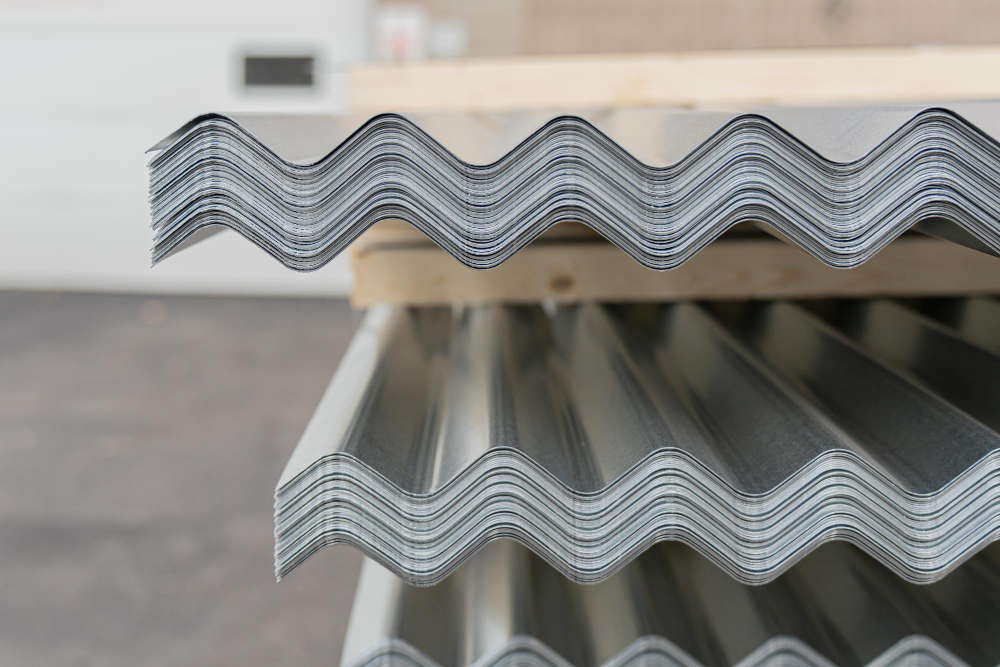
Corrugated cement roofing sheets are commonly used in residential and semi-urban housing due to their strength and weather resistance. The corrugated design, with its wave-like pattern, improves the sheet’s ability to handle load and enhances water drainage.
These sheets are designed to withstand continuous exposure to sunlight and rainfall without significant deterioration. Their structure also allows them to perform reliably in areas with fluctuating weather conditions.
In many roofing applications, solutions such as Charminar BirlaNu Roofs are incorporated as part of systems that prioritise durability and consistent performance.
Performance in Heat and Weather Exposure
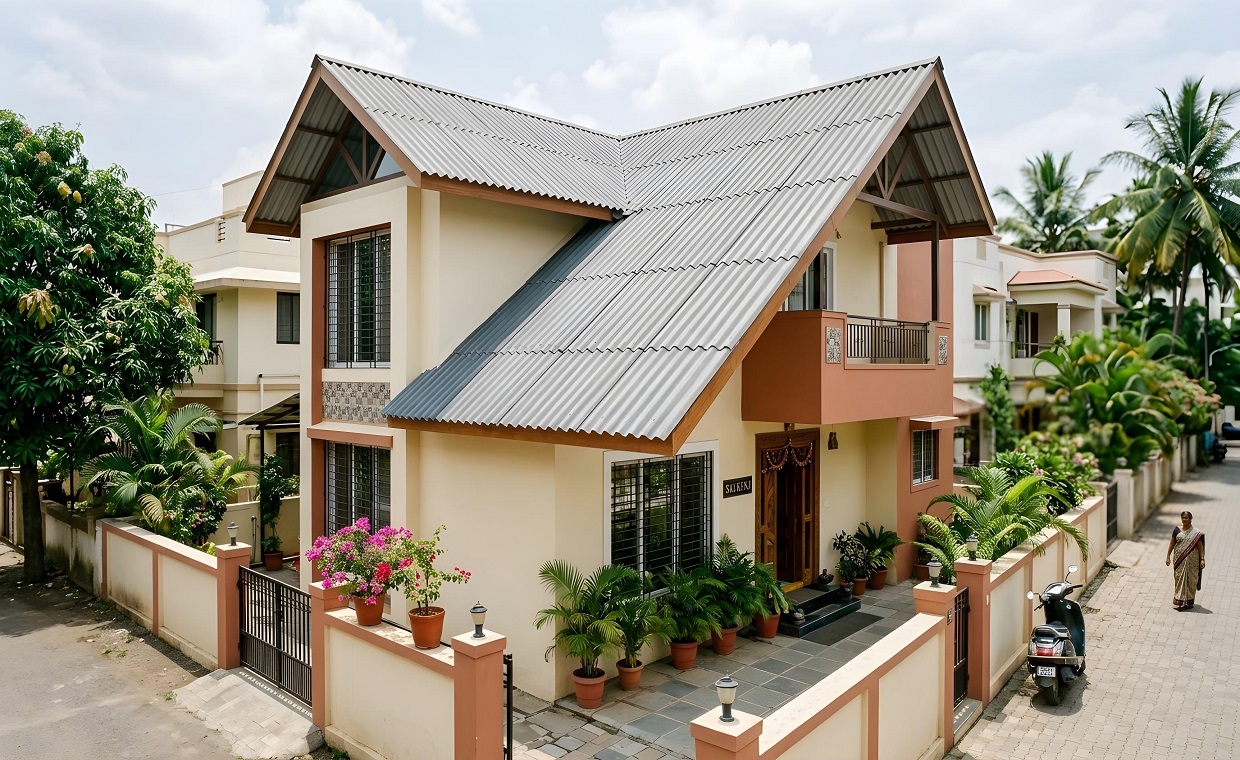
Courtesy: AI Generated
One of the key advantages of corrugated cement roofing sheets is their ability to perform under high temperatures. Unlike materials that quickly absorb and transfer heat, fibre-based cement sheets help limit heat transfer into the building.
Advanced solutions such as Ultracool fibre cement roofs further enhance this with high solar reflectance, helping reduce heat absorption and lower indoor temperatures by up to 8°C*.
This results in a cooler indoor environment during peak summer months, while maintaining structural stability under prolonged sun exposure. Roofing solutions are designed to address such climatic challenges, ensuring consistent performance across regions.
Effective Water Drainage and Leakage Control
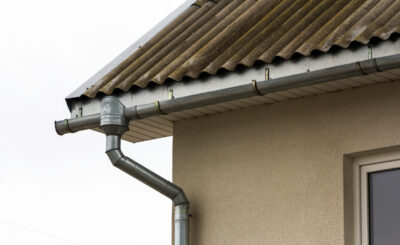
Heavy rainfall can lead to water accumulation and seepage if the roofing system is not properly designed. Corrugated cement sheets help address this through their profile, which allows rainwater to flow off the surface efficiently.
For optimal performance, these sheets should ideally be installed at a minimum slope of around 10–15 degrees (or as per project requirements). This angle ensures faster water runoff, reduces the chances of pooling, and enhances overall drainage efficiency.
When combined with proper installation practices – such as correct overlapping, ridge fittings and sealing – these sheets can significantly minimise the risk of leakage.
In many residential and semi-industrial setups, systems that include Charminar BirlaNu Roofs are widely preferred for their engineered design, consistent quality and suitability for Indian monsoon conditions. With a focus on durability and precision, roofing solutions support reliable water management while maintaining long-term structural integrity.
Strength and Long-Term Durability
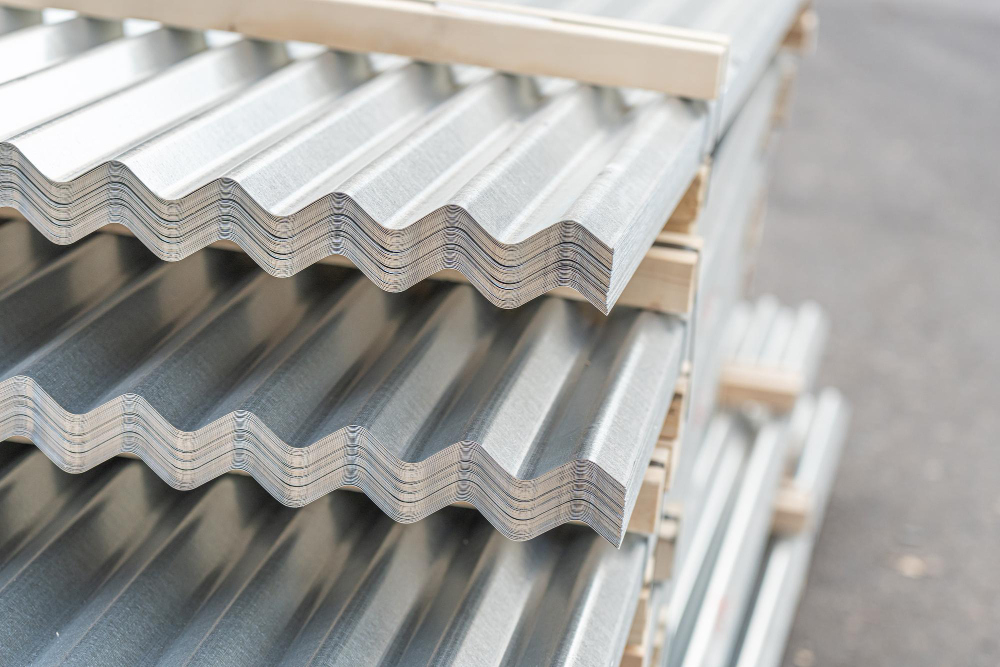
Durability is a key consideration for homeowners looking to avoid frequent repairs or replacements. Corrugated cement roofing sheets are engineered using a high-strength blend of cement and reinforcing fibres, which enhances structural integrity and enables them to withstand long-term environmental stress.
They are designed to resist common issues such as warping, cracking and corrosion, while also offering protection against UV exposure, moisture and harsh weather conditions. This ensures consistent performance across diverse climates, making them suitable for residential, commercial and industrial applications.
In this context, Charminar BirlaNu Roofs stand out for their engineered durability and advanced protection features – including fire resistance, corrosion resistance and thermal insulation. Built to perform reliably over decades with minimal maintenance, they are widely used in projects where long-term performance and structural stability are critical.
Importance of Proper Installation
The performance of any roofing material depends not only on its properties but also on how it is installed. Improper fixing or misalignment can lead to gaps, leakage or reduced durability.
Using appropriate fasteners, correct overlap and proper alignment is essential for optimal performance. Specialised components from Charminar BirlaNu Tools & Accessories, such as precision-engineered J-bolts, L-bolts and EPDM sealing washers, are designed to create secure joints and prevent water ingress at fixing points.
Conclusion
Selecting the right roofing material is essential for ensuring protection, comfort and durability in Indian homes. Corrugated cement roofing sheets offer a practical solution due to their strength, weather resistance and ability to manage heat and rainfall effectively.
When combined with proper installation practices, these materials can help create a reliable roofing system that performs consistently over time. Solutions such as Charminar BirlaNu Roofs, along with compatible accessories, are often used in such systems to support durability and overall performance without adding complexity.
Learn more about roofing tools and accessories at BirlaNu.
Also Read: Emergency Roof Tarping Service to Protect Your Home from Damage
FAQs – Roofing Materials for Indian Homes
1. What are the best roofing materials for Indian homes?
Materials like corrugated cement sheets and fibre cement roofing are widely used due to their durability and weather resistance.
2. How do roofing materials handle Indian weather conditions?
They are designed to withstand high temperatures, heavy rainfall and humidity without losing performance.
3. Do roofing materials affect indoor temperature?
Yes, certain materials like fibre cement help reduce heat transfer and improve indoor comfort.
4. Why is proper installation important for roofing?
Correct installation prevents leakage, improves durability and ensures better performance over time.
5. Are cement roofing sheets long lasting?
Yes, they are highly durable, resistant to cracking and corrosion, and require minimal maintenance.
Author & Expert Review
Written By:  Gaurav Mishra | Civil Engineer & Content Writer

| Credentials: B.E. (Mahavir Swami College, Surat), Registered with Bhagwan Mahavir University (BMU). Experience: Civil Engineer with 5+ years of content writing experience, currently writing impactful articles for Gharpedia, part of SDCPL. Expertise: Specializes in writing well-researched content on residential construction, construction materials, design planning, on-site practices, and safety, blending technical accuracy with everyday clarity. Find him on: LinkedIn |
Verified By Expert: Ravin Desai – Co Founder – Gharpedia | Co Founder – 1 MNT | Director – SDCPL

This article has been reviewed for technical accuracy by Ravin Desai, Co-Founder of Gharpedia and Director at Sthapati Designers & Consultants Pvt. Ltd. With a B.Tech. in Civil Engineering from VNIT Nagpur and an M.S. in Civil Engineering from Clemson University, USA, and over a decade of international and Indian experience in the construction and design consultancy sector, he ensures all technical content aligns with industry standards and best practices.
Find him on: LinkedIn