Table of Contents
Quick Overview
Here is the quick summary of seasonal home maintenance:
- Seasonal home maintenance prevents small issues from becoming costly repairs.
- Spring focuses on repairing winter damage and restoring system efficiency.
- Summer maintenance manages heat, energy use, and exterior wear.
- Fall prepares heating systems and plumbing for freezing temperatures.
- Winter monitoring prevents emergencies like frozen pipes and system failures.
- Proactive care protects property value, reduces insurance risks, and extends system lifespan.
Home ownership is among the biggest financial obligations that most individuals are bound to make in their lives. That investment can only be safeguarded by more than just fixing the problems that are evident when they occur; it will need continuous, systematic care through the seasons. Each season has specific environmental stressors that are freeze temperatures, precipitation driven by movement, extreme UV radiation, falling debris, changing humidity, and changing pressure patterns. These elements of nature gradually erode roofing materials, siding, undercarriage, mechanical systems, and interior finishes over a period of time. Little wear and tear may silently develop into costly structural failures without a proactive approach.
Preventive protection is given by seasonal maintenance. Homeowners who maintain a systematic annual plan notice the warning signs of water damage by water before it progresses to the next stage of staining ceilings or warping floors instead of waiting until the time the damage has occurred. Minor time-saving measures, such as gutter cleaning, joint sealing, foundation checking, air conditioning service, etc., increase the time of larger systems. Once maintenance has evolved into a daily practice as opposed to a last-minute response, then the house will be structurally stable, energy efficient, and financially insured.
Spring: Repairing Winter Damage and Restoring Efficiency
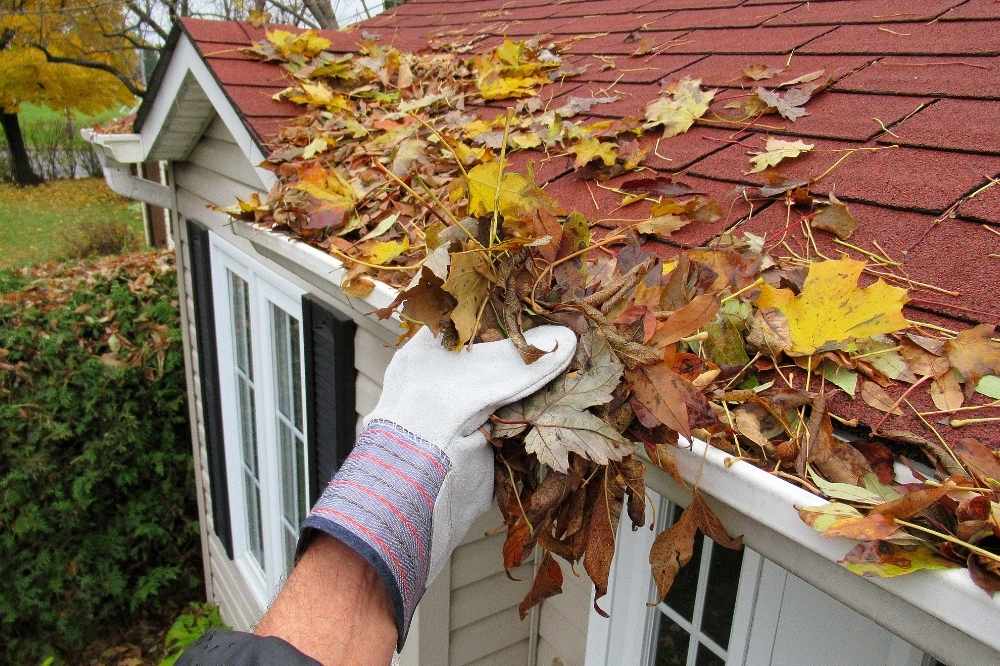
Winter leaves behind some faint destruction that does not seem at face value. The buildup of ice, snow, and freeze-thaw hours usually loose shingles, masonry, and strain plumbing. The season of spring is the season of recuperation and inspection. The lifted flashing or missing shingles should be checked on roofing and the intrusion of moisture should be checked on the siding. Gutters have to be cleared to make sure that rain water does not stagnate around structural walls.
It is also the season of spring when it is best to check your water heating system. Numerous insurance studies indicate that a significant increase in failure is experienced after approximately about five years particularly when maintenance has been intermittent. The accumulation of sediments decreases heating effectiveness and puts internal parts under a heavy load. When a flush is done, the deposits of minerals are, in most occasions, removed, and the efficiency is restored; weight wear is also avoided. By servicing these systems at the beginning of the year you will be sure that your home will be working well as the seasonal water consumption rises.
Summer: Managing Heat, Energy, and Outdoor Wear
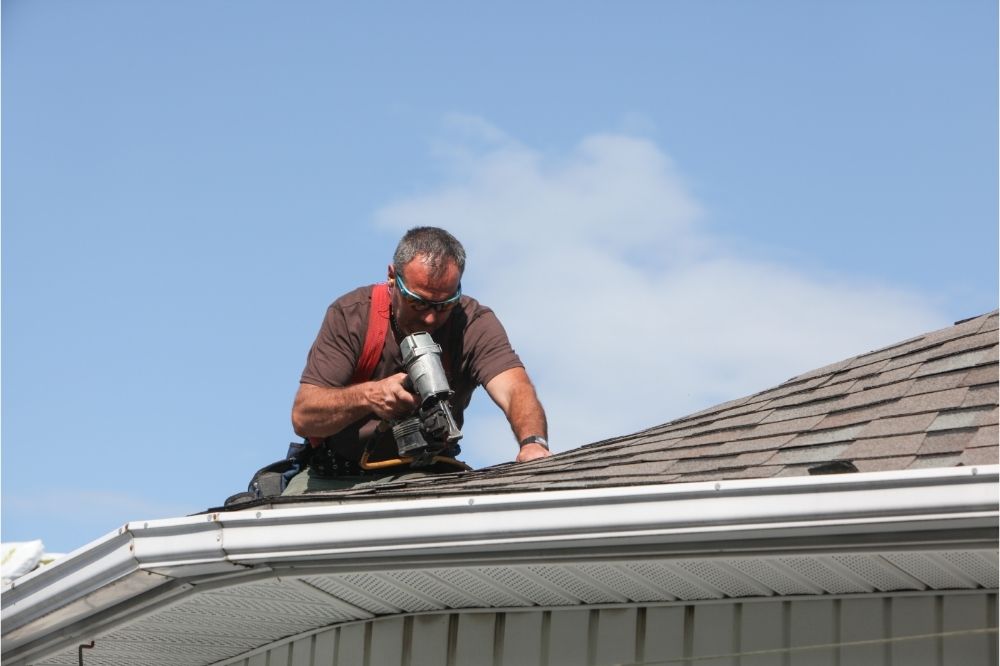
Summer is characterized by long sun rays, heavy rain, and high cooling needs. Roofs increase in size during heat and attics with little ventilation trap hot air which causes material to deteriorate faster. Checking the insulation and air movement in the attic assists in controlling the temperature and eliminates the pressure on the cooling systems. Even minor cracks on exterior trim or siding must be patched before summer rains use it and cause the leaking in of moisture.
Hot months are usually the months when energy consumption is high. Water heating is one of the largest energy expenses in most of these homes along with air conditioning. Performance control in summer also aids in identifying inefficiency at an early stage. Cleaned, tuned and periodically inspected systems will be more likely to stay energy-efficient even in high demand seasons. Summer preventative maintenance will help relieve operational pressure, increase the system life and preclude expensive failures at a time when technicians are most needed.
Fall: Preparing for Freezing Temperatures and Increased Demand
Autumn is a season of preparation. With the drop in temperature, heating systems should be checked and serviced especially to have safe winter operation. The replacement of filters, inspection of burners, testing of thermostats, and venting systems will minimize the chances of failures during mid-winter. Minor preventive measures such as making fall prevention calls during the coldest weeks of the year help to avoid emergency calls.
Water heaters are also under further pressure with the fall in temperature. Most manufacturers suggest that it is best to have the periodic flushing done before winter to ensure the same is maintained in performance and to ensure that the sediment does not solidify inside the tank. Draining irrigation systems, clearing outdoor faucets and sealing up windows and doors also help to reduce the possibility of frozen pipes and heat loss. Fall preparation is not about apparent gains, it is more about securing internal systems in advance of an extreme situation.
Winter: Monitoring Performance and Preventing Emergencies
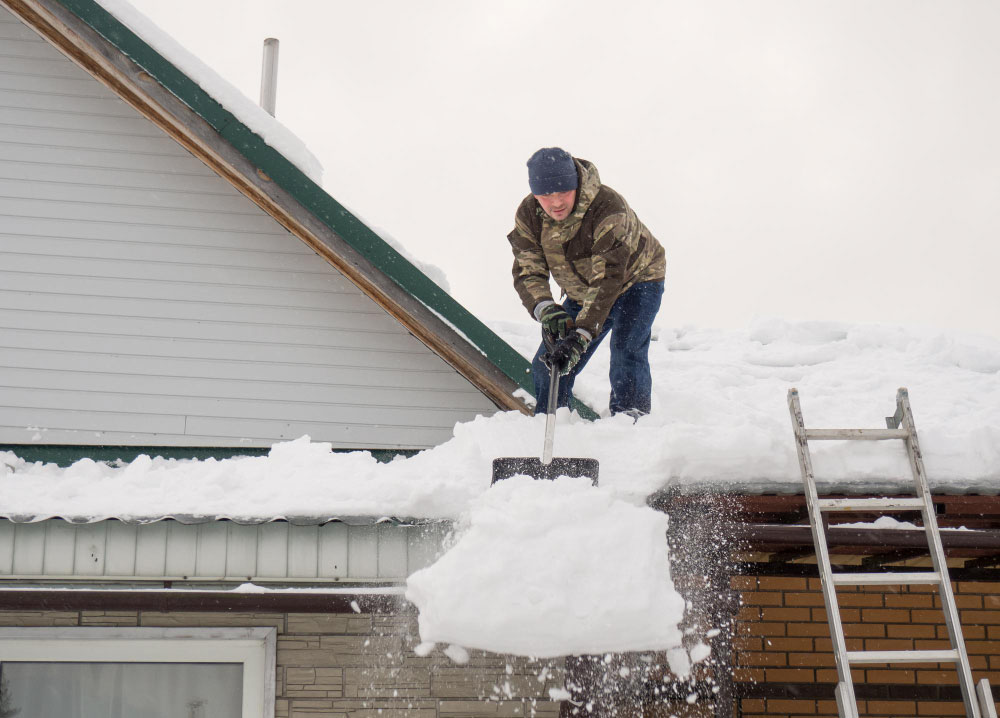
Whereas exterior projects on a large scale can be held during winter, it is necessary to monitor them. The weight of the snow taken on the roofs should be monitored particularly on the roofs that are old. The humidity within the interior should be in balance to avoid condensation that may damage the drywall and insulation without making a sound. Exposed pipes in unheated areas are insulated to minimize the threat of freezing and broken pipelines.
Another time to have regular water heater maintenance is during winter when it has not been done. Cold months demand more heating elements and tanks. Regular checks are made to the valves, thermostats and safety parts. Minor preventative actions in winter minimize chances of unexpected system failure in situations whereby replacement scheduling becomes an immediate, expensive necessity.
Long-Term Financial and Structural Benefits of Seasonal Care
Home maintenance will provide quantifiable financial benefits in the long term. It is much more expensive to replace a whole roof because of negligence in flashing, than it would be to repair a tiny area in the early stages. Negligence over trivial leaks usually makes a structural decay that intensifies in the back of walls and flooring. Preventive maintenance maintains the curb appeal, helps property appraisal value, and assists in buyer confidence in case the resale is included in your long-term strategy.
Pipe breaks and building collapses are some of the common insurance claims, which are caused by negligence that can be avoided. One of the most common factors associated with the expensive repairs is burst tanks, corroded valves, and the presence of sediments. With a regular seasonal schedule, homeowners minimize unplanned breakdowns and extend mechanical systems. A serious-scheduling of maintenance turns yearly maintenance into a strategic investment plan, a plan which safeguards capital, saves long run costs in addition to providing comfort with the passing of the years.
Conclusion
Seasonal house repairs are not a reaction to the apparent issues; they are a way of stopping them before they can interfere with your comfort or your wallet. Every season comes in with environmental forces which gradually influence the workings of roofing, plumbing, insulation, and mechanical systems. When the homeowners match the inspections, and maintenance operations with the demands of the season, they establish an ongoing protection cycle which protects the structure and the value.
Securing your house is securing your investment. By a well-timed check-up, servicing of the system, and preventive maintenance, you lower risks of emergency, minimize equipment life, and save energy. In the long run, such a proactive attitude will mean that your asset is secure, dependable and financially stable regardless of the season.
Also Read: Home Maintenance Checklist: To-Do Guide to Keep Your Home Up to Date
FAQs on Seasonal Home Maintenance Tips
01. What Happens If You Skip Seasonal Maintenance?
Small problems like leaks or loose shingles can turn into major structural damage, higher energy bills, or emergency repairs.
02. Which Season is Most Important for Maintenance?
All seasons matter. Each brings unique environmental stress; winter freezing, summer heat, spring moisture, and fall temperature drops.
03. Does Seasonal Maintenance Increase Home Value?
Yes. Well-maintained homes retain higher property value, improve buyer confidence, and reduce insurance risks.
Author & Expert Review
Written By:  Kinjal Mistry | Civil Engineer & Senior Content Writer
| Credentials: B.E. (Dharmsinh Desai University, Nadiad, Gujarat). Experience: Civil Engineer with 9 years of content writing experience, currently writing impactful articles for Gharpedia, part of SDCPL. Expertise: Specializes in writing well-researched content on home improvement, sustainability, building materials, home interior, DIY, and plumbing technology with everyday clarity. Find her on: LinkedIn |
Verified By Expert:  Ravin Desai – Co Founder – Gharpedia | Co Founder – 1 MNT | Director – SDCPL
This article has been reviewed for technical accuracy by Ravin Desai, Co-Founder of Gharpedia and Director at Sthapati Designers & Consultants Pvt. Ltd. With a B.Tech. in Civil Engineering from VNIT Nagpur and an M.S. in Civil Engineering from Clemson University, USA, and over a decade of international and Indian experience in the construction and design consultancy sector, he ensures all technical content aligns with industry standards and best practices.
Find him on: LinkedIn