Table of Contents
Summary
- Selecting the right pest treatment method is the responsibility of pest control services.
- They carefully assess pest ingress, growth, and severity, and then finalise an effective pest treatment.
- This happens in the following six steps:
1. Identify the type of pest.
2. Determine the severity of the pest infestation.
3. Match the pest treatment to suit your property type.
4. Evaluate the people living in the property to ensure their safety.
5. Select the right pest treatment method.
6. Plan for long-term results.
- Budget pest treatments often fail due to incorrect ingredients, improper application techniques, or missed hidden inspections.
- Professional pest control follows a proper procedure to evaluate, analyse, and provide the best pest treatment solution for your home.
Pest infestation is one of the most common and damaging issues that occurs silently. Once pests find their way into your home, it becomes difficult to drive them out. However, with professional pest control companies, this issue can be effectively neutralised.
When you call a pest control company, you might assume they show up and spray the same chemicals everywhere. But that’s far from the truth. Professional pest control involves careful assessment, scientific knowledge, and strategic decision-making before any treatment begins. In this blog, Gharpedia explains how pest control companies decide which treatment to use. Understanding how experts choose the right approach can help you appreciate why quality service matters – and why cutting corners often leads to recurring infestations.
Step 1: Identifying What Pest They’re Dealing With
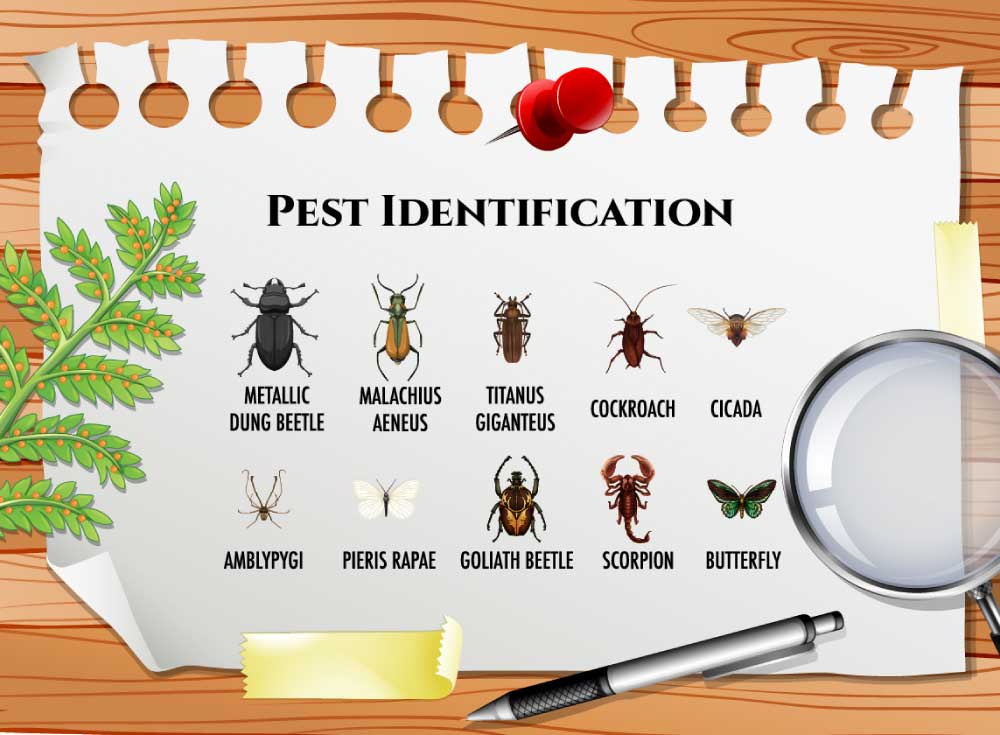
First and the foremost step is to identify the type of pest. Here, a technician accurately identifies the category and type of pest they are dealing with. This is because, a cockroach infestation requires a completely different approach than a termite colony or a rat problem.
Even though the pest category is same type of species matters. For example, German cockroaches behave differently than American cockroaches. Subterranean termites need different treatment than drywood termites. Not identifying the pest correctly may lead to ineffective treatment and a waste of money.
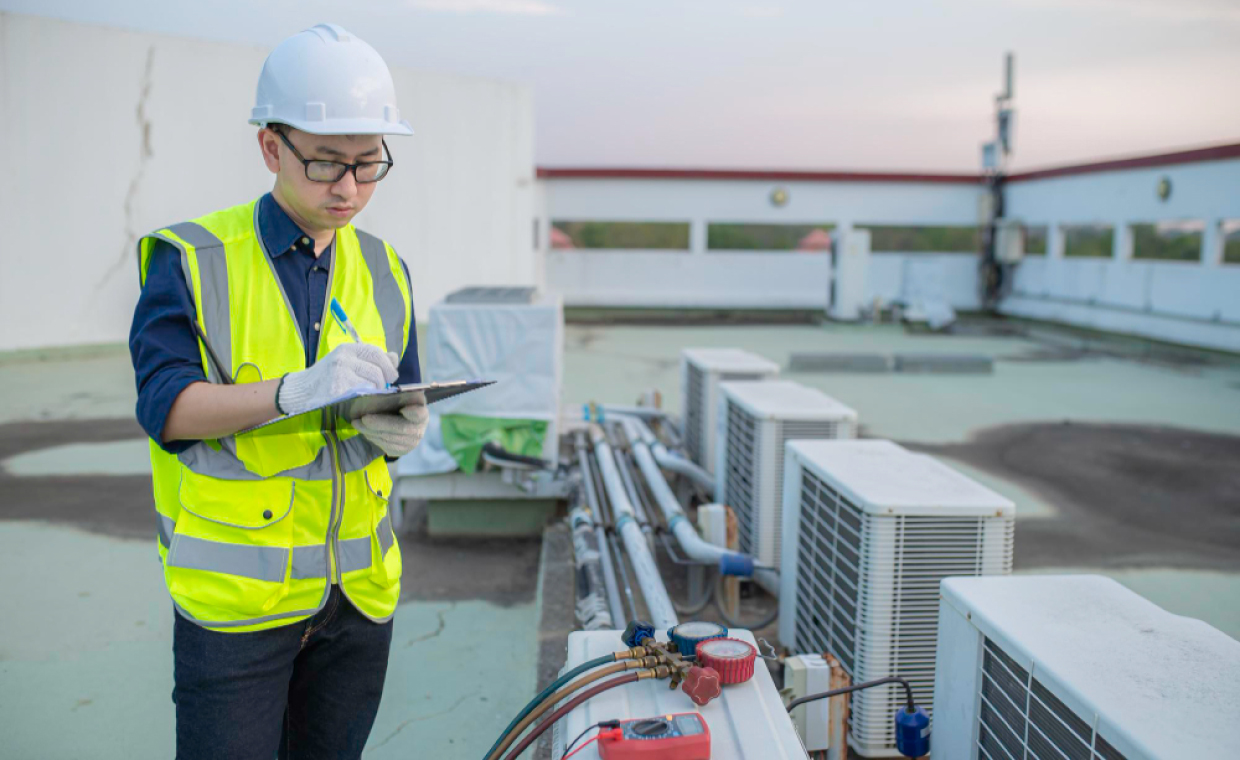
Reputable pest control specialists invest in trained technicians who, with their expert knowledge, identify pests accurately, along with their entry points and nesting locations before recommending any solution.
Step 2: Determining How Severe the Pest Infestation Is
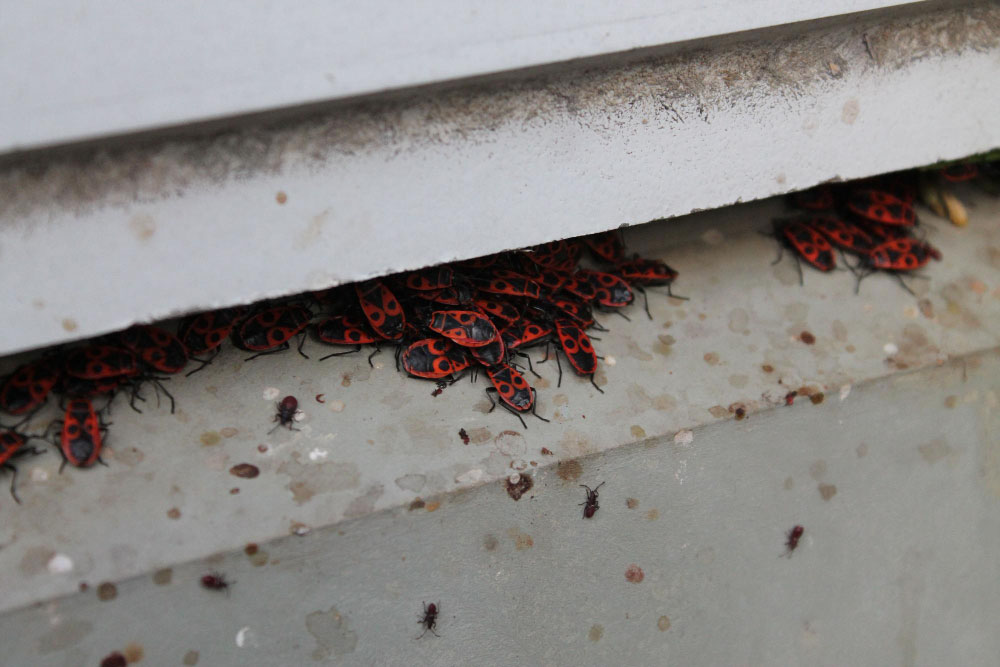
The severity of pest infestation determines the intensity of treatment methods. For instance, a minor ant problem in the kitchen can be solved by applying chemicals; however, a widespread termite infestation will require a full-blown spray treatment. Pest control professionals evaluate the severity of infestation using the following factors:
How widespread is the problem? Is it isolated to one room or throughout the property?
How long has the infestation been present? Established colonies are harder to eliminate than recent arrivals.
What’s the population size? A few rodent droppings suggest a different scale than multiple nests.
Is there visible damage? Structural damage from termites or gnaw marks from rats indicate severity.
Based on the assessment, professional pest control services determine whether spot treatment is sufficient or if comprehensive whole-property treatment is necessary.
Step 3: Matching Pest Control Treatment to Your Property Type
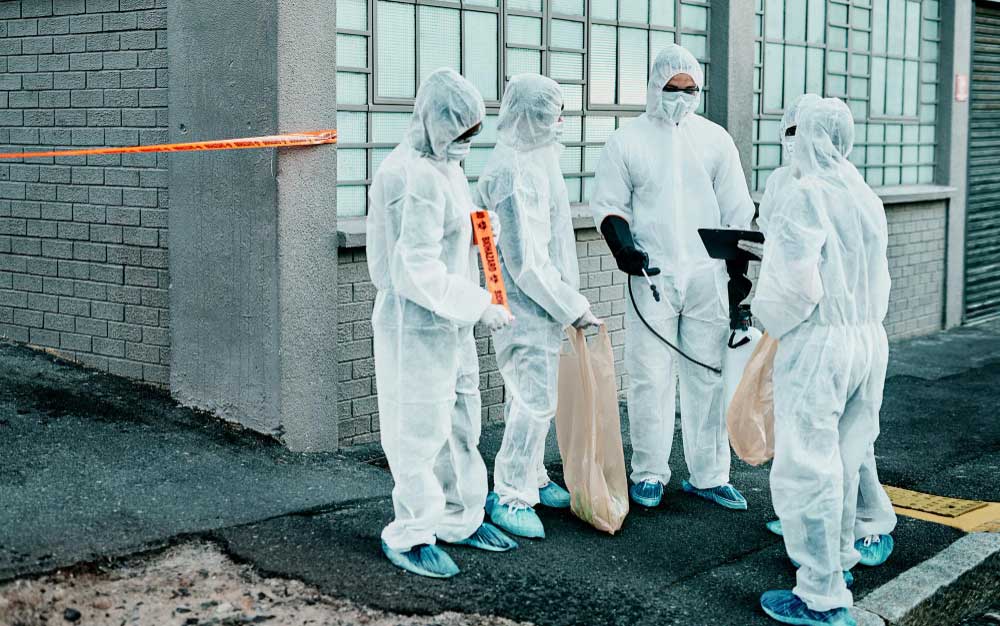
Professional pest control companies have different treatment options available for different types of properties. Moreover, a treatment that works for a house on the ground may not necessarily suit a flat-type housing. Similarly, the treatment for an infected kitchen area differs from that for an infected bedroom. Therefore, professionals prefer to thoroughly evaluate the property type by considering the following aspects:
Building structure: Concrete construction versus wooden frames affects termite treatment options.
Surrounding environment: Properties near drains, food sources, or green spaces face different pest pressures.
Ventilation and accessibility: Some treatments require sealing spaces, while others need good airflow.
Neighbouring units: In attached properties, pests can migrate from untreated neighbours, requiring barrier treatments.
According to Mr Pest Control Shah Alam, the best pest control provider, many homeowners underestimate how much their surrounding environment affects which treatment will actually work. For instance, properties near wet markets or restaurants often require stronger barrier methods compared to residential areas further from food sources.
Step 4: Checking Who Lives in the Property

Pest control treatments can be toxic and may cause allergies. Not every property can handle every treatment method. Therefore, a responsible pest control company evaluates who lives or works in the space:
Children and infants: Require child-safe products and application methods.
Pregnant women: Certain chemicals pose risks and must be avoided.
Pets: Dogs, cats, fish tanks, and bird cages all have different sensitivities.
Food preparation areas: Restaurants and kitchens need food-safe treatments.
Medical conditions: Occupants with asthma or chemical sensitivities need low-toxicity options.
This is why technicians ask questions before treatment – they’re customising the approach for your specific situation.
Step 5: Selecting the Right Pest Treatment Method
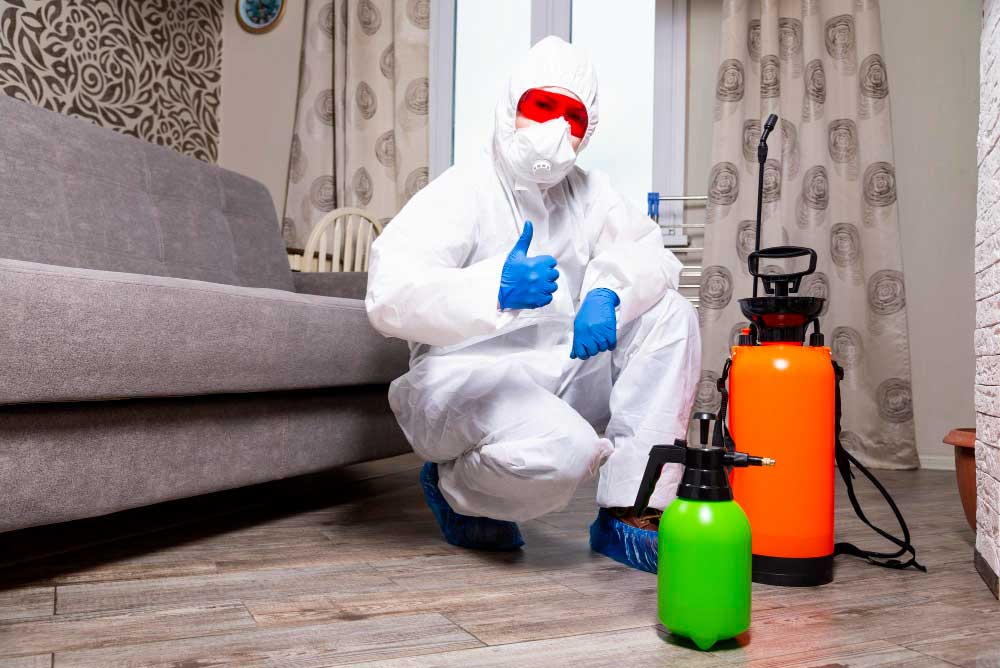
Once assessment is complete, professionals select from various treatment options:
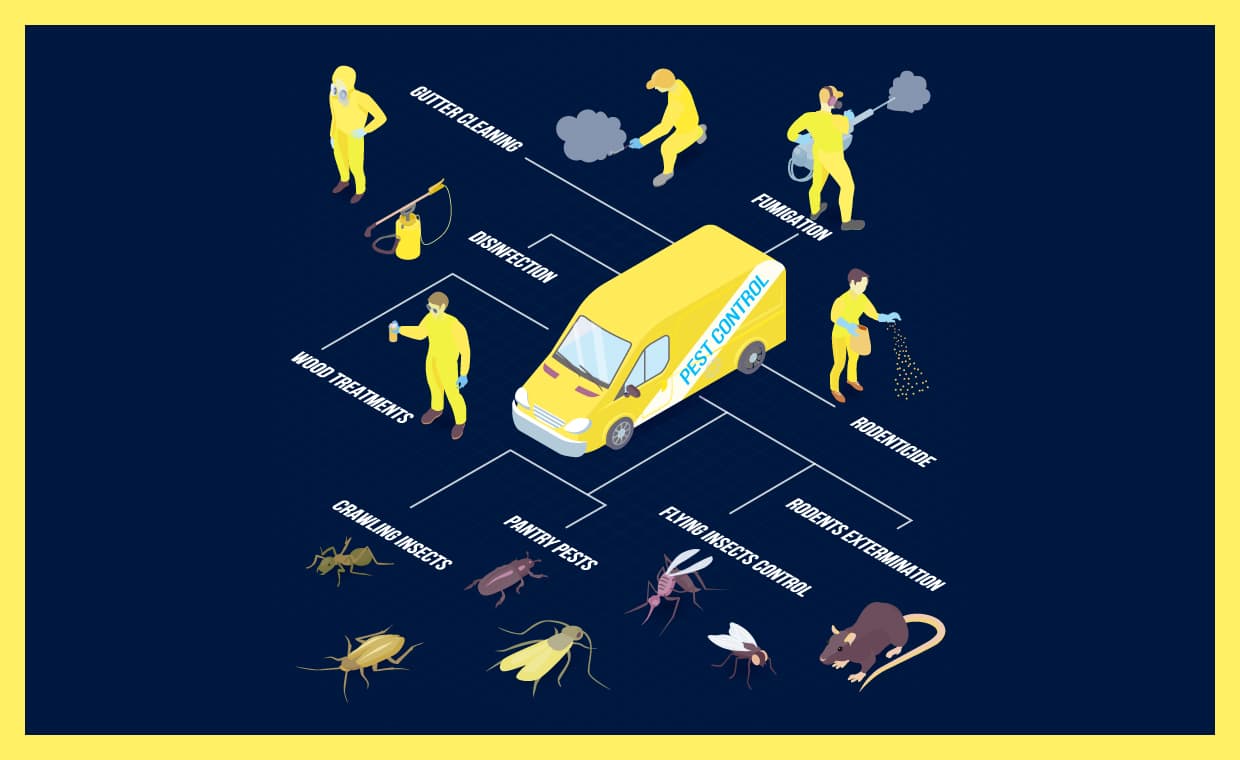
Chemical spraying: Effective for crawling insects, applied to surfaces where pests travel. Works well for cockroaches, ants, and spiders.
Gel baiting: Cockroaches and ants carry poisoned bait back to colonies, eliminating populations at the source. Less intrusive than spraying.
Fogging or misting: Reaches hidden areas and crevices, suitable for heavy infestations in enclosed spaces.
Dusting: Applied in wall voids, electrical outlets, and cracks where liquid treatments can’t reach.
Trapping and baiting stations: Primary method for rodents, allowing monitoring and population control without poison exposure risks.
Termite soil treatment: Creates chemical barriers in soil around foundations to prevent termite entry.
Termite baiting systems: Stations installed around the property that termites feed on and carry back to destroy colonies.
Heat treatment: Chemical-free option for bed bugs, using controlled high temperatures to kill all life stages.
The best companies often combine multiple methods for comprehensive results rather than relying on a single approach.
Step 6: Planning for Long-Term Results
Quick fixes rarely solve pest problems permanently. Experienced companies consider:
Residual effect: How long will the treatment remain active? Some products protect for weeks, others for months.
Resistance patterns: Overused chemicals lose effectiveness as pest populations develop resistance. Rotating products prevents this.
Root cause elimination: Treating symptoms without addressing entry points and attractants guarantees the problem returns.
Follow-up requirements: Some infestations need multiple treatments spaced apart to catch hatching eggs.
Why Cookie-Cutter Pest Treatments Always Fail
Budget pest control services often apply the same generic treatment to every job to save time and resources. This approach fails because:
- Different pests require different active ingredients.
- Wrong application methods waste product without reaching target areas.
- Ignoring safety considerations puts occupants at risk.
- Skipping proper inspection misses hidden infestation sources.
Professional companies take time to assess, recommend appropriate treatment, and explain why they’ve chosen that specific approach for your situation.
How Professional Pest Control Companies Handle Your Case
When you contact a reputable service, expect them to:
- Ask detailed questions about what you’ve seen and where
- Schedule an inspection before quoting treatment
- Identify the pest species and infestation severity
- Explain recommended treatment options and why
- Discuss safety precautions for your household
- Provide clear pricing with no hidden charges
- Outline expected results and follow-up schedule
If a company quotes a price without inspection or asks no questions about your situation, that’s a warning sign.
Choosing a Pest Control Company That Does It Right
Understanding how professionals make treatment decisions helps you ask better questions and choose wisely. Look for companies that take time to assess your specific situation rather than rushing to spray and leave.
The right treatment applied correctly solves pest problems. The wrong treatment wastes your money and leaves you dealing with the same issue weeks later.
Also Read: Getting to Know the Pest Control Experts in Your Area
FAQs on Selecting the Right Pest Treatment Method
01. What are the different kinds of pest treatment methods?
Chemical spraying, get baiting, fogging or misting, dusting, trapping, soil treatment, and heat treatment.
02. Why is it important to identify the kind of pest?
Identifying the pest is important because the type of pest determines the method of treatment. There is no universal pest treatment for every kind of pest. It varies based on the pest type, location, severity, and other factors.
03. How does the property and its surroundings matter in selecting the right pest treatment method?
The property type and surroundings affect pest entry points, nesting areas, and infestation severity. Surroundings such as lakes, drains, and food sources influence pest activity.
04. Why do cheap pest treatments always fail?
Cheap pest treatments lack attention to detail, use incorrect application methods that waste products, compromise safety standards, and miss hidden infestation sources.
05. Are pest control treatments safe for children and pets?
Yes, professional pest control companies opt for child-safe and pet-friendly treatments.
Author & Expert Review
Written By:  Nidhi Patel | Civil Engineer & Content Writer
| Credentials: B.E. (Mahatma Gandhi Institute of Technical Education and Research Centre), Registered with Gujarat Technological University (GTU). Experience: Civil Engineer with 3+ years of content writing experience, currently writing blogs for Gharpedia, part of SDCPL. Expertise: Specializing in SEO-optimized blogs and long-form articles focused on home improvement, construction, interiors and architect topics. I create well-researched, reader-focused content that balances technical accuracy with clarity, making complex subjects easy to understand. Find her on: LinkedIn |
Verified By Expert:  Ravin Desai – Co Founder – Gharpedia | Co Founder – 1 MNT | Director – SDCPL
This article has been reviewed for technical accuracy by Ravin Desai, Co-Founder of Gharpedia and Director at Sthapati Designers & Consultants Pvt. Ltd. With a B.Tech. in Civil Engineering from VNIT Nagpur and an M.S. in Civil Engineering from Clemson University, USA, and over a decade of international and Indian experience in the construction and design consultancy sector, he ensures all technical content aligns with industry standards and best practices.
Find him on: LinkedIn