Table of Contents
Quick Overview
Here is the quick overview of renovating budget homes:
- Cheap homes are not always bad, many simply need renovation or updates.
- Low price often reflects cosmetic issues, outdated interiors, or deferred maintenance.
- Buyers should evaluate the total investment.
- Always include a 15–20% contingency budget for unexpected repairs.
- DIY work (sweat equity) can reduce costs but complex work should be done by professionals.
- Avoid over-renovating beyond neighbourhood standards.
- Location, demand, and infrastructure still strongly influence property value.
- Renovation also allows energy-efficiency upgrades that reduce long-term costs.
- When planned carefully, budget homes can provide affordable ownership and strong equity growth.
For many aspiring homeowners, the idea of buying a house for under $100,000 sounds either unrealistic or risky. The common assumption is simple: if it’s cheap, something must be wrong with it.
But in real estate, price alone rarely tells the full story.
Budget homes, particularly those priced below six figures; often require renovation. They may be outdated, cosmetically neglected, or in need of structural improvements. However, for buyers who approach the process strategically, these properties can represent opportunity rather than danger.
Cheap doesn’t necessarily mean bad. Sometimes, it simply means unfinished potential.
This article explores the real economics behind buying and renovating budget homes and how homeowners can approach them thoughtfully, realistically, and profitably.
Why Budget Homes Often Need Work?
Properties priced below market average usually fall into one (or more) of these categories:
- Deferred maintenance
- Outdated interiors
- Aging mechanical systems
- Cosmetic neglect
- Estate or inherited sales
- Rural or secondary market locations
In many cases, the house itself isn’t structurally unsound. It simply hasn’t been updated in decades.
A home with original 1980s cabinetry, faded paint, and worn flooring may look unappealing at first glance. But cosmetic issues are often the easiest and safest problems to solve.
The key is distinguishing between superficial wear and structural risk.
Understanding the True Cost: Purchase Price vs Total Investment

The purchase price is only one piece of the equation. The real financial picture becomes clear when you calculate the total investment required to bring the property to modern living standards.
Let’s break it down.
1. Structural Repairs
These are the non-negotiables:
- Roof replacement
- Foundation stabilization
- Damp proofing
- Major structural cracks
- Termite or rot damage
Structural issues can quickly consume renovation budgets. Before committing to a low-cost property, a professional inspection is essential. If structural repairs exceed 30 to 40% of the property’s future value, the deal may no longer make sense.
2. Systems Upgrades
Many budget homes still operate on aging systems:
- Outdated electrical wiring
- Old plumbing systems
- Inefficient heating or cooling units
While these upgrades aren’t always visible, they directly impact safety and comfort. Modern buyers prioritize reliable infrastructure and lenders often require it.
3. Interior Modernization
This is where transformation and value creation truly begins.
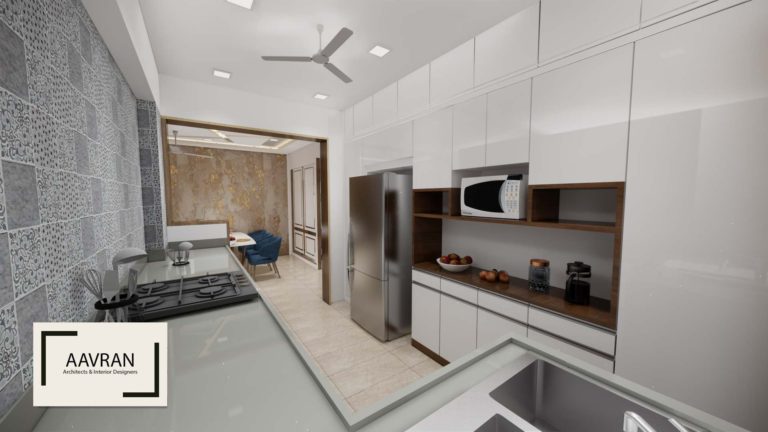
Kitchens, bathrooms, flooring, and lighting can dramatically shift how a home feels. Fortunately, cosmetic upgrades often deliver some of the highest returns on investment.
For example, improving kitchen lighting alone can change both usability and perceived value. Thoughtful task lighting, layered ambient lighting, and under-cabinet illumination can turn a dated space into a bright, functional centerpiece of the home. If you’re planning a kitchen update, exploring practical guidance such as these kitchen lighting ideas can help maximize both functionality and resale appeal.
Interior modernization allows homeowners to create emotional impact and emotional impact drives market value.
The Importance of Contingency Budgeting

One of the most common mistakes first-time renovators make is underestimating costs.
Even with careful planning, surprises happen:
- Hidden water damage
- Electrical code issues
- Subfloor repairs
- Permit adjustments
A safe rule of thumb is to add a 15-20% contingency buffer to your renovation estimate.
If your projected renovation costs $40,000, you should realistically budget $46,000 to $48,000.
This cushion protects your finances and prevents stressful decision-making mid-project.
Sweat Equity: When Doing It Yourself Makes Sense
One advantage homeowner has over professional flippers is time.
If you’re willing to invest your own labor, painting, flooring installation, landscaping, minor carpentry; you can significantly reduce overall renovation costs.
This is often called sweat equity, and it can dramatically improve your margins.
However, honesty is crucial. DIY makes sense when:
- The task is cosmetic
- You have the skill to complete it properly
- Mistakes won’t create safety hazards
Electrical rewiring, structural modifications, and plumbing replacements should generally remain in professional hands.
Doing everything yourself isn’t always the smartest financial decision. Doing the right things yourself often is.
Evaluating Resale Potential Before You Buy

Many buyers purchase budget homes not only to live in them but also to build equity over time or eventually resell for profit.
Before committing to a renovation project, ask yourself:
What is the likely value after improvements?
Are similar renovated homes selling in the area?
Is the neighborhood stable or improving?
Are there local infrastructure developments planned?
This concept is often referred to as After-Repair Value (ARV).
If comparable renovated homes sell for $180,000 and your total investment (purchase plus renovation) would be $120,000, the margin may justify the effort.
Interestingly, many buyers begin their research by exploring houses below 100000 in emerging or secondary markets, where acquisition costs leave room for thoughtful upgrades and future appreciation.
The lower the initial purchase price provided the structure is sound the more flexibility you have in renovation budgeting.
Avoiding Over-Improvement
Another common pitfall is over-renovating beyond the neighborhood standard.
Installing luxury marble countertops and premium appliances in an area where average homes sell modestly may not generate proportional returns.
Instead, align improvements with local expectations:
- Durable but affordable materials
- Functional layouts
- Neutral finishes
- Energy-efficient upgrades
Renovate for the market not for magazine covers.
Location Still Matters

While renovation can fix many things, it cannot change location.
A structurally solid house in a stable rural community may outperform a slightly better home in a declining area.
When evaluating budget properties, consider:
- Access to schools and services
- Transportation links
- Population growth trends
- Employment stability
Sometimes a lower price reflects lower demand. The goal is to determine whether that demand is stagnant or simply undiscovered.
When Renovation is Not Worth It
Despite the potential upside, not every cheap house is a good investment.
Red flags include:
- Major foundation failure
- Chronic flooding
- Severe mold throughout structural elements
- Unpermitted structural additions
- Extremely low neighborhood demand
If repairs exceed the projected resale value or if financing becomes difficult due to property condition walking away is often the wisest decision.
Emotional attachment can cloud financial judgment. Numbers should lead.
The Psychological Advantage of Budget Homes
There is also a subtle psychological benefit to buying lower-cost homes.
When buyers purchase at the top of their budget, financial pressure increases. Renovation becomes stressful rather than creative.
In contrast, purchasing below market average provides breathing room. It allows homeowners to:
- Phase renovations over time
- Make thoughtful design choices
- Avoid high debt burdens
- Build equity gradually
The process becomes empowering rather than overwhelming.
Energy Efficiency and Long-Term Savings
Renovation is also an opportunity to improve energy performance.
Replacing old windows, adding insulation, upgrading HVAC systems, and installing efficient lighting can lower monthly operating costs significantly.
Lower utility bills increase long-term affordability and enhance resale value. Modern buyers increasingly value energy-conscious upgrades.
In some regions, government incentives or tax credits may further offset upgrade costs.
Renovation Timeline Expectations
Many homeowners underestimate how long renovation projects take.
A cosmetic update may take weeks. Structural repairs can take months.
Plan for:
- Permit approvals
- Contractor scheduling
- Material delays
- Inspection timelines
Rushing often increases costs. Strategic patience preserves both quality and budget.
Final Thoughts: Cheap Can Mean Opportunity
The phrase “you get what you pay for” does not always apply neatly to real estate.
Sometimes, you get what others overlooked.
Budget homes often require work but work creates value. When approached with realistic budgeting, professional inspections, and thoughtful renovation strategy, lower-priced properties can offer:
- Affordable entry into homeownership
- Gradual equity growth
- Future resale potential
- Creative design freedom
Cheap doesn’t automatically mean flawed. It can mean underutilized.
For homeowners willing to research carefully, calculate honestly, and renovate strategically, buying below market value can become not just a financial decision but a transformative one.
Also Read: How to Budget & Track Costs during Home Renovation Projects?
FAQs on Renovating Budget Homes
1. What should be Inspected Before Buying a Budget Home?
Key inspections include the roof, foundation, plumbing, electrical systems, moisture damage, and structural stability.
2. How much extra budget should be kept for unexpected repairs?
Experts recommend setting aside 15 to 20% of the renovation budget for unforeseen issues.
3. When should buyers avoid renovating a cheap house?
If repair costs exceed the property’s future value, or if the house has major foundation issues, flooding risks, or extremely low market demand, it may not be worth the investment.
Author & Expert Review
Written By:  Kinjal Mistry | Civil Engineer & Senior Content Writer
| Credentials: B.E. (Dharmsinh Desai University, Nadiad, Gujarat). Experience: Civil Engineer with 9 years of content writing experience, currently writing impactful articles for Gharpedia, part of SDCPL. Expertise: Specializes in writing well-researched content on home improvement, sustainability, building materials, home interior, DIY, and plumbing technology with everyday clarity. Find her on: LinkedIn |
Verified By Expert:  Vaidehi Desai | Owner – Gharpedia | MBA (Finance), PGDHRM
This article has been reviewed for financial, operational, and content quality accuracy by Vaidehi Desai, Owner and Operations Lead of Gharpedia, a venture of Sthapati Designers & Consultants Pvt. Ltd. With over 10 years of experience in managing an educational and media platform in architecture, construction, and home-building, along with a strong background in finance, business operations, and human resource management, she ensures the content meets organizational standards, factual reliability, and overall quality benchmarks.
Find him on : LinkedIn