Table of Contents
Summary
- Wall art trends gives your interiors a new feel without going for a full-fledged renovation.
- The rise of artist-made pieces has increased over mass-produced décor.
- These artistic wall décor pieces effortlessly become the focal point of any room.
- A shift has been made towards custom-made wall art pieces. They invoke a sense of personal touch and match the home’s palette.
- Color palettes today are inclined towards saturated greens, rust tones, deep blues, and rich browns rather than neutrals and pastels.
- Textured wall art pieces add warmth and create tactile interest.
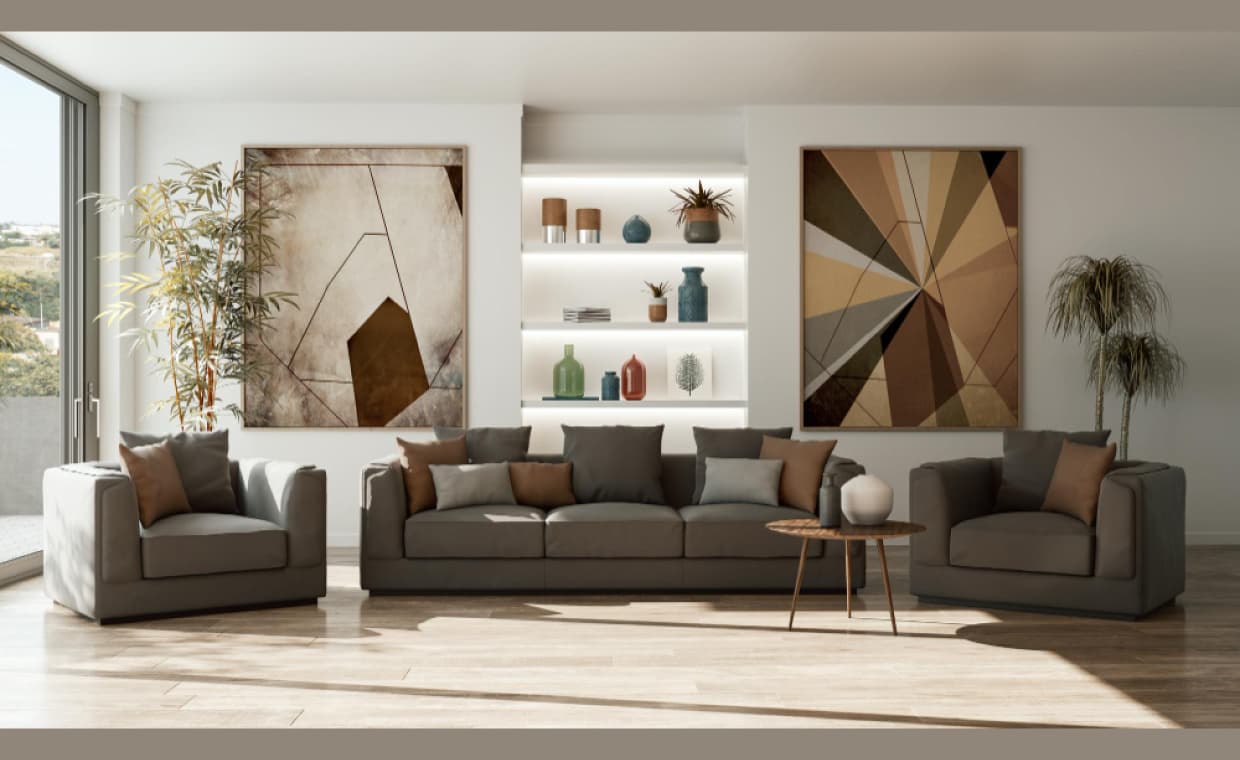
- Oversized pieces have become staples for open-concept living areas.
- Choose one statement piece over many smaller ones.
- Wood mosaics, fiber pieces, metal inlays, and hand-built ceramics are making their way onto walls.
- Directional lighting gives the art a sense of day-to-night variation. It makes the art feel integrated into the room.
- Wall art is shaping design by giving a home character through pieces that feel meaningful and substantial.
Homes keep telling stories, and wall art has become one of the fastest ways to shift the tone of a space without tackling full renovations. It’s been a while where matchy frames and predictable layouts are no more in trend. What we see now is a desire for depth, texture, and a little risk, which feels refreshing in a world that can get too polished. HGTV design lovers want rooms that feel collected, not curated, and wall art has stepped into that role with unexpected confidence. The shift isn’t about perfection. It’s about spaces that feel expressive and warm, with pieces that hold visual weight without overwhelming the room.
The Rise Of Artist Made Pieces
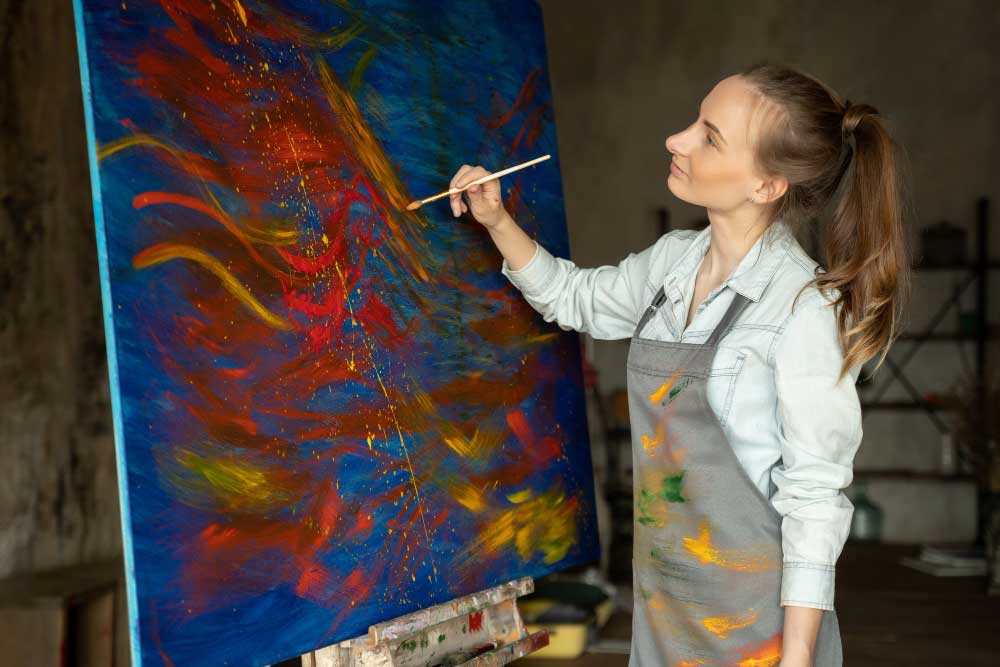
One clear shift of interest is evident today. People want work created by actual hands instead of mass-produced decor. Brushstrokes, palette knife ridges, and mixed mediums bring energy that can’t be factory stamped. People are gravitating toward original oil paintings for sale because their presence feels grounded.
A piece carrying texture, blends in almost like it is a part of the architecture. It invokes a sense of permanence and anchors a room when styled against softer textiles or neutral walls. Larger canvases are also famous these days. They effortlessly fill a wall without needing an entire gallery layout. When a single piece carries dimension, everything else in the room can relax a little.
The Move Toward Personal Meaning
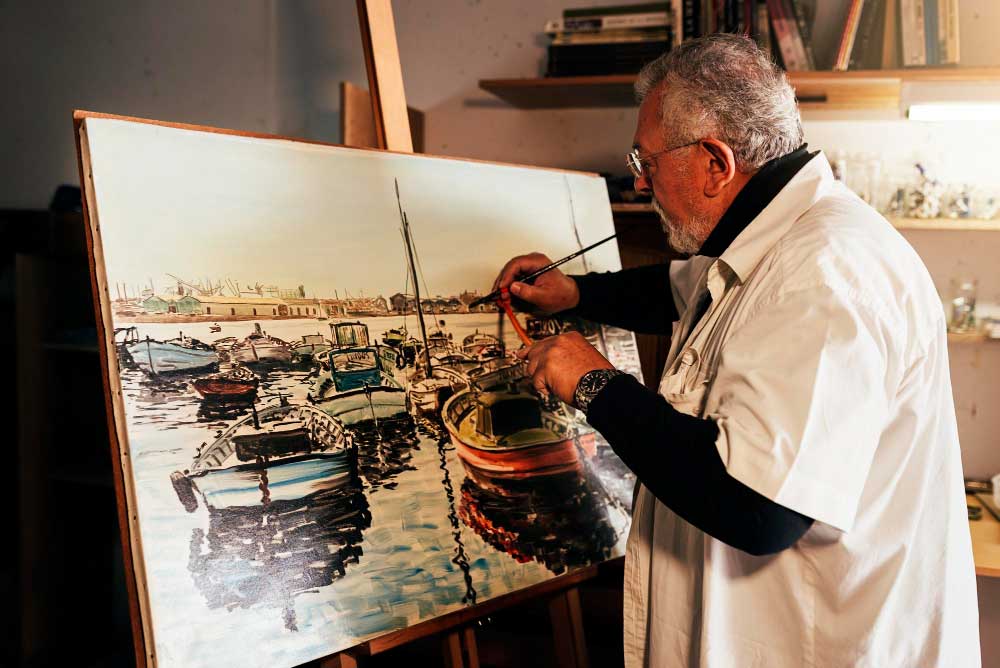
Homeowners are now choosing pieces that connect to their own stories. That includes commissioning artists for custom wall art, which has completely changed the tone of decor conversations. Families today prefer to work with artists for creating a masterpiece that mark life moments or reflect favorite places. This trend makes wall art feel more like an heirloom than a trend piece. It also helps balance the broader move away from sameness. When a piece is tailored to a home’s palette and the homeowner’s personality, the entire room falls into place with less effort. These commissions often become the visual starting point for the rest of the design decisions, even influencing lighting choices and textile colors.
Color Palettes With More Intentional Shifts
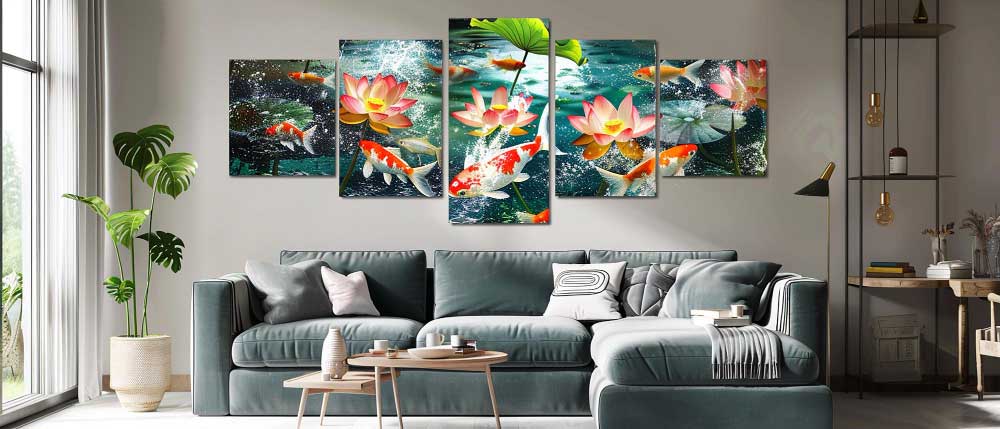
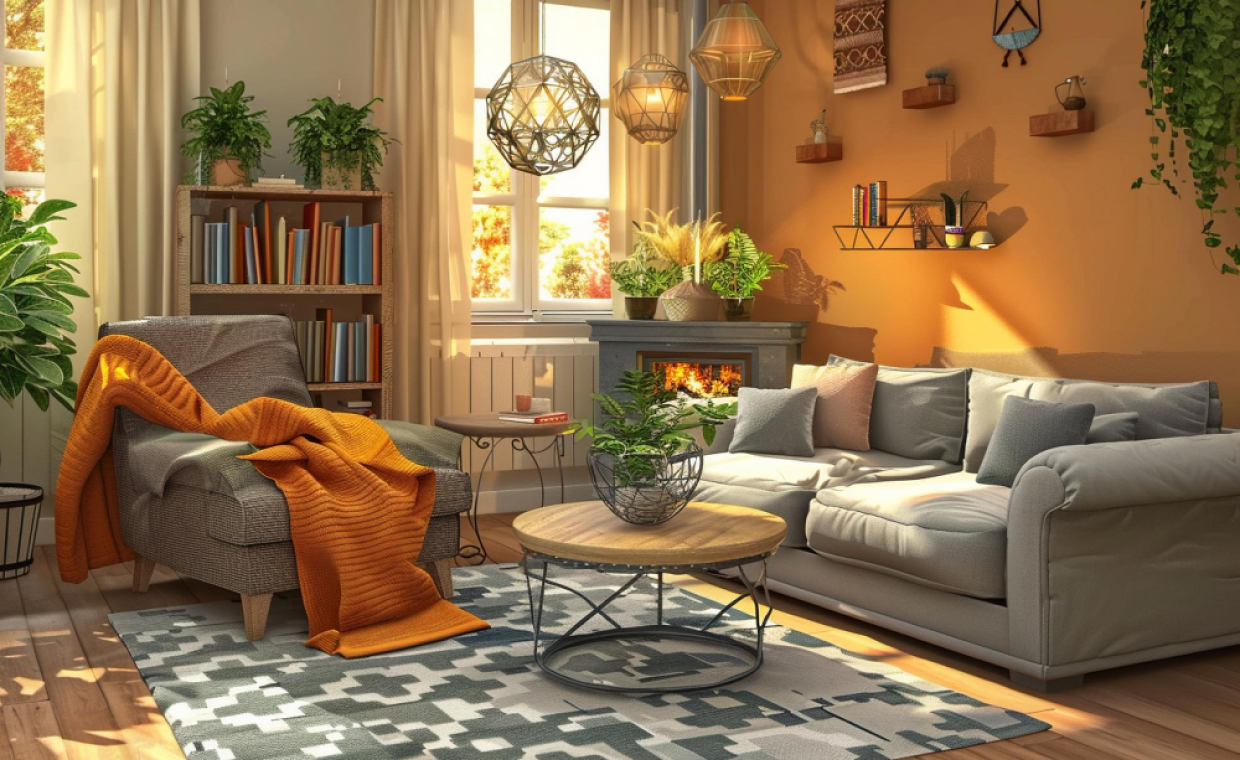
Neutrals are intact; however, color is stepping forward with more confidence. Saturated greens, rust tones, deep blues, and rich browns are appearing in art that adds depth without shouting. These hues work well in living rooms that already lean warm, and they create instant cosiness when paired with natural materials like oak or linen. People aren’t abandoning neutrals, they’re simply inclining towards art to bring in the moodier tones, simultaneously avoiding the gaudiness. Art lets you play without repainting. The subtle trend is moving away from pastel or washed out tones and toward colors that actually shape the room’s emotional temperature. Even minimalist pieces are adopting more weight, using tone on tone layers or textured strokes to build presence.
Texture As A Design Anchor
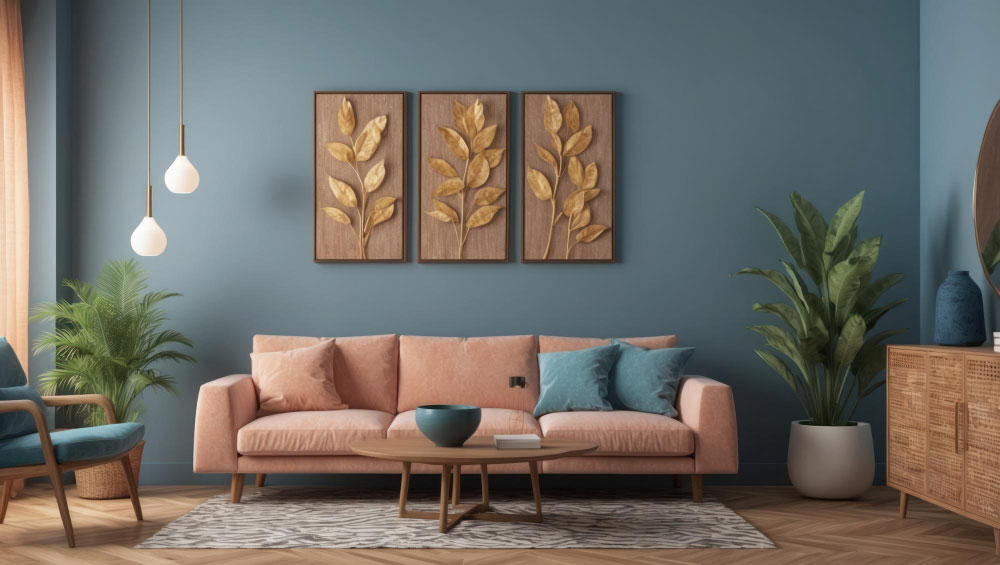
Texture has become a quiet hero, especially in homes that skew modern or minimalist. Art is stepping in to soften sleek surfaces and crisp lines. Sculptural canvases, plaster work, layered paint, and mixed media pieces create tactile interest that gives a room depth. This kind of detail draws someone closer and not just seek mere attention from across the room. Designers often use texture to solve a familiar problem, those large walls that feel cold no matter how carefully you arrange furniture. A textured piece can fill that void instantly. This shift speaks to a desire for warmth in a broader sense, homes that feel lived in even when the lines are clean.
Large Scale Works Leading The Layout
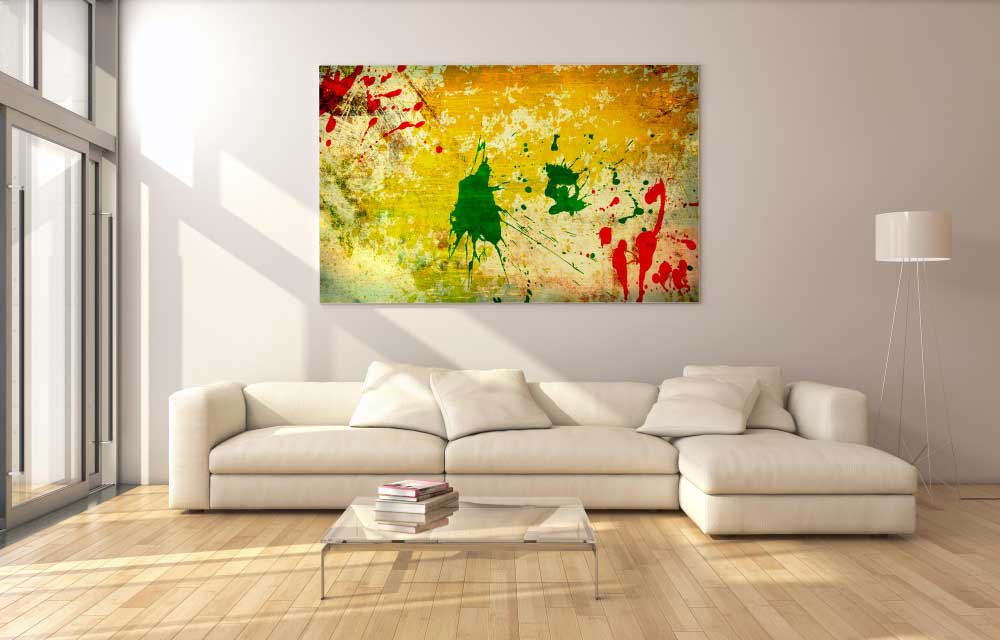
Bigger art isn’t new, but the attitude around it has changed. Earlier oversized pieces were considered a bold choice, however, with time today they have become staples for open concept living area. A room with lofty ceilings or wide blank walls, feels hollow. This problem can be resolved by bringing in a largescale art piece. It will bring proportion back into balance. People used to hesitate and worry that it might overwhelm the furniture, but now designers use it as a stabilizing anchor. The frame can be simple and does not need to be ornate. In fact, simple wood or thin metal frames let the art breathe and keep the room from feeling heavy. The trend is shifting toward choosing one statement piece rather than many smaller ones. It simplifies the layout and gives the eye a place to land, which naturally calms the space.
Unexpected Materials Taking Center Stage
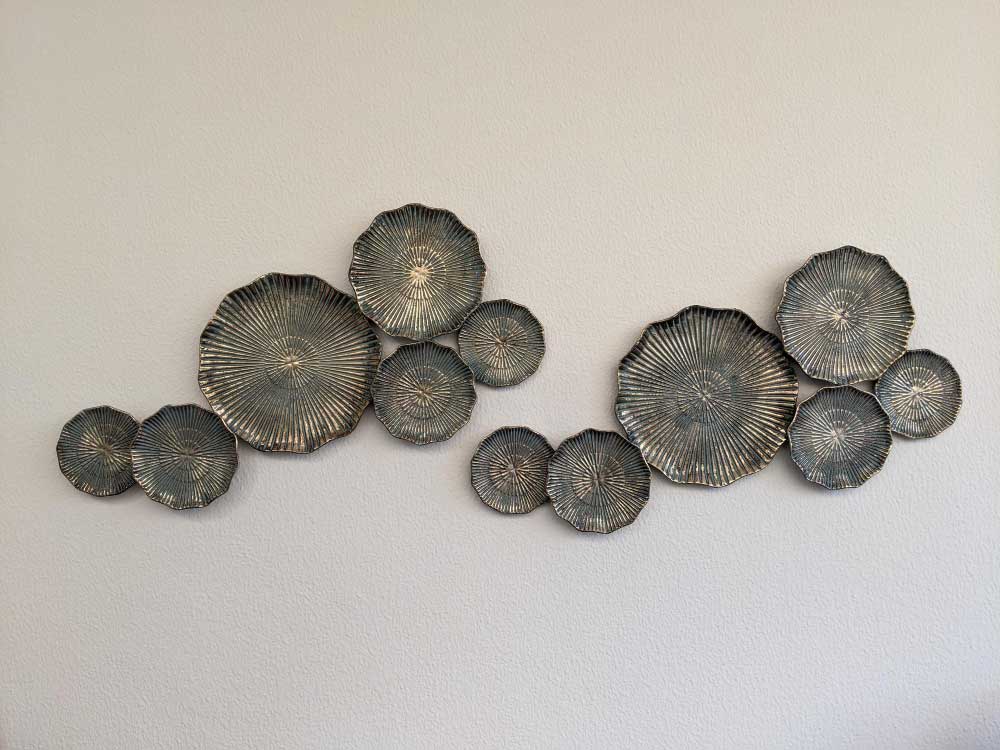
A growing trend blends traditional art with materials pulled from architecture and craft. Wood mosaics, fiber pieces, metal inlays, and hand built ceramics are making their way onto walls.
They add depth and character that paint alone cannot. These materials carry a sense of craftsmanship that blends well with rustic and modern interiors. They also add personality to transitional homes that borrow elements from both. People like that these pieces feel collected through travel, even if they were made by a local artist. They help break up the monotony of flat surfaces. This trend is especially popular in hallways and entryways where homeowners want something intriguing but not overwhelming.
Finishing Touches And Lighting Shifts
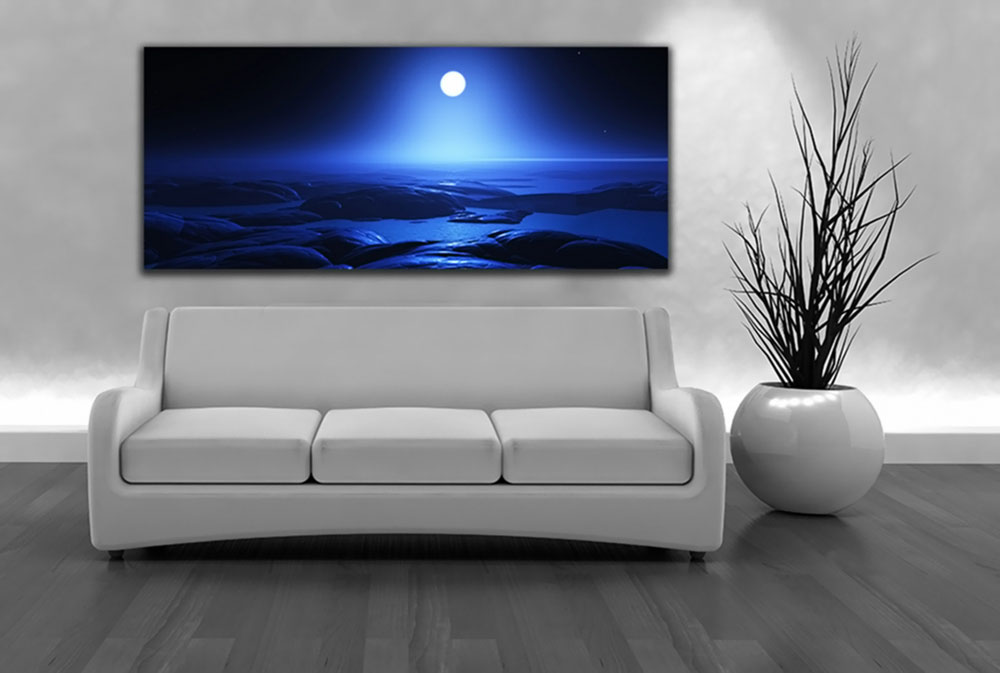
Lighting has become part of the wall art conversation in a bigger way. Instead of spotlight style fixtures, people are choosing softer directional lighting that creates wash effects. It gives the art a sense of day to night variation. Warm temperature bulbs deepen colors and make textures more noticeable. This doesn’t mean building a gallery. It’s more about letting art feel integrated with the room rather than floating on its own. Frame lighting is also becoming more subtle, often blending into the frame’s profile so the attention stays on the work. These lighting decisions matter because art looks different depending on time of day, and homeowners want pieces that still hold presence after sunset.
Wall art is shaping design with a fresh mix of texture, personality, and expressive color. People want pieces that help a room feel grounded and lived in, and the shift toward intentional choices reflects that desire for warmth. The new trends aren’t about filling empty walls. They’re about giving a home character through pieces that feel meaningful and substantial.
Also Read: Splash of Arts: The Reference Store For Your Wall Decoration
FAQs on Wall Art Trend
01. What is the role of wall art in modern interiors?
Wall art makes your interiors feel expressive and warm. It is the fastest way to change the tone of a room without doing renovations.
02. Why do people prefer artist-made pieces?
Artist-made pieces feel more alive and grounded. They have brushstrokes, palette knife ridges, and mixed media that are not found in factory-made décor.
03. Why has custom wall art gained popularity?
Custom art is more personal, as homeowners customise art pieces that connect to their own stories and are tailored to a home’s palette.
04. What color palette is preferred today?
Saturated greens, rust tones, deep blues, and rich browns are preferred today. They add depth without shouting and shape the room’s emotional temperature.
05. How should large walls be decorated?
Textured wall art works best for large walls. It adds warmth, and tactile artwork gives depth.
06. How important is lighting for wall art?
Lighting enhances colors, highlights textures, and ensures the artwork remains visually appealing throughout the day.
Author & Expert Review
Written By:  Nidhi Patel | Civil Engineer & Content Writer
| Credentials: B.E. (Mahatma Gandhi Institute of Technical Education and Research Centre), Registered with Gujarat Technological University (GTU). Experience: Civil Engineer with 3+ years of content writing experience, currently writing blogs for Gharpedia, part of SDCPL. Expertise: Specializing in SEO-optimized blogs and long-form articles focused on home improvement, construction, interiors and architect topics. I create well-researched, reader-focused content that balances technical accuracy with clarity, making complex subjects easy to understand. Find her on: LinkedIn |
Verified By Expert:  Ravin Desai – Co Founder – Gharpedia | Co Founder – 1 MNT | Director – SDCPL
This article has been reviewed for technical accuracy by Ravin Desai, Co-Founder of Gharpedia and Director at Sthapati Designers & Consultants Pvt. Ltd. With a B.Tech. in Civil Engineering from VNIT Nagpur and an M.S. in Civil Engineering from Clemson University, USA, and over a decade of international and Indian experience in the construction and design consultancy sector, he ensures all technical content aligns with industry standards and best practices.
Find him on: LinkedIn