





Table of Contents
Quick Summary
- Introduction to importance of wall displays.
- Hanging pictures or wall art is a creative activity that requires basic design knowledge to achieve a stylish result.
- Art in a home should be both aesthetically pleasing and harmoniously integrated with the surroundings.
- Correctly hanging pictures reflects personal taste and adds emotional warmth and personality to a space.
- Walls can become creative canvases by displaying not only paintings but also real objects and memorabilia.
- Everyday items like hats, plates, posters, or travel souvenirs can be turned into unique decorative displays.
- Black-and-white photographs in sleek frames often create a more dramatic and sophisticated wall look.
- Choosing picture size and placement wisely helps maintain proportion and visual balance on walls.
- Grouping pictures based on colour, tone, and size ensures aesthetic harmony and prevents cluttered arrangements.
- Keeping artwork at eye level (around 57–60 inches from the floor) gives the best visual experience.
- Planning a layout on the floor before drilling helps visualise the arrangement and avoid placement errors.
- Safety and wall type matter — always check for hidden pipes or cables before inserting hooks or nails.
- Different wall types (solid, plaster, or cavity) require specific hangers and fasteners for secure mounting.
- Use strong, appropriate fixings and D-rings or picture wire to keep frames level and steady.
- Accurate measurements and levelling ensure that wall displays look neat and professional.
- When space is limited, positioning pictures at eye level enhances visibility and appreciation.
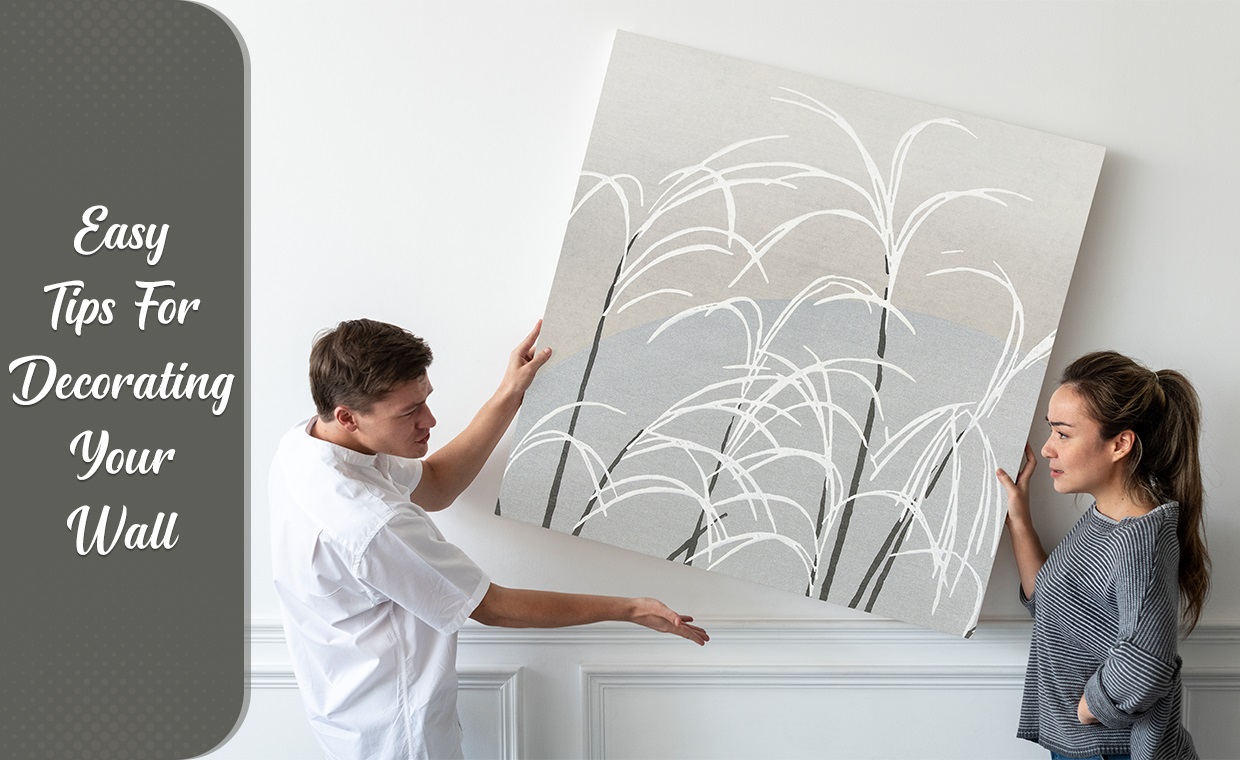
Wall displays are an integral part of any house. They can add or detract from the décor quotient of the room. Decorating a room by hanging pictures or other hanging objects on the wall is a fun activity, but it also involves certain knowledge so that the project ends up looking good and not gaudy! This is where useful tips for hanging pictures come to the rescue.
According to Jay Sacher and Suzanne Lagasa (2013) (Authors of “How to Hang A Picture: And Other Essential Lessons For The Stylish Home”), art should transport us and enlighten us, but, as a part of one’s home, it needs to look good on purely aesthetic grounds, it needs to match the wallpaper, so to speak. An integral part of marrying Art to the home is in how that art is displayed. Understanding this, Gharpedia shares some useful and important tips for hanging pictures and other objects on the wall to make it elegant.
Importance of Hanging Pictures On Wall Correctly
The pictures you choose to put on the wall can say more about who you are and what you like than almost anything else in the room. Hanging pictures on the wall is important because beautiful pictures give us pleasure and happiness. We need to do this for ourselves and not to impress anyone around us!
So don’t restrict yourself from hanging pictures on the wall. Displays all that you like-from conventional paintings, prints to photographs. Be adventurous and let your creativity flow freely.
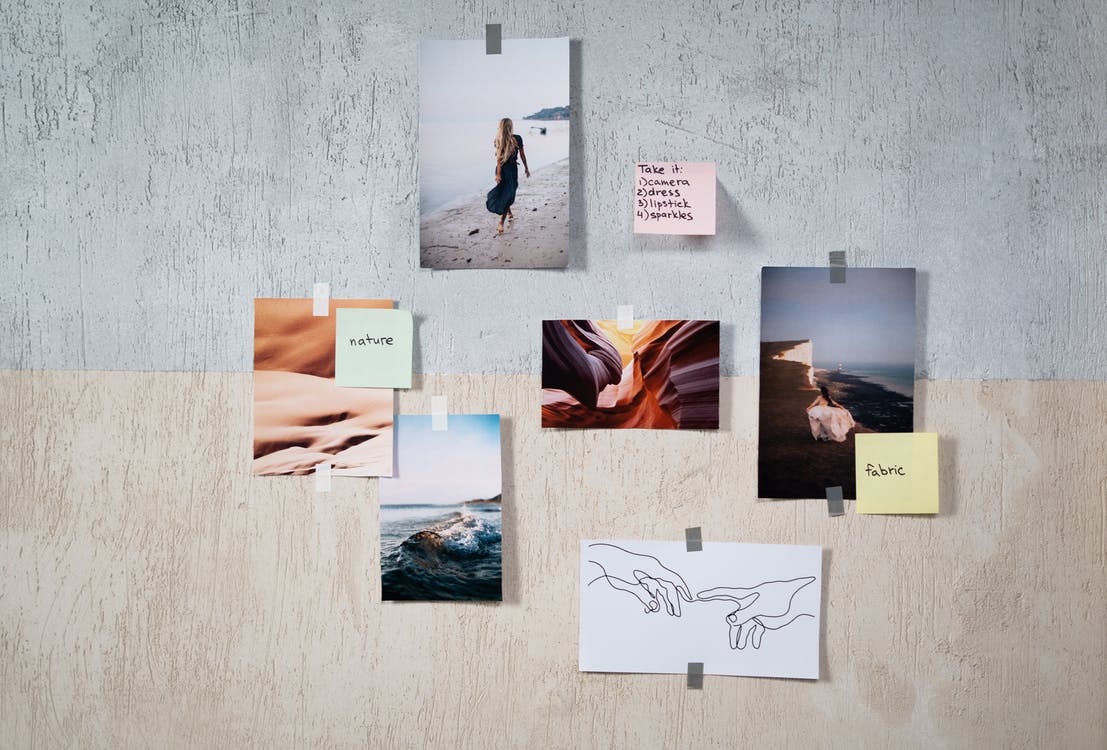
Make Your Wall Creative By Hanging Real Objects
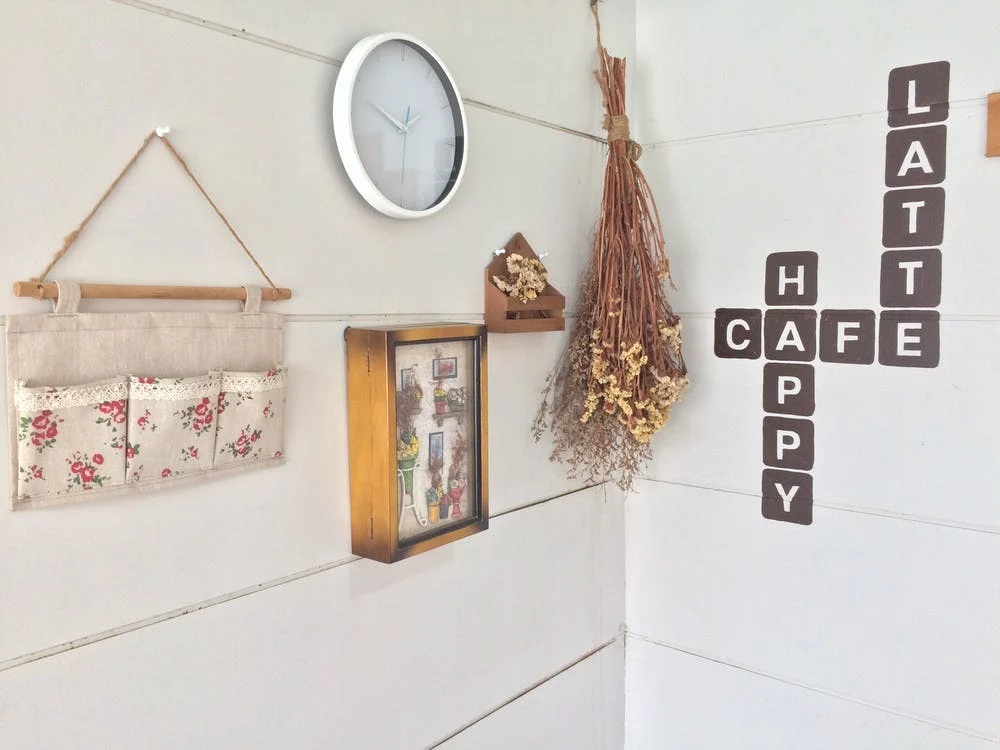
An empty wall is like a plain canvas, which can be converted into a beautiful piece of art by doing minimal and pocket-friendly changes. Hang up anything that appeals to your eyes! This could be clothing, hats, game boards, plates, travel tickets, tea packets, circus posters, or old property deeds. Big enlargements of small copperplate signatures and seals make superb graphic images, and small sections of photographs of landscapes or flowers can be blown up to make abstract colour compositions. Custom canvas photo prints for wall art are another fantastic option to add a personal and artistic touch to your space. Also, when you visit a friend or relative and are tempted by the posters there, then you can scan posters and photocopy them – it’s a great way to obtain arty images for the walls.
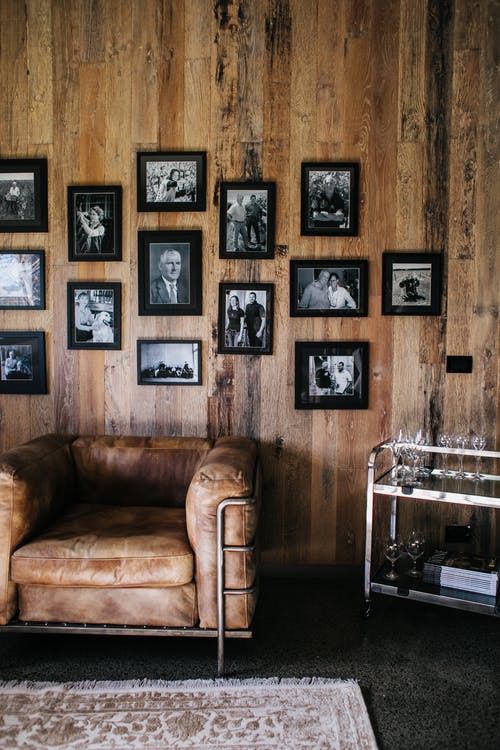
Original art does not have to cost a fortune. The best way to hang a picture can easily be learned by following a few basic tricks to hanging pictures on the wall. A useful tip for hanging pictures is that black-and-white photographs are often more dramatic than coloured ones, so use fine black frames to show them off.
Pro Tips For Hanging Pictures
After sorting out the pictures to be put on the wall, the next thing is to decide how to hang frames on walls in a way that is appealing and easy on eyes. There are so many photo hanging ideas available online and offline. However, here we have listed a few that are brief and easy to understand and implement at your home. Following are twenty best picture hanging ideas to try at home.
01. If you are only hanging one picture on a wall, it will either need to be large enough to fill a wall on its own or to be hung off-centre; otherwise it will look out of proportion. The best way to hang a picture here is by properly finding the centre and then hanging it on a wall.
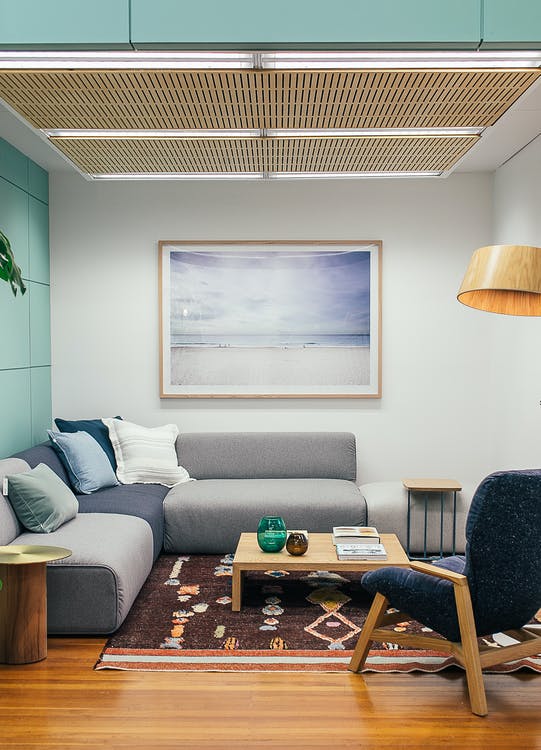
02. Pictures hanging on the wall should be well proportioned. Make sure there is no large or heavy picture above a small one.
03. The worry of how to hang frames on walls only in a horizontal axis can be solved by hanging pictures in a single row of odd-sized pictures along a wall. The best tip for hanging pictures here is to fix them in such a way that an imaginary horizontal centre-line runs through them all. The heights will vary but the eye level will remain constant.
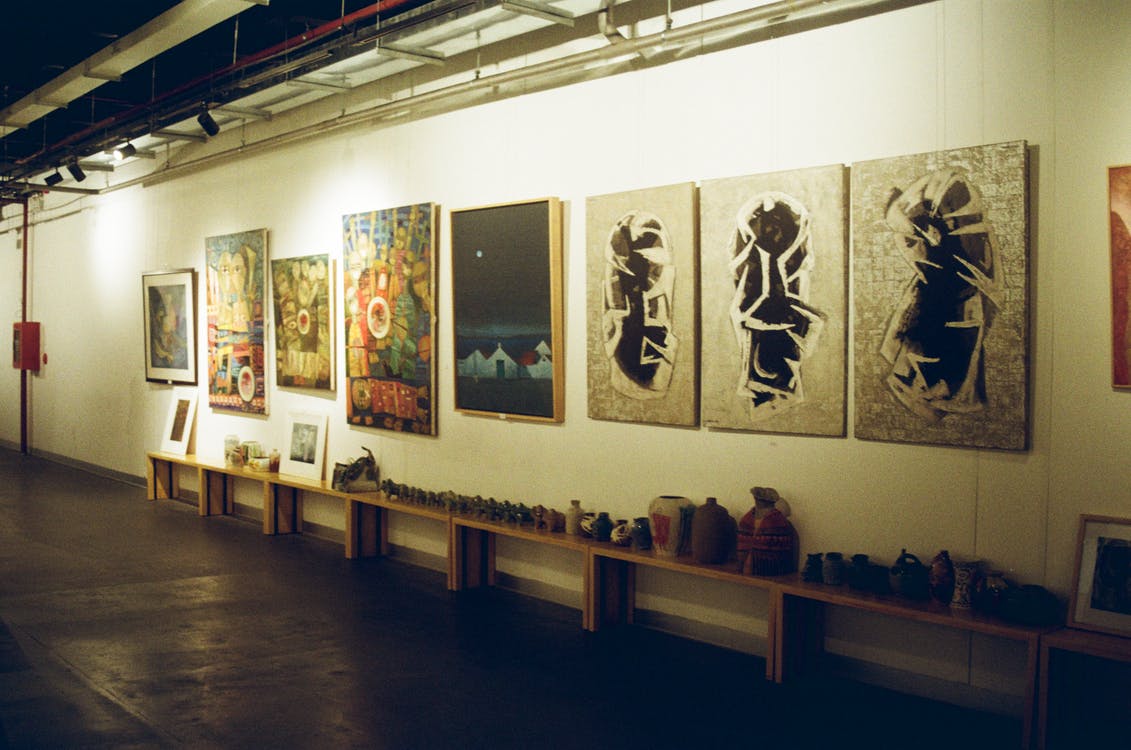
04. Make your favourite picture stand out by surrounding the frame with a painted border on the wall. This way your favourite picture hanging on the wall will be more catchy and distinguished.
05. Best tip for hanging pictures in a group is to create a balanced effect on the wall, so perhaps one medium-sized picture in one half of the wall can be set against a group of three small pictures on the other side.
06. Multiple pictures hanging on the wall need to have a mixture of small and large frames set out in a pleasing way as well, so that the frames are not too weighty in any one area.
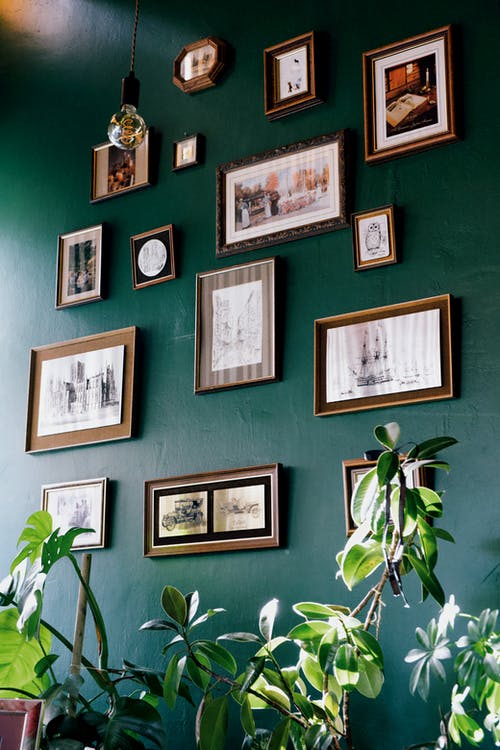
07. One trick to hanging pictures is to refrain from hanging pictures too high up the wall or too low down – keep them around eye level. As suggested by Jay Sacher and Suzanne Lagasa (2013) (Authors of “How to Hang A Picture: And Other Essential Lessons For The Stylish Home”) Ideal height for art on wall, centered is 57 inches to 60 inches; ideal distance from bottom edge of art to top of edge of furniture is 6 inches to 8 inches; ideal distance between pieces of art is 3 inches to 6 inches.
08. Best tip for hanging pictures in groups is to try to see them as colours and tones and not as a subject matter. Simply stand in front of your collage and observe carefully that the arrangement you created has unified theme in terms of texture, colour, shape and size but also it should not steal the message or stand out of the collage. In such case do some brainstorming and rearrange the collage that creates a sense of balance.
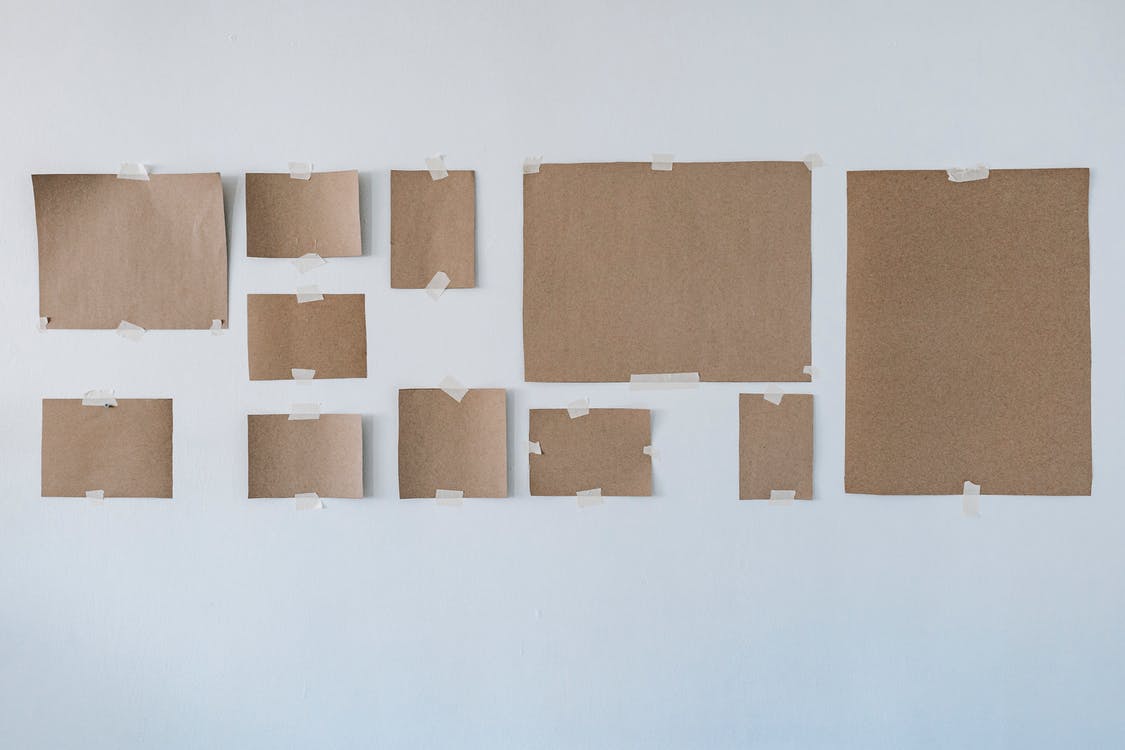
09. Most essential tip for hanging pictures is to first collect the ideas for hanging pictures on the wall and then lay a group of pictures to be displayed together out on the floor before putting them on the wall. This way, you can plot the shape and spaces of the entire arrangement.
10. Implementing photo hanging ideas at home begins by examining the walls, checking for pipework and electric cables. Remember, that there will be water pipes near the radiators, and electric cables running horizontally or vertically near any plugs and switches.
11. Do note that different walls need different photo frame hangers, and hence the best thing to do in such a scenario is to tap the wall to discover whether it is a cavity wall or plastered brickwork.
12. The most common question that arises while hanging pictures on wall is how to hang frames on walls? The answer to this is to use screws with fixings that grip the back of the wall panel on a cavity wall. If using a hook, fit hook onto the screw before you tighten it; so that the backing of hook does not drops into the wall cavity when you remove the screw.
13. A solid wall is suitable for single or multiple brass hooks fitted with masonry nails, which enter the wall at an angle. The shallow three-prong plastic hooks work by spreading the weight, but are only effective if the plaster is in good condition, so check this out before buying the hooks.
14. Heavy pictures are best hung from bolts fitted into drilled and plugged holes.
15. Photo frame hangers come in a range of shapes and sizes. It is very important to ensure that the fixings you use are strong enough to support the weight of the picture in order to avoid a nasty accident.

16. Fit D-rings or screw eyes to the back of the picture and thread with taut picture wire. It is vital that these are perfectly aligned for the picture to hang level. It is indeed the best option for hanging pictures on wall.
17. Another ‘how to hang frames on walls’ doubt is solved by positioning the picture on the wall and making a mark at the top centre. Measure the distance from the taut wire to the top of the frame and make a mark below the first one. This is the wall fixing position.
18. While hanging pictures on the wall, never guess the measurements or level. Always measure with the measuring tape and always level the picture. Download a level app in your smartphone and use your phone to level the photo frame. This is one of the smartest tricks to hang pictures on the wall.
19. In cases where space is constrained, the best idea for hanging pictures on the wall is to hang frames at eye level as their subject matter demands close examination.
20. Picture hanging ideas at home work best when they are strictly followed and not overlooked in any aspect.
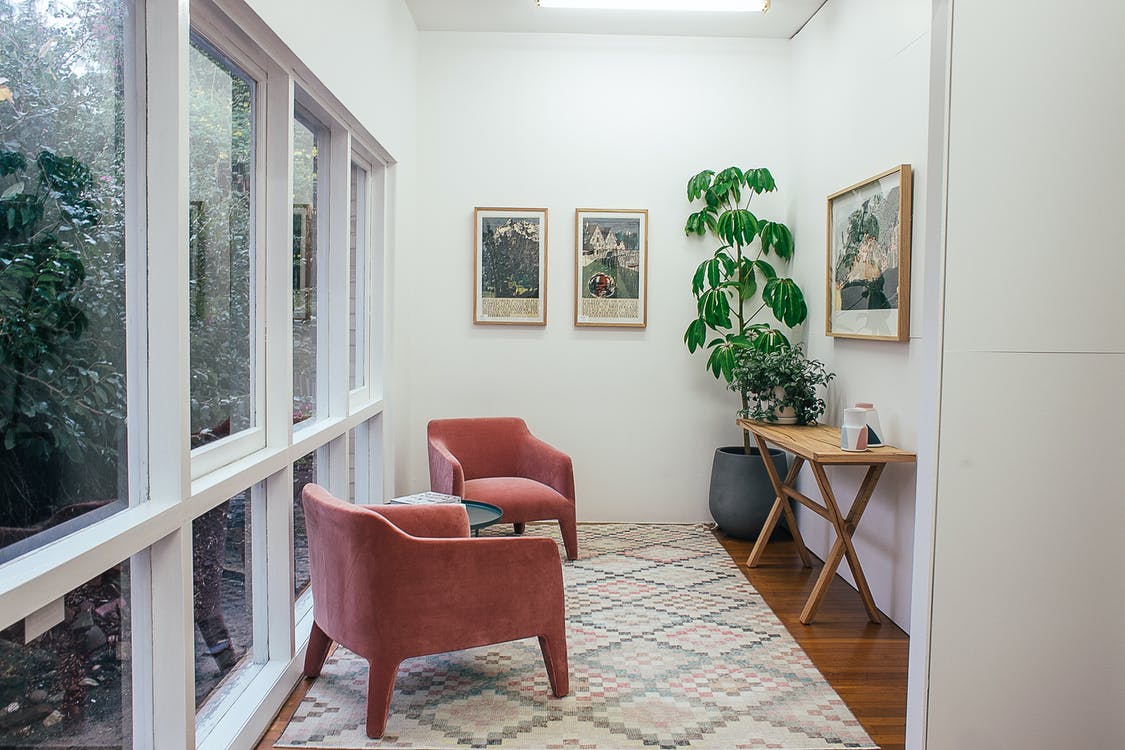
In a nutshell, walls are the best for hanging pictures and other objects, giving a viewer a glimpse of your taste and personality. The pictures on the wall also bring a sense of happiness to you. Make the best out of your favourite pictures by using these tips for hanging pictures.
Hope that the pointers of photo hanging ideas at home shared in this blog will ease your picture hanging process …!
Learn more about interior design with below articles:
Bring Your Home to Life with These Amazing Tips!
Wall of Frame! All You Need to Know About Hanging Heavy Objects
FAQs on Tips for Hanging Pictures
1. Why Is It Important to Hang Pictures Correctly on a Wall?
Hanging pictures correctly enhances the overall décor, maintains visual balance, and reflects your personality. Proper placement ensures the artwork complements furniture, lighting, and wall colour without overwhelming the space.
2. What Is the Ideal Height for Hanging Art or Pictures on a Wall?
Experts recommend hanging the centre of your artwork at eye level, roughly 57 to 60 inches from the floor. When placing pictures above furniture, keep 6 to 8 inches between the bottom of the frame and the top edge of the furniture.
3. How Can I Create a Balanced Wall Display with Multiple Frames?
Lay out the arrangement on the floor first, mix different frame sizes, and align them visually around a central horizontal line. Keep 3 to 6 inches of space between frames for a cohesive and uncluttered look.
4. What Are Some Creative Ideas for Wall Displays Besides Pictures?
You can display hats, plates, game boards, old documents, travel souvenirs, or custom canvas prints. Everyday objects arranged thoughtfully can turn a blank wall into a unique, personalised art statement.
5. Which Hooks or Fixings Are Best for Hanging Pictures on Different Wall Types?
- For solid brick walls, use brass hooks with masonry nails.
- For cavity or drywall, choose screws with proper anchors or toggle bolts.
- Always ensure fixings can bear the weight of your frame to prevent damage or accidents.
References
Jay Sacher and Suzanne Lagasa How to Hang A Picture: And Other Essential Lessons For The Stylish Home. [Online] St. Martin’s Press, 175 Fifth Avenue, New York, N.Y. 10010
Available from: https://www.google.co.in/books/edition/How_to_Hang_a_Picture/1Z8TAAAAQBAJ?hl=en&gbpv=1&dq=picture+hanging+tips+on+wall&printsec=frontcover
Author Bio
Huta Raval – An English Literature and Journalism Topper, Huta Raval has graduated from the L D Arts College, Ahmedabad. Post serving for 23 years in the NBFC and Public Library Sectors her desire for ‘writing the unwritten’ brought her to the creative field of content writing. Her clientele comprises of NGOs, Blogging Platforms, Newspapers, Academic Institutions, et al.