







Table of Contents
Quick Summary
- Most “worms” found in toilets are actually drain fly larvae or bloodworms, not true worms.
- They usually indicate organic build-up, stagnant water, or drainage problems, rather than a serious health emergency.
- In Indian homes, worms may also enter through gully traps, floor traps, cracked sewer pipes, or rarely used bathrooms, especially during the monsoon.
- Thorough cleaning, removing breeding sites, improving ventilation, and sealing plumbing defects usually solve the problem.
- If worms continue appearing after repeated cleaning or are seen in multiple drains, it may indicate a plumbing or sewer-line issue that requires professional inspection.
Courtesy - Magnific
Worms in toilet are not only unsightly, but they also indicate an underlying problem in your bathroom. So, how to get rid of worms in toilet?
If you are health-conscious and particular about cleanliness, maintaining a spotless toilet is a top priority. However, scrubbing the toilet bowl and removing plaque deposits from the grout and tiles is not the end of your toilet cleaning checklist. You must ensure your toilet remains free of all types of worms.
If you are wondering how to get rid of worms in the toilet, the first step is to identify what you are actually seeing and understand where it is coming from. Once you know the root cause, choosing the right solution becomes much easier.
This guide explains why worms appear in toilets, how to identify different types, whether they are dangerous, and the most effective ways to remove them permanently.
Why Are There Worms in My Toilet?
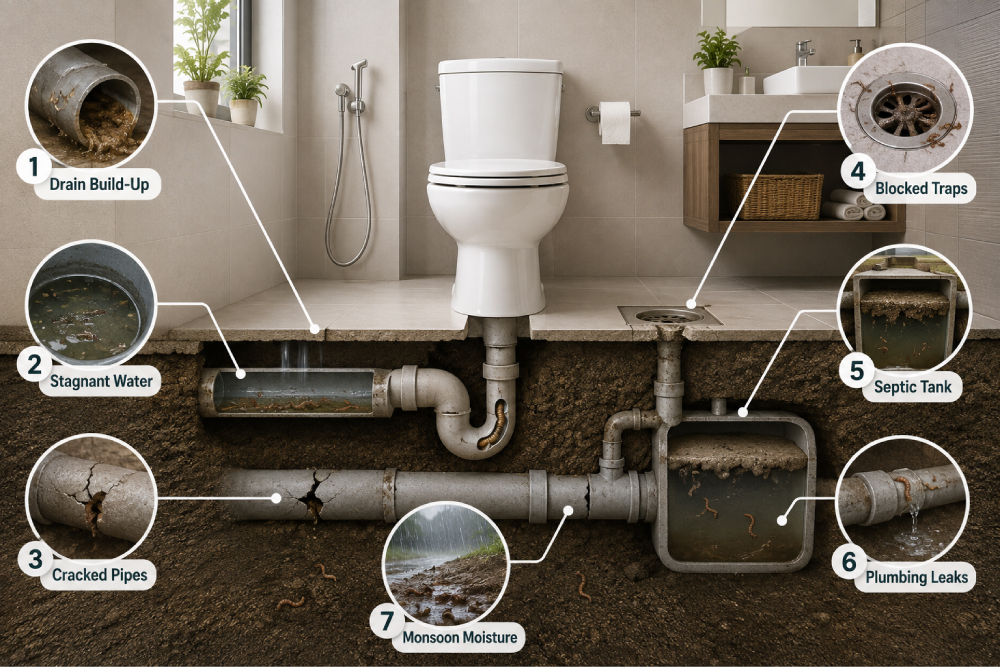
Finding worms in a toilet that appears clean often surprises homeowners. The reason is simple: the breeding site or entry point is usually inside the plumbing system, not in the toilet bowl itself.
Here are the common causes:
1. Organic Build-up Inside the Drain
Accumulation of soap residue, body oils, hair, food particles and other organic matter inside drain pipes is the most common cause for worms in toilet bowls. These deposits hide beneath the rim, inside the trapway, and along drainage pipes, creating a suitable breeding ground for drain flies. Their larvae feed on organic slime before becoming adults. That is why simply scrubbing the visible bowl often doesn’t solve the problem.
2. Stagnant Water in Rarely Used Bathrooms
Guest bathrooms and unused toilets frequently develop stagnant water inside their drains. Organic matter settles inside the trap as there is no regular flushing. This condition allows larvae to hatch and multiply comfortably. Once disturbed, they become visible in the toilet bowl or nearby floor drains. That is why it is important to run water through unused toilets every few days to prevent this issue.
3. Cracked Sewer Pipes or Drain Lines
If you notice earthworms appearing repeatedly inside the toilet, the problem could be more serious than it seems. Older underground connections develop cracks over time due to tree roots, soil movement or ageing. Earthworms living in moist soil enter these damaged pipes and eventually reach the toilet through the plumbing network. But, unlike drain fly larvae, earthworms do not breed inside toilet bowls. Their presence hints at an entry point somewhere along the drainage line.
4. Issues in Gully Traps and Floor Traps
Many bathrooms include a floor trap (nahani trap) or an external gully trap that collects wastewater before it enters the underground drainage system. When these traps contain stagnant water, sludge, lose their water seal, have broken grating or develop cracks, they become breeding grounds for insects and larvae. Worms may emerge through the bathroom floor drain even when the toilet itself is clean.
5. Septic Tank Maintenance Issues
Homes that depend on septic tanks require periodic cleaning. If ignored, excessive sludge accumulates. Organic waste remains in the system for longer periods, creating favourable conditions for insects and larvae. Although worms alone do not mean the septic tank has failed, overdue maintenance can contribute to recurring infestations.
6. Plumbing Leaks
Small plumbing leaks often remain unnoticed behind walls or beneath flooring. Constant moisture creates favourable conditions for insects while encouraging fungal growth and bacterial slime inside drainage systems. Repairing hidden leaks not only prevents structural damage but also removes one of the conditions that encourages recurring drain pests.
7. Increased Activity During the Monsoon
Homeowners notice worms suddenly appearing after heavy rainfall. That is because the groundwater level rises during monsoons, saturating the soil. Underground drainage systems remain wetter, providing a conducive environment for worms and insects to breed. Sewer gases also fluctuate, and damaged pipes become easier entry points.
Is it Really A Worm? Common Look-Alikes Explained
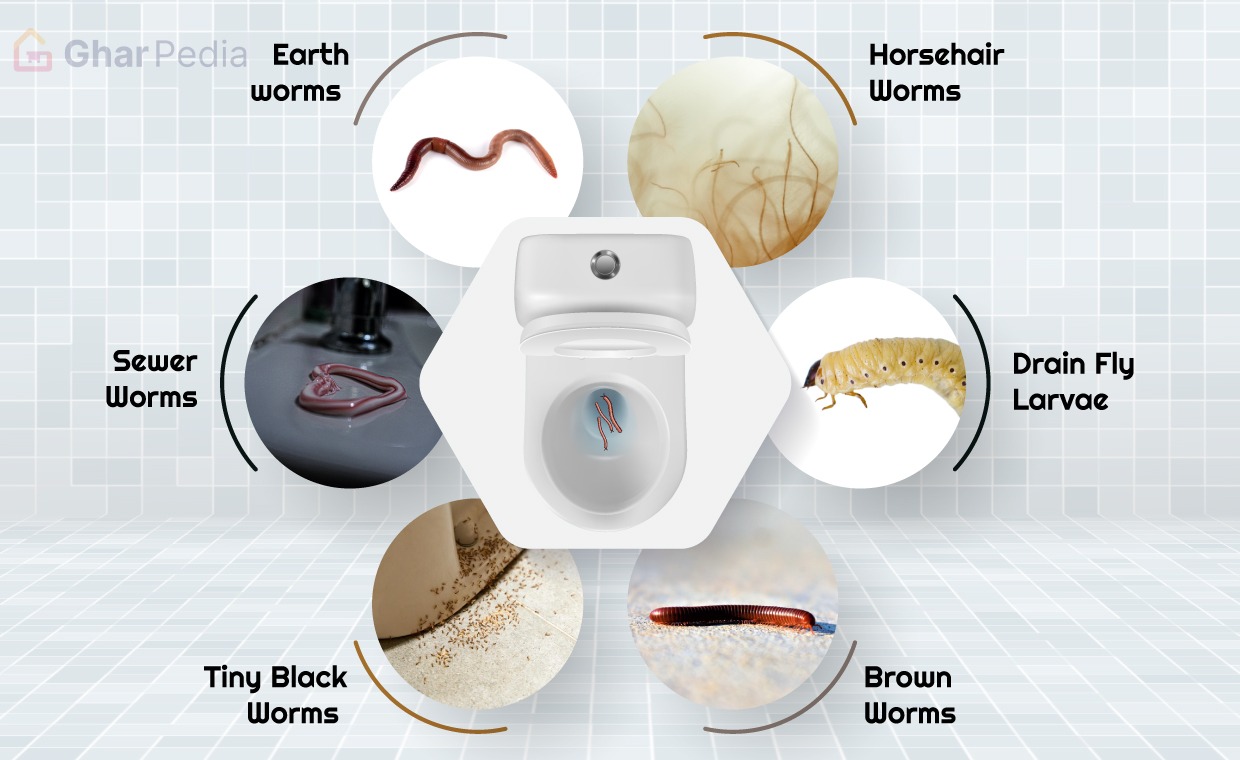
Many creepy crawlies found inside toilets are incorrectly identified as worms. Knowing what you’re dealing with helps you choose the right treatment instead of wasting time on ineffective remedies.
| Worm Type | Appearance | Usually Found | Cause | Solution |
| Drain Fly Larvae | Cream or grey, 4-10 mm | Toilet bowl, floor drain | Organic slime inside drains | Deep-clean drain and remove breeding materials |
| Bloodworms | Bright red/ pink | Standing water, drains | Organic deposits in stagnant water | Clean drain and eliminate stagnant water |
| Earthworms | Brown/reddish segmented | Toilet bowl occasionally | Cracked sewer pipe or underground drain | Inspect plumbing for damaged pipes |
| Horsehair worms | Brown/ Reddish, segmented | Toilet or bucket occasionally | Through infected insects rather than breeding indoors | Remove worm and control insect entry |
| Tiny black Larvae | Dark brown to black | Bathroom drains | Decaying organic matter | Thorough drain cleaning and improved sanitation |
1. Drain Fly Larvae
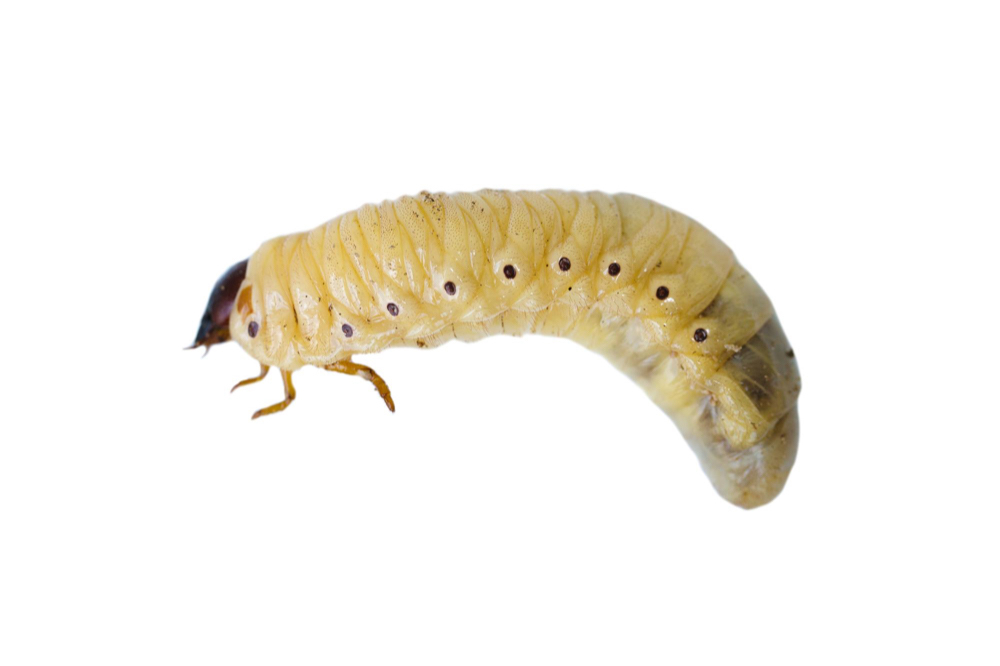
Drain fly larvaeare not actual worms; they are the larvae of moth flies. These flies breed in still water. These larvae feed on organic matter that accumulates in sewage pipes, which serve as their gateway into toilets. The presence of drain fly larvae in toilet indicates that your toilet’s sewage pipe is not adequately clean.
2. Earthworms
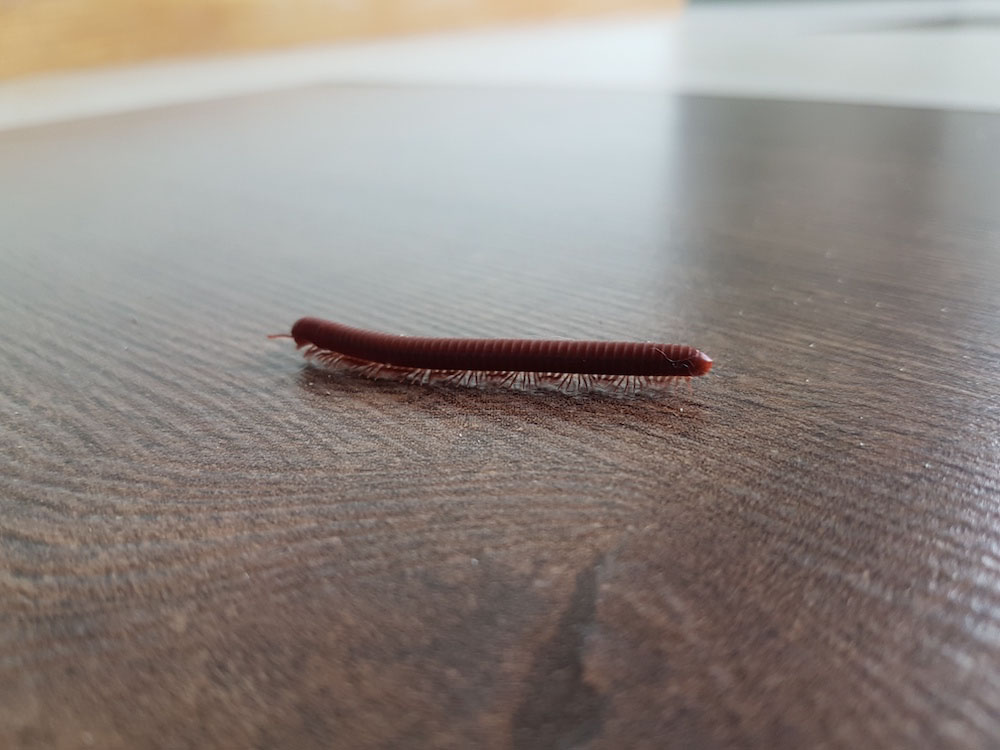
Earthworms are mostly found in soil and are generally harmless. But if these worms gain access to the plumbing system through cracked pipes or sewage leakage, they can easily make their way into toilets.
3. Bloodworms
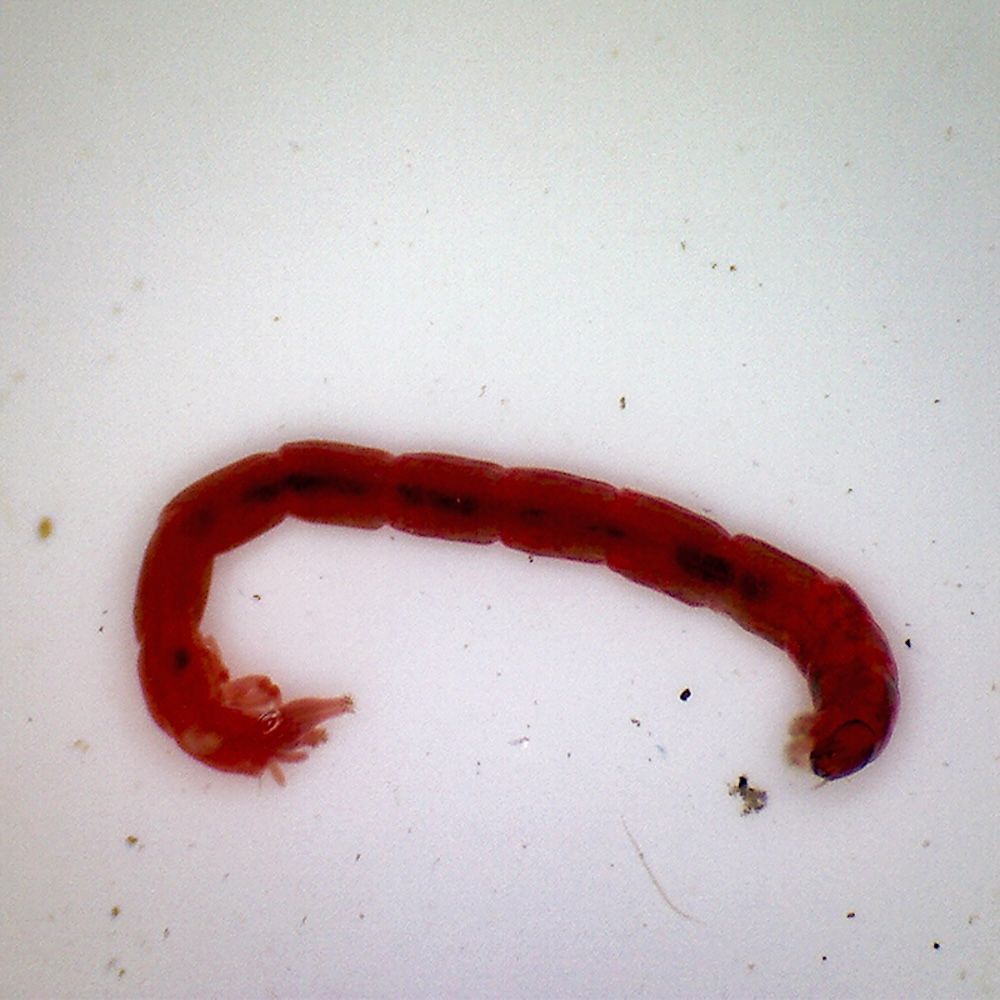
Courtesy - arboretum
Sewer worms, also known as bloodworms, are usually pink or red. They are the larvae of midge flies and serve as a sure indication of organic matter build-up in your sewage system. The presence of bloodworms in toilet suggests that the sewage line requires immediate cleaning.
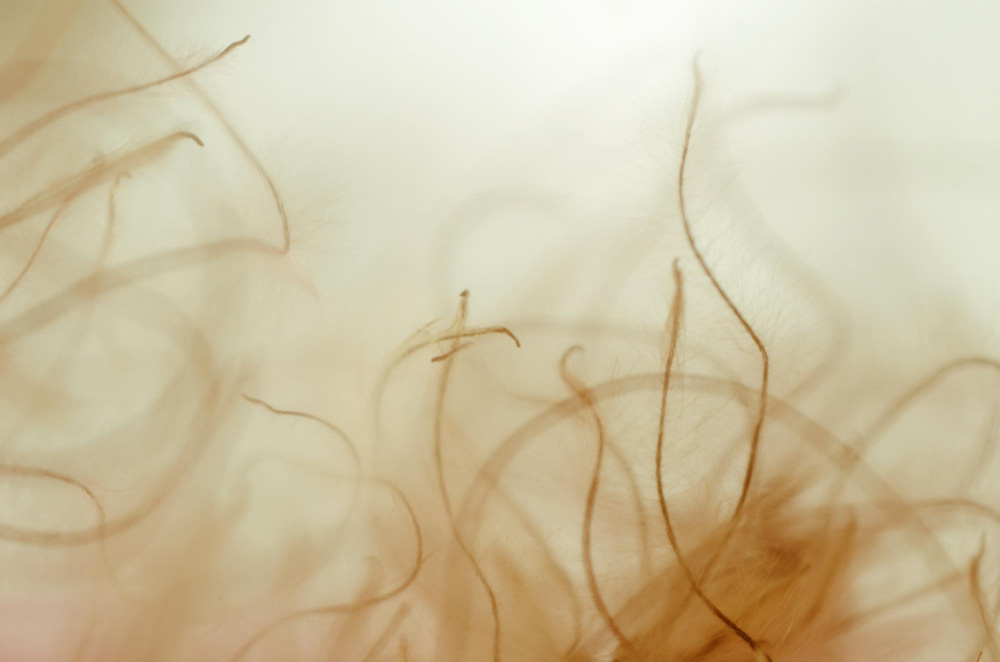
3. Horsehair Worms
Courtesy - Magnific
These worms resemble horsehair, thin, sleek, and long. They usually enter toilets through insects like crickets and cockroaches, which act as hosts. Although horsehair worms are harmless, sealing entry points and ensuring proper pest control can help prevent their intrusion.
4. Tiny Black Worms
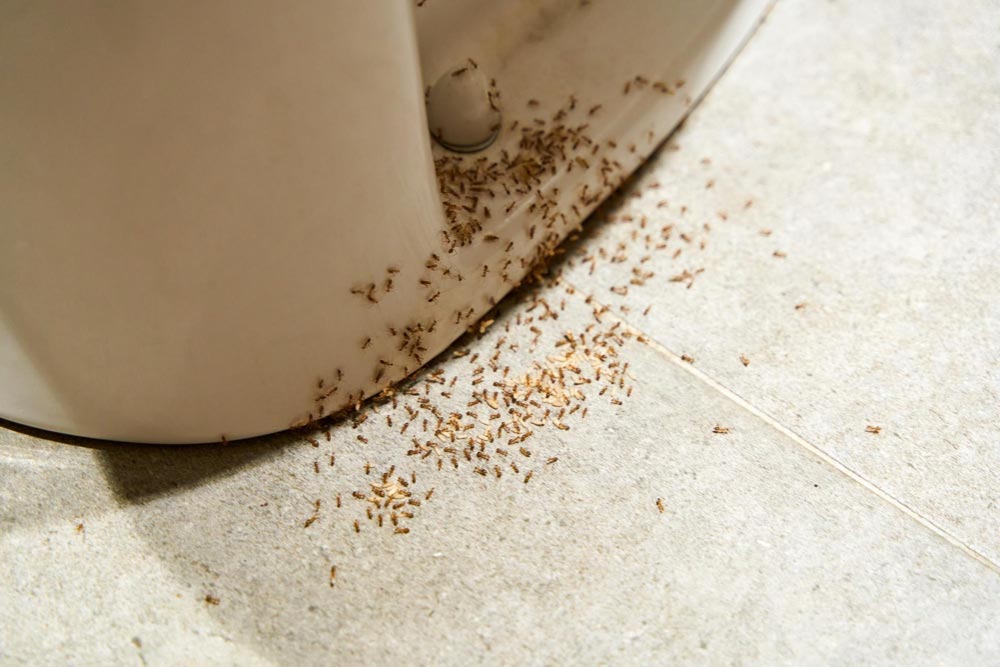
Tiny black worms are the mature drain fly larvae. They thrive with decayed organic matter, commonly accumulated in toilet drains and damaged sewage pipes. Only a professional cleaning service can remove them from your toilet.
Are Toilet Worms Dangerous?
The worms themselves are usually less dangerous than the conditions that allow them to thrive.
In most cases, drain fly larvae, bloodworms and earthworms do not bite humans or attack pets. However, they indicate excess organic matter, moisture and poor drain hygiene, all of which encourage bacterial growth inside plumbing systems.
Adult drain flies may also become a nuisance indoors if breeding continues unchecked.
The real concern is not the worms themselves but what they reveal about the condition of your drainage system.
How to Get Rid of Worms in the Toilet: Step-by-Step
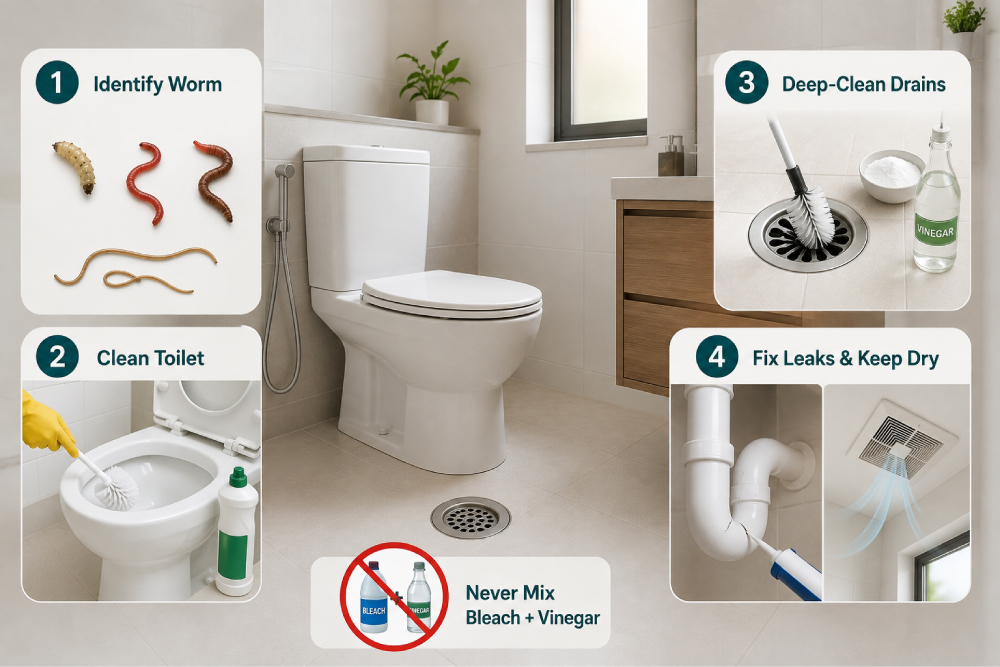
Getting rid of worms in your toilet doesn’t end with killing the ones you see. The real solution lies in eliminating the conditions that allow them to breed or enter the plumbing system.
Follow these steps:
Identify the Type of Worm
Before you chalk out a plan to tackle the worms, try to identify what you are dealing with. Cream-coloured larvae are usually drain fly larvae; red worms are bloodworms. If you frequently see earthworms or other large worms, inspect your drainage system, as they may be entering through damaged sewer pipes rather than breeding inside the toilet.
Clean the Toilet Regularly
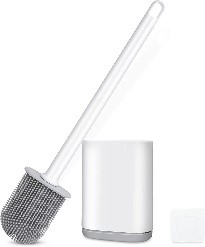
Systematic cleaning is the key to preventing worm infestations in your toilet. Use an effective toilet cleaner, a clean and dry scrubber brush and disinfectants. Do not neglect the toilet bowl’s rim or the surrounding areas, as organic deposits and grime can accumulate in less visible areas, creating a breeding ground for worms.
Deep Clean the Drains
Most drain worms breed inside drain pipes rather than in the toilet bowl itself. Therefore, the drain needs to be cleaned as thoroughly as the toilet. Here is a common suggestion: Pour a mixture of baking soda followed by white vinegar into the toilet drain or floor drain and allow it to sit for 20–30 minutes before flushing with hot (not boiling) water if your plumbing permits. This helps loosen organic deposits where larvae feed. Commercial enzyme-based drain cleaners can also be used periodically to break down biofilm without damaging pipes.
Safety Tip: Never mix bleach with vinegar, ammonia, or any other household cleaner. Combining these chemicals can release toxic gases that are harmful to your health.
Keep an Eye on Your Plumbing Line
Take good care of your plumbing system. Stay alert for any leaks or cracks in the pipelines. Ensure your home is properly sealed to restrict worms from entering your safe space. If you find any leak or crack in the plumbing system, call a plumber immediately.
Eliminate Moisture and Improve Ventilation
Drain worms thrive in damp environments. Keep the bathroom dry by repairing plumbing leaks, using an exhaust fan, and opening windows whenever possible. Bathrooms that remain dry are far less likely to support insect breeding.
How to Get Rid of Different Types of Toilet Worms
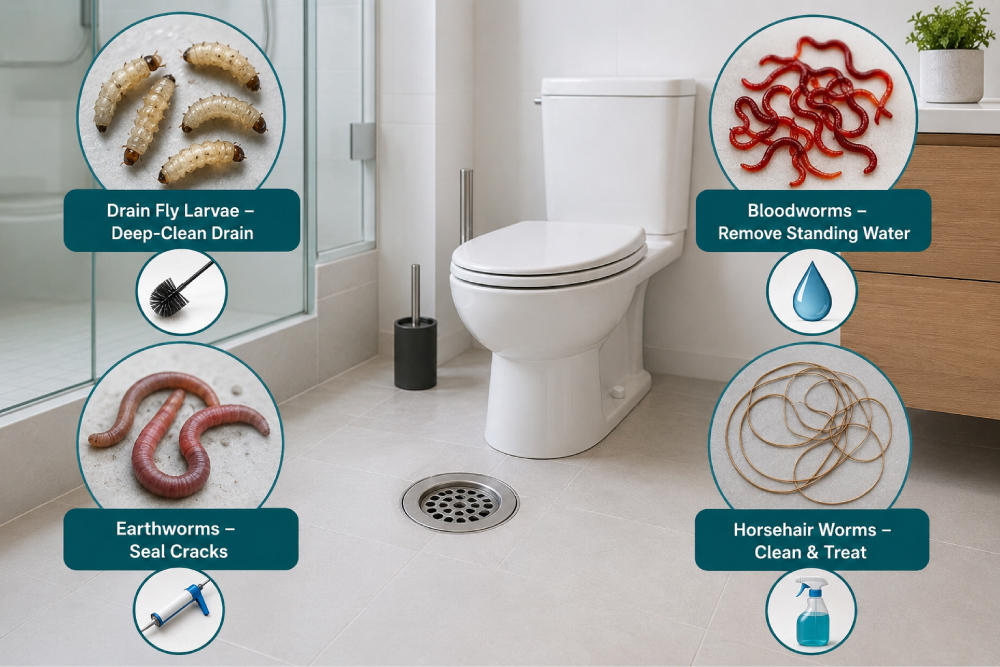
Although the cleaning process is quite similar, different worms require slightly different approaches.
Drain Fly Larvae
They feed on organic slime inside drains. Hence, focus on deep-cleaning the drain rather than just the toilet bowl. Continue cleaning for several days to get rid of remaining eggs and larvae.
Natural Remedy
- Mix one cup of vinegar, baking soda ½ cup, and salt½ cup.
- Pour the mixture into the drain and leave it overnight
- In the morning, pour boiling water down the drain to sterilise the area and kill any remaining larvae.
- Repeat the process after a week if you notice drain flies or larvae.
Bloodworms
Stagnant, nutrient-rich water inside the drainage system welcomes bloodworms. Clean the toilet, floor drain, and nearby plumbing and ensure there is no standing water left in the bathroom.
Natural Remedy:
- Mix 1/3 cup of baking soda with a cup of vinegar. Fill this mixture into a spray bottle. Ensure you have prepared enough mixture based on your requirements.
- Spray the solution generously on drains and toilet surfaces.
- Rinse the area with boiling water to remove any remaining organic matter.
Earthworms
If earthworms are entering the toilet, you must focus on identifying and sealing the entry point rather than repeatedly treating the visible worms.
You can sprinkle powdered salt, toilet cleaner or curry salt to get rid of earthworms from your toilet. But that won’t help much if the problem is a cracked or damaged drainage line. The best way to keep them away is to seal the cracks in the plumbing system.
Horsehair Worm
You can get rid of horsehair worms with a simple DIY solution. Mix baking soda and vinegar and spray the solution when you suspect an infestation. This will kill any eggs and prevent the reappearance of these parasites.
If you are wondering how long it takes to get rid of drain worms, visible worms disappear immediately after cleaning. But eliminating the infestation takes longer because eggs and larvae may remain inside the drain.
Allow a period of two to three weeks to eliminate them. But if they continue to appear, you must know that either breeding sites have been missed or there is an underlying plumbing problem that needs professional intervention.
When Should You Call a Plumber?
Courtesy - Magnific
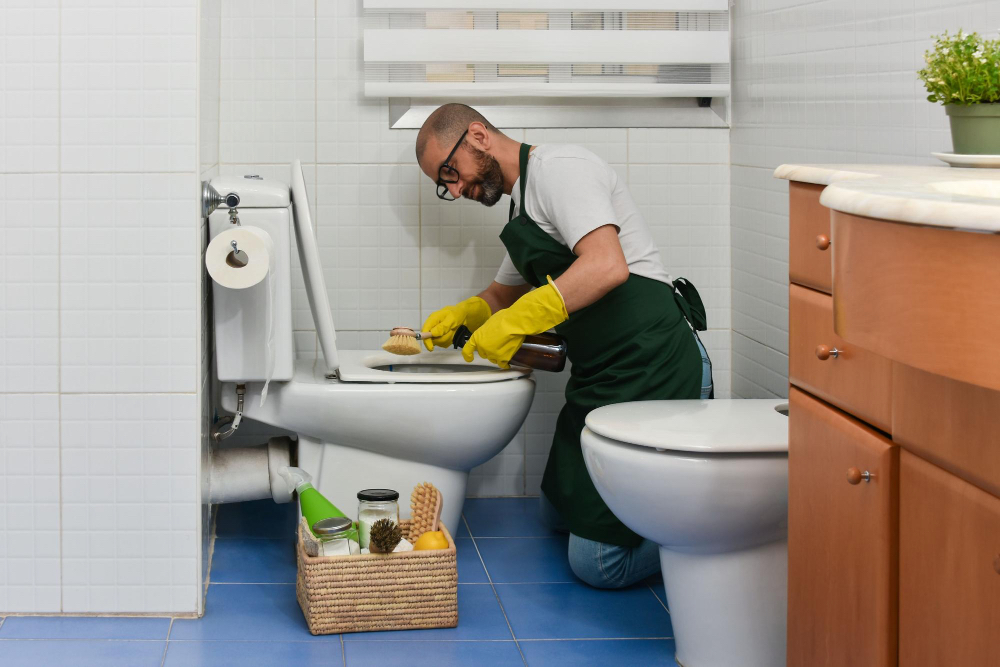
DIY cleaning works only for minor infestations, and some situations require professional inspection.
Call a plumber if:
- Worms continue appearing even after two or three deep-cleaning cycles
- Worms are emerging from multiple drains or bathrooms
- Foul sewer odours accompany the infestations
- Toilets or floor drains drain slowly or get clogged frequently
- You suspect cracked sewer pipes, damaged gully traps or a failing septic system.
Worms in a toilet are a clear sign that either the toilet is not well-maintained or there are some plumbing issues that need attention. Regular deep cleaning of the toilet bowl, along with periodic inspection and cleaning of sewage pipes, can help prevent the entry of pesky worms. If worms continue to appear despite regular cleaning and good hygiene, professional plumbing inspection is the safest way to identify and address the underlying cause.
Read More: 9 Smart Tips to Eliminate Bathroom & Toilet Smells From Your House
FAQs on Getting Rid of Worms from the Toilet
1. How Do I Permanently Get Rid of Drain Worms?
If your drains haven’t been maintained for a while, the first step is to clean them using a commercial drain cleaning solution. Alternatively, you can try a mixture of baking soda and white vinegar. This solution helps break down and remove the organic material buildup inside the pipes.
2. Are Drain Worms Harmful?
Drain worms do not bite or transmit blood-borne diseases to humans, unlike some other insects. However, the health risk lies in their origin. They thrive in dirty, bacteria-rich environments. If they emerge from sink drains, they can potentially spread bacteria and contaminate food surfaces.
3. How Often Should I Clean Drains?
- Kitchen drains: Clean monthly to prevent grease and food buildup.
- Bathroom drains: Clean every three to four months, as hair and soap scum tend to accumulate. Main sewer line: Clean annually to avoid major blockages or backups.
4. Can worms enter through a squat toilet or bathroom floor drain?
Yes. In Indian homes, worms can sometimes enter through damaged floor traps, gully traps, or underground drainage lines. This can happen even if the toilet itself is clean, making regular inspection of the entire drainage system equally important.
5. Is bleach or vinegar better for getting rid of drain worms?
Both have different uses. Vinegar helps loosen organic deposits when used correctly, while bleach acts as a disinfectant. Never mix bleach with vinegar or any other cleaning chemicals, as doing so can release harmful gases.
6. Do worms in the toilet mean my septic tank needs cleaning?
Not always. Worms are more commonly caused by organic build-up inside drains. However, if your septic tank has not been serviced for a long time and worms continue appearing despite cleaning, it is worth having the system inspected.
Here’s a video to sum up all the points mentioned above
Author & Expert Review
Written By:  Nidhi Patel | Civil Engineer & Content Writer

| Credentials: B.E. (Mahatma Gandhi Institute of Technical Education and Research Centre), Registered with Gujarat Technological University (GTU). Experience: Civil Engineer with 3+ years of content writing experience, currently writing blogs for Gharpedia, part of SDCPL. Expertise: Specializing in SEO-optimized blogs and long-form articles focused on home improvement, construction, interiors and architect topics. I create well-researched, reader-focused content that balances technical accuracy with clarity, making complex subjects easy to understand. Find her on: LinkedIn |
Verified By Expert: Farhan Shaikh – Senior Manager – Architect, SDCPL | Associate Member – IIA

This article has been reviewed for architectural and interior design accuracy by Farhan Shaikh, Senior Manager – Architect at Sthapati Designers & Consultants Pvt. Ltd. As the lead for all architectural and interior projects at SDCPL and an Associate Member of the Indian Institute of Architects (IIA), he brings hands-on experience in architectural planning, interior design, project coordination, and sustainable strategies. His review ensures the content reflects practical design considerations, industry best practices, and real-world applicability across both architecture and interior spaces.
Find him on : Linkedin