






Table of Contents
Quick Summary
- Modern US buildings are increasingly blending traditional architectural design with smart technology to achieve efficiency, sustainability, and comfort.
- Traditional design offers climate responsiveness, durability, and cultural identity, while modern systems enhance performance through automation and data-driven control.
- Traditional and modern architecture integration allows buildings to maintain their historic charm while adapting to contemporary needs.
- From energy efficiency to adaptive environments, the combination delivers measurable benefits.
- However, challenges such as structural limitations, regulatory constraints, and design balance must be addressed.
- Overall, this hybrid approach represents the future of architecture – where heritage and innovation coexist to create smarter, more resilient built environments.
Traditional building design and smart technology are often treated as separate approaches, yet today they are increasingly combined through traditional and modern architecture integration across the US to create more efficient and adaptable spaces. Traditional design principles already offer solutions for climate control, durability, and comfort, while modern systems add precision and responsiveness.
Instead of replacing one with the other, the focus is shifting toward integration that improves performance without losing character. What happens when buildings can both respect their origins and respond intelligently to modern demands? The result is a more balanced approach that supports sustainability, usability, and long-term value.
Why Traditional Building Design Still Matters Today
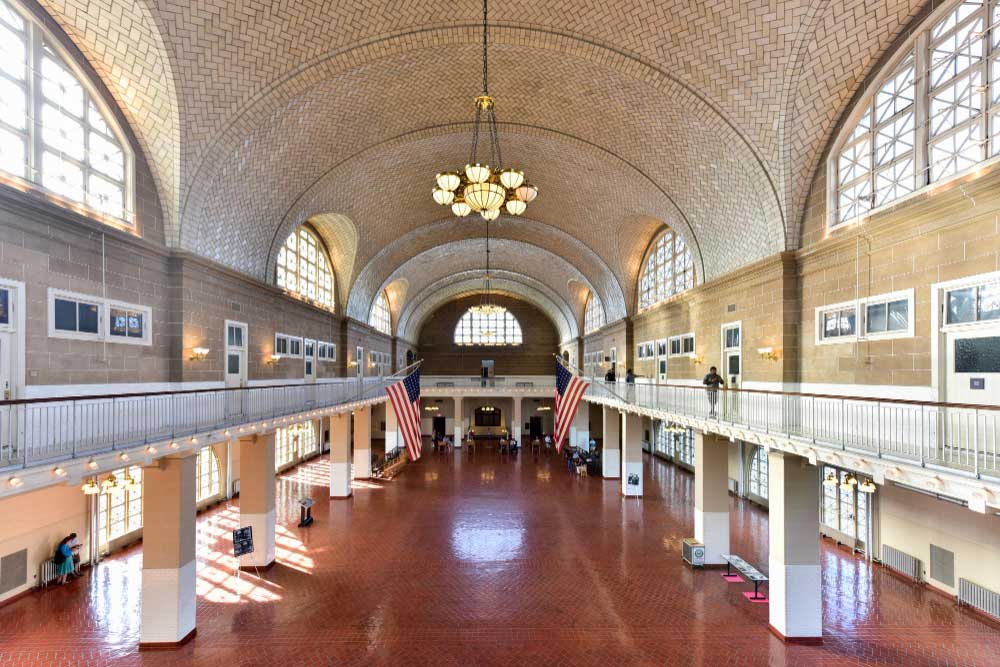
Traditional building design continues to matter because it was developed in direct response to local climates, materials, and daily living patterns. Homes built with brick, wood, or stone often perform well over time because these materials naturally regulate temperature and withstand environmental stress.
In many parts of the US, older designs incorporate features like deep overhangs, thick walls, and cross-ventilation that reduce the need for mechanical systems. These elements weren’t added for style, they were practical solutions shaped by experience. As a result, many traditional buildings remain comfortable and functional decades or even centuries after they were built.
There is also a cultural and architectural value that modern construction sometimes overlooks. Styles like colonial, craftsman, and ranch homes reflect regional identity and historical context, which can’t easily be replicated with standardized designs.
Also Read: Glance Over Architectural Styles through the Ages
Why do so many homeowners still prefer these styles even when newer options are available? Part of the answer lies in their proven durability and familiarity. Traditional design often prioritizes long-term use rather than short-term efficiency, which aligns well with today’s growing focus on sustainability and resilience.
What Smart Technology Actually Adds to a Building
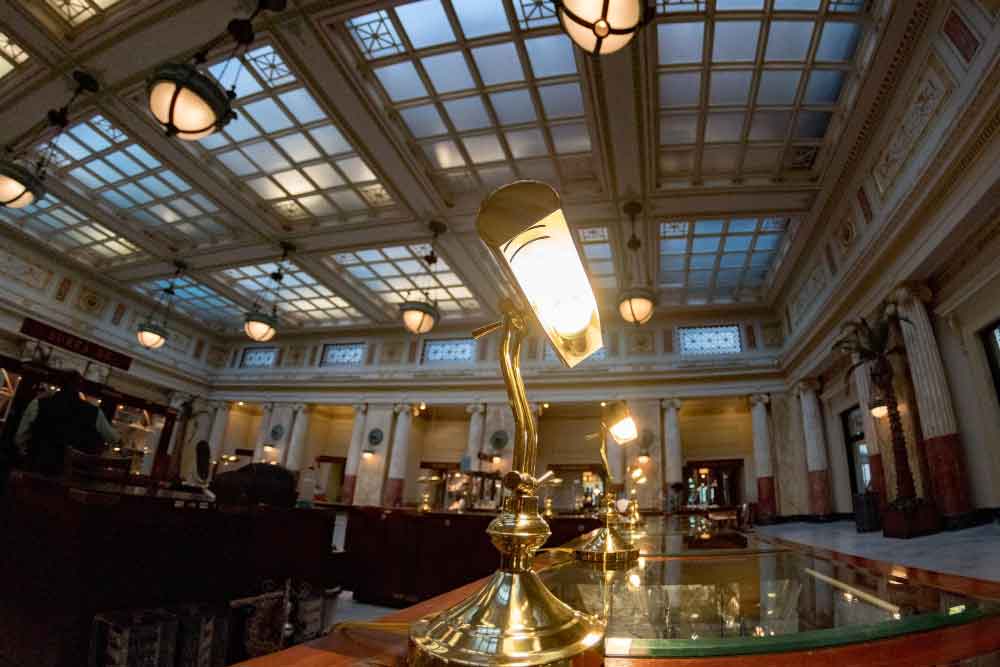
Smart technology introduces a level of control and responsiveness that traditional buildings were never designed to provide. Systems for lighting, heating, cooling, and security can now adjust automatically based on occupancy, time of day, or environmental conditions.
This reduces energy waste and improves comfort without requiring constant manual input. Instead of relying on fixed schedules, buildings can respond dynamically to how they are actually used. Over time, this leads to more efficient operation and lower overall costs.
Another key advantage is the ability to collect and use data. Sensors can monitor temperature, humidity, air quality, and energy consumption in real time, allowing systems to make precise adjustments. What happens when a building can “learn” how people use it throughout the day? It becomes more efficient without sacrificing comfort.
Remote access through mobile devices also gives users more flexibility, making it easier to manage systems even when they’re not on-site. These capabilities shift buildings from static structures into adaptable environments.
Where Traditional and Modern Architecture Integration Works Best
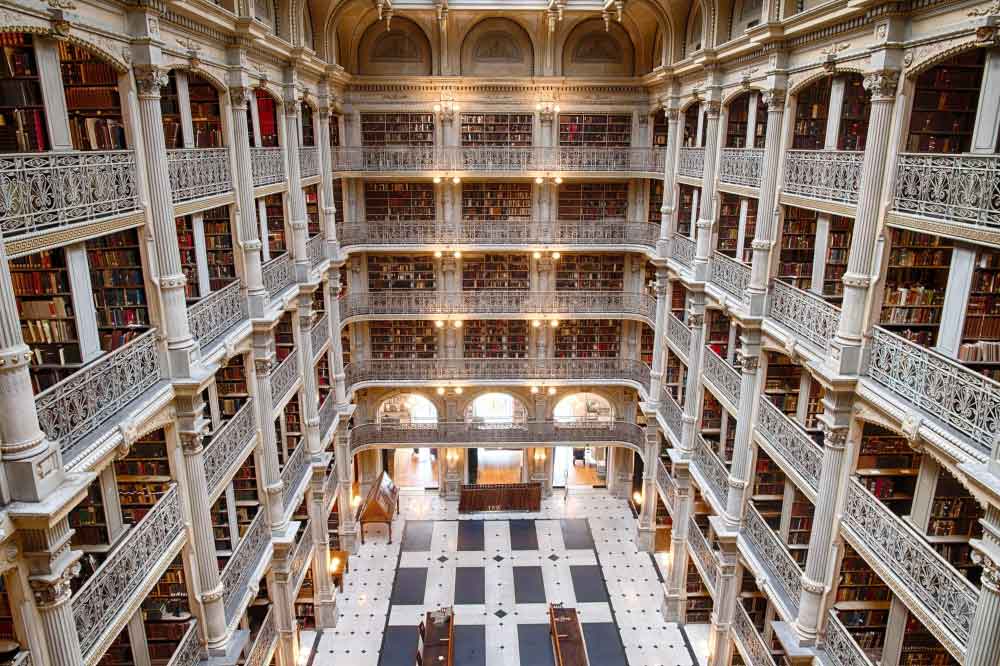
Traditional design and smart technology often complement each other more naturally than expected. Passive design strategies, such as natural ventilation and daylighting, can be enhanced with sensors that fine-tune airflow or adjust shading devices.
Instead of replacing these features, smart systems make them more effective. This approach respects the original design while improving performance. It also reduces the need for energy-intensive systems to do all the work.
Retrofitting older buildings with modern technology has become a practical way to bridge the gap between past and present. Non-invasive upgrades, like wireless sensors or discreet control systems, allow improvements without altering the building’s structure.
How can you modernize a historic home without compromising its character? By focusing on solutions that work in the background rather than dominate the space. This balance makes it possible to preserve architectural identity while still meeting modern expectations for comfort and efficiency.
Energy Efficiency: Where the Real Benefits Show Up
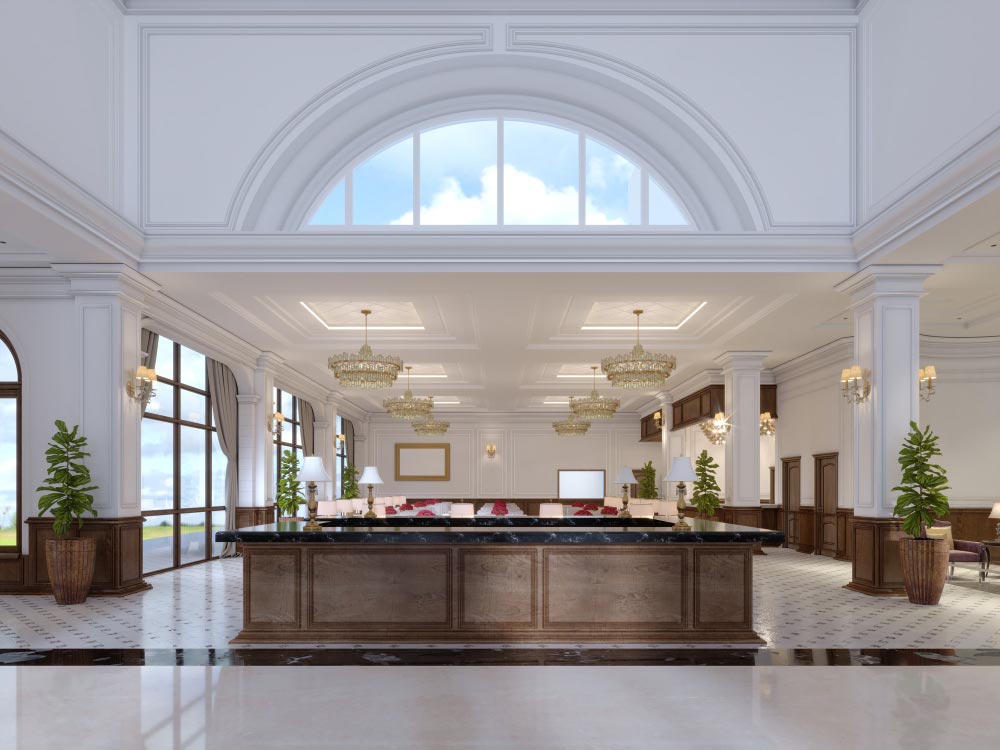
Energy efficiency is where the combination of traditional design and smart technology delivers the most measurable results. Traditional buildings often rely on orientation, insulation, and material choices to maintain stable indoor conditions.
When these features are paired with smart thermostats and automated systems, the building can maintain comfort with minimal energy use. This reduces reliance on constant heating or cooling. In some systems, even small infrastructure choices, like using gate valves to control water flow, can support better efficiency and easier maintenance over time.
Smart monitoring systems also provide insights that were previously unavailable. Instead of guessing where energy is being wasted, building owners can track usage patterns and make targeted improvements. What if you could identify exactly which part of your building is consuming the most energy?
This level of detail allows for more informed decisions and better long-term planning. When combined with renewable energy sources, even traditional structures can achieve modern efficiency standards without major structural changes.
The Challenges of Mixing Traditional Design with Modern Tech
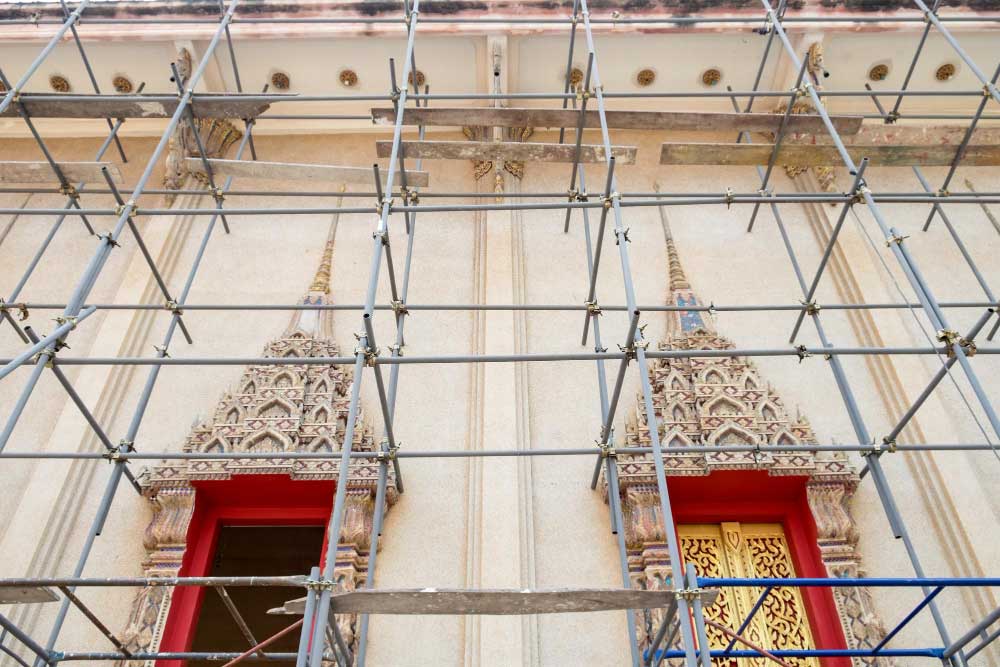
Despite the benefits, combining traditional design with smart technology is not always straightforward. Older buildings often have structural limitations that make installation more complex. Wiring, insulation, and layout constraints can limit where and how systems are added. In some cases, upgrades require careful planning to avoid damaging original features. This can increase both time and cost.
There are also compatibility and regulatory challenges to consider. Not all modern systems are designed to work seamlessly with older construction methods. What happens when new technology conflicts with preservation requirements? In historic districts, strict regulations can limit the types of modifications allowed.
Balancing these constraints with the desire for modernization requires thoughtful design and collaboration between multiple professionals. Without careful planning, the integration process can become inefficient or overly expensive.
Design and Aesthetic Balance
Maintaining the visual integrity of a traditional building is often just as important as improving its functionality. Smart technology must be integrated in a way that does not disrupt the original design. This means using hidden wiring, compact devices, and systems that blend into the background.
The goal is to enhance the building without drawing attention to the technology itself. When done correctly, the upgrades are almost invisible.
Design decisions also play a key role in achieving this balance. Materials, finishes, and layouts should remain consistent with the building’s original style. How do you introduce modern features without making a space feel overly mechanical? By prioritizing subtlety and restraint.
Over-automation can make a space feel less natural, so it’s important to focus on features that genuinely improve comfort and usability. This approach ensures that the building retains its character while benefiting from modern advancements.
The Future of Blended Building Design
The future of building design in the US is likely to involve even closer integration between traditional principles and advanced technology. Artificial intelligence is expected to play a larger role in managing building systems, allowing for more precise control and automation.
At the same time, there is growing interest in preserving existing structures rather than replacing them. This shift reflects both environmental concerns and a desire to maintain cultural identity.
New materials and construction methods will also influence how buildings are designed and updated. Smart materials that respond to temperature, light, or moisture could enhance traditional designs without altering their appearance.
How far can this integration go before the line between old and new disappears? The goal is not to replace tradition but to support it with better tools. As these technologies continue to evolve, buildings will become more efficient, adaptable, and aligned with both past and future needs.
Conclusion
Traditional and modern architecture integration is not about choosing between past and future, but about using both to create better-performing buildings. This approach allows structures to remain culturally relevant while becoming more efficient, adaptable, and easier to manage.
Careful integration ensures that technology enhances rather than overwhelms the original design, preserving both function and identity. Is it possible to modernize buildings without stripping away what makes them meaningful? When done thoughtfully, the answer is yes, and it points toward a more practical and sustainable direction for building design in the US.
Also Read: Role of Conservation in Preserving Cultural Heritage!
Traditional and Modern Architecture Integration FAQs
1. Why is traditional architecture still relevant today?
Traditional architecture is designed based on local climate, materials, and lifestyle, making it naturally efficient and durable.
2. What role does smart technology play in modern buildings?
Smart technology automates lighting, HVAC, and security systems, improving efficiency, comfort, and energy savings.
3. Can old buildings be upgraded with modern technology?
Yes, through retrofitting techniques like wireless sensors and non-invasive systems, older buildings can be modernized.
4. What are the biggest challenges in combining old and new designs?
Structural limitations, regulatory restrictions, and maintaining aesthetic integrity are key challenges.
5. How does this integration improve energy efficiency?
It combines passive design strategies with smart systems to reduce energy consumption and optimize performance.
Author & Expert Review
Written By:  Nidhi Patel | Civil Engineer & Content Writer

| Credentials: B.E. (Mahatma Gandhi Institute of Technical Education and Research Centre), Registered with Gujarat Technological University (GTU). Experience: Civil Engineer with 3+ years of content writing experience, currently writing blogs for Gharpedia, part of SDCPL. Expertise: Specializing in SEO-optimized blogs and long-form articles focused on home improvement, construction, interiors and architect topics. I create well-researched, reader-focused content that balances technical accuracy with clarity, making complex subjects easy to understand. Find her on: LinkedIn |
Verified By Expert: Mansi Shah – Architect & Architectural Content Writer, SDCPL | B.Arch.
 Mansi Shah – Architect & Architectural Content Writer,
 This article has been reviewed for architectural and interior design accuracy by Mansi Shah, an Architect associated with Sthapati Designers & Consultants Pvt. Ltd. (SDCPL). With over 25 years of professional experience in architectural planning, design development, detailing, and on-site execution of residential, commercial, and institutional projects, she brings deep expertise in architecture and interior planning, material selection, construction practices, and building bylaws. Her review ensures the content reflects practical design principles, interior space efficiency, and industry-aligned architectural standards.
Find her on: LinkedIn