Table of Contents
Quick Overview
Here is the quick overview of 3D Furniture Configurator:
- A 3D furniture configurator is an interactive tool that lets users design and customize furniture in a realistic 3D environment.
- You can rotate, resize, and modify materials, colours, and structural elements before purchasing.
- The tool enables deep personalization, including fabric, wood finishes, storage options, and modular layouts.
- It supports sustainable, made-to-order production, reducing overstock and waste.
- Real-time price updates and visual previews improve the furniture shopping experience.
- Technologies like WebGL, parametric modelling, and cloud rendering power the realistic visuals and smooth interaction.
The days of browsing through large furniture stores, with a tape measure in hand and a prayer in your heart that the couch will work, are quickly disappearing. Technology has created the bridge between reality and imagination in the modern age of home improvement. In this new era, using a 3D furniture configurator is no longer a luxury but a necessity for anyone looking to design, customize, and refine every bit of their decor before it is turned into an actual product.
To homeowners and interior lovers, the search for the ideal living space is often at a dead end: mass-produced furniture hardly suits an individual life. This high-capacity digital application is shifting the power from the manufacturer to the consumer, acting not as a mere colour picker but as a full-fledged design engine.
What is a 3D Furniture Configurator?
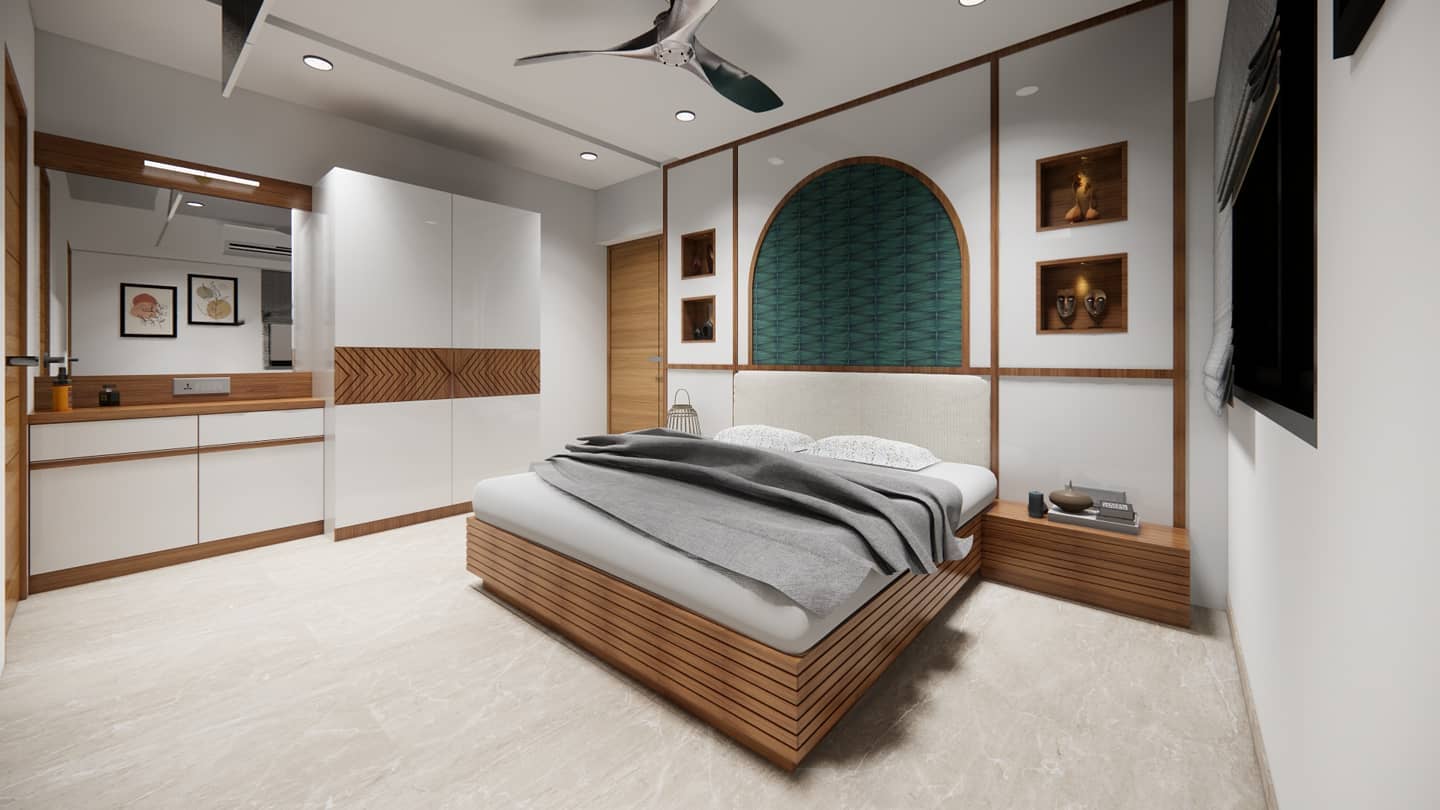
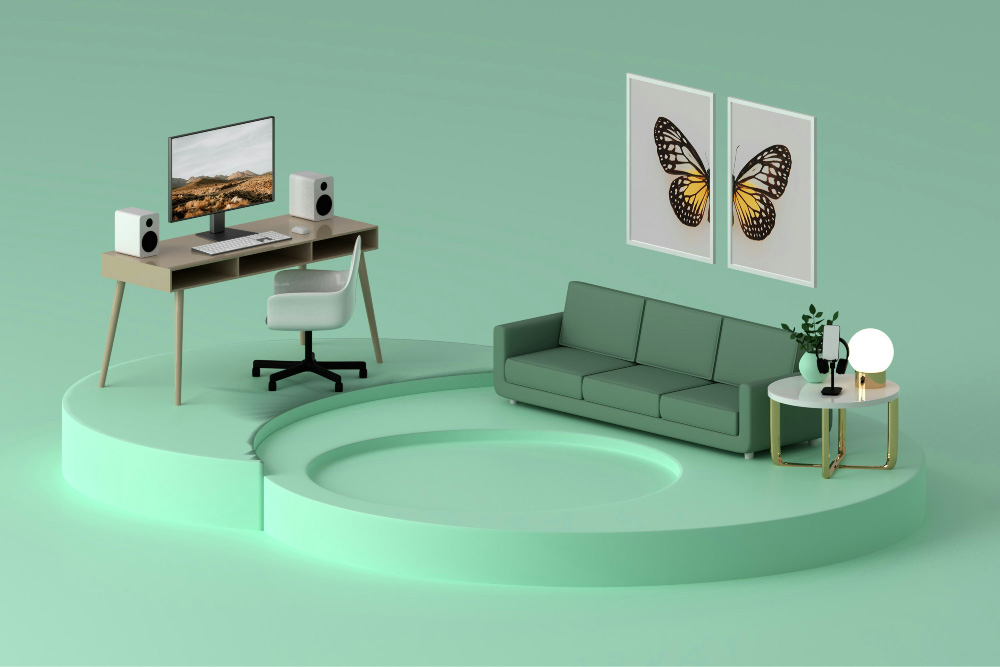
Fundamentally, a 3D furniture configurator is an interactive computer application that enables a user to design furniture in the three-dimensional environment. They can give a 360-degree perspective of the object, unlike simple 2D drawings or other types of objects that are not moving. You can also switch fabrics, modify wood finishes, scale dimensions, and even switch structural options such as armrest style or leg height. The magic is achieved with the help of high-fidelity rendering. The photorealistic textures applied by modern configurators allow one to see the exact grain of oak or the feel of the weave of linen.
Solving the “Will it Fit?” Dilemma
Spatial proportion is one of the most severe concerns in home design. A king bed may look beautiful in a spacious showroom but feel oversized in a small suburban bedroom. Through a configurator, you can key in the dimensions of your room. This enables you to observe the actual size of the work.
Even more sophisticated models use AR, where you can literally come up to your room with your smartphone camera and place the digital representation of your ordered chair. This gets the guesswork out and guarantees that the flow of movement, or Vastu or Feng Shui, of your home is not disrupted.
The Power of Personalization
It is the era of cultivated identity. Our personalities are a continuation of our homes. There is no need to be content with a plain gray sectional when you can create your own sectional with your particular taste.
- Material Harmony: Have your new dining table perfectly match the current hardwood floors.
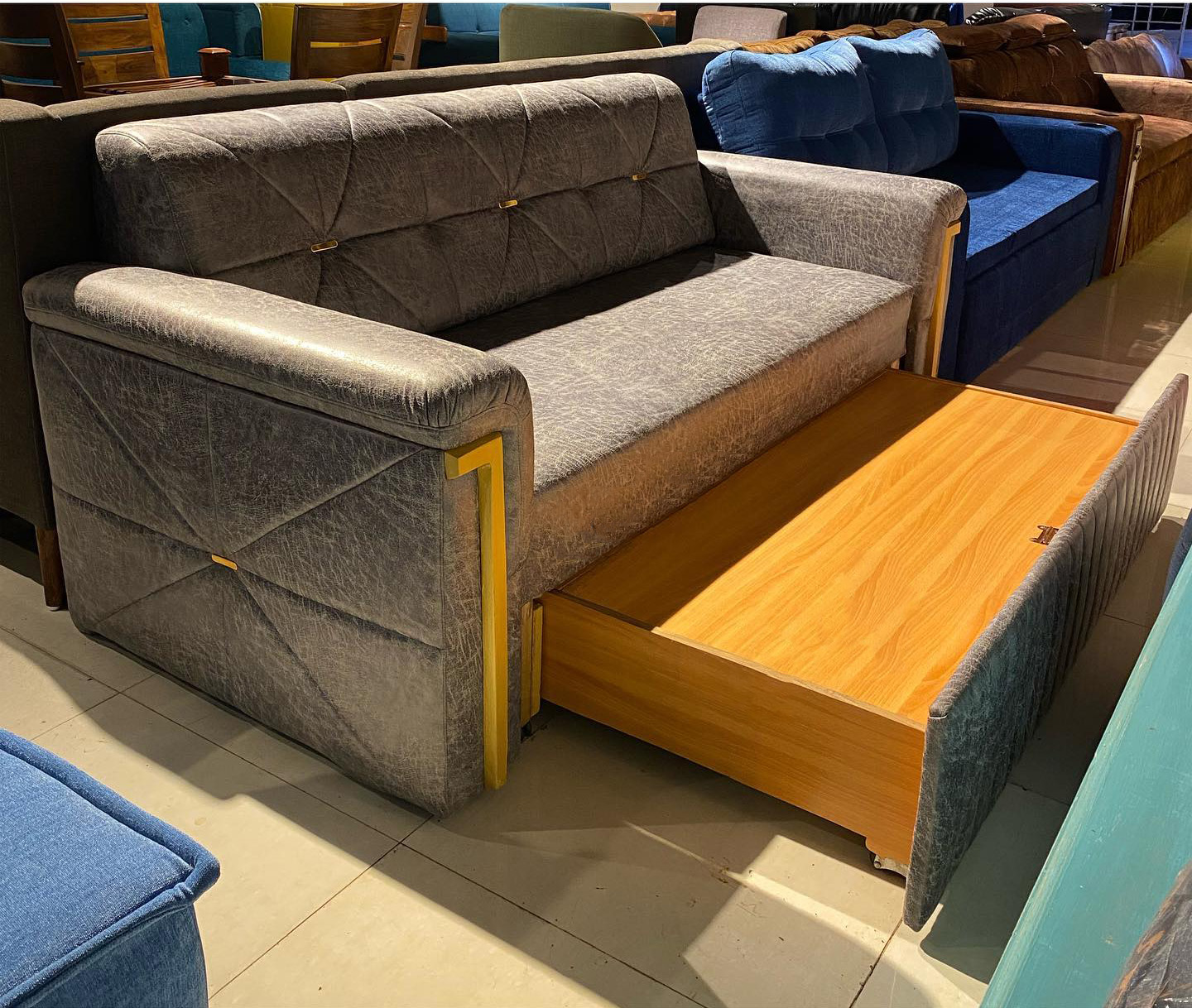
- Functional Customization: Add another storage drawer to a bed frame or select a modular couch setup that matches your family’s movie-viewing preference.
- Colour Psychology: You can experiment with bold ochres or soothing teals without an unforgivable error.
The 3D furniture configurator is based on the democratization of high-end bespoke design so that custom-made pieces are available to a broader range of people, making them accessible and discounting the cost of hiring an architect.
Sustainability and “Made-to-Order”
Besides aesthetics, there is also an environmental reason to use the customization tools. The traditional furniture business depends on mass production, and it may result in overstocking and wastage. You are engaging in a pull-based supply chain when you are using a configurator.
The product is not produced until the design has been completed. This saves the carbon footprint of warehousing and minimizes the chances of the piece being disposed of as it somehow just failed. To the eco-conscious house owner, digital configuration would be a move toward a more conscious lifestyle.
Enhancing the Shopping Experience
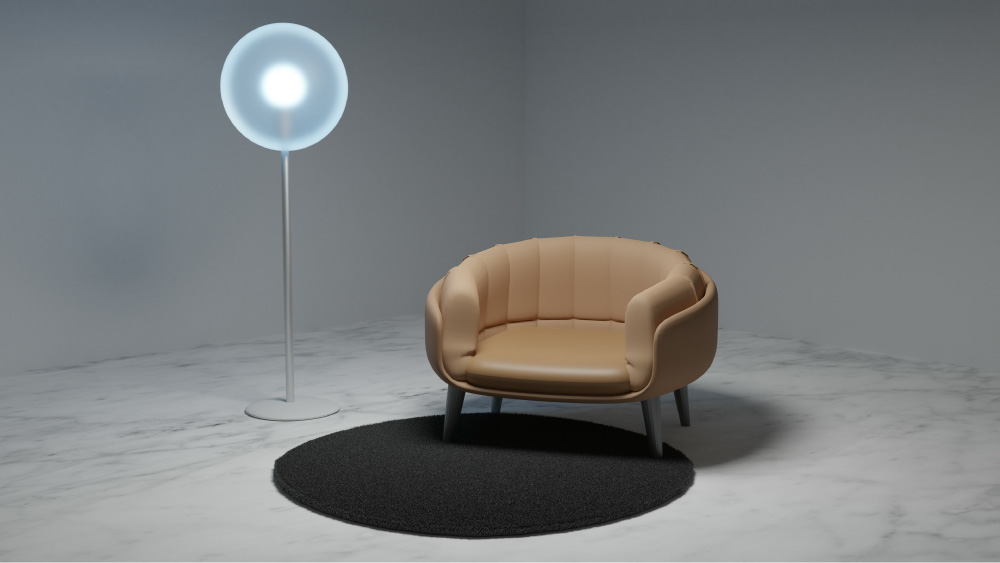
Furniture shopping was a tiring affair on a weekend. It is now a dynamic, inspiring process. The psychological advantage of making your own furniture results in greater satisfaction. One gets the feeling of ownership and pride in a work they helped design. Moreover, these tools give real-time pricing transparency. The price changes dynamically as you add any premium leather or increase the length of a cabinet. This will enable the management of the budget to be done better, and there will be no sticker shock at the checkout counter.
The Technical Edge: How it Works
In the interest of those who want to know how the “behind-the-wow” works, 3D configurators are based on a number of important technologies:
- WebGL: This gives the 3D graphics the ability to run fully in your web browser without the need for large plugins.
- Parametric Modelling: This is to make sure that when the width of a table is varied, the legs move in line with the change to make the design structurally sound.
- Cloud Rendering: The lighting and shadows are calculated by using high-speed servers to make the fabric appear as though you can reach and touch the fabric.
Conclusion
The combination of AI and 3D modelling will get more profound as we study the future of living spaces. It is not long before we can find configurators that recommend the furniture based on your photos of the room you uploaded. At this point, the 3D furniture configurator is perhaps the most important tool for anyone who wants to blur the line between a house and a home. These digital tools can be used to make sure that every square inch of your home is your own vision, your needs, and your unique style.
Also Read: 5 Effective Digital Tools for Interior Design Enthusiasts
FAQs on 3D Furniture Configurator
1. How does a 3D Furniture Configurator Help You?
It allows you to visualize furniture, adjust sizes, change materials, and see how pieces will look and fit in their rooms.
2. Are 3D Furniture Configurators Environmentally-Friendly?
Yes. They support made-to-order production, which reduces overproduction, excess inventory, and material waste.
3. Will These Tools Improve in the Future?
Yes. Future configurators may use AI to suggest furniture designs based on photos of your room and personal style preferences.
Author & Expert Review
Written By:  Kinjal Mistry | Civil Engineer & Senior Content Writer
| Credentials: B.E. (Dharmsinh Desai University, Nadiad, Gujarat). Experience: Civil Engineer with 9 years of content writing experience, currently writing impactful articles for Gharpedia, part of SDCPL. Expertise: Specializes in writing well-researched content on home improvement, sustainability, building materials, home interior, DIY, and plumbing technology with everyday clarity. Find her on: LinkedIn |
Verified By Expert:  Farhan Shaikh – Senior Manager – Architect, SDCPL | Associate Member – IIA
This article has been reviewed for architectural and interior design accuracy by Farhan Shaikh, Senior Manager – Architect at Sthapati Designers & Consultants Pvt. Ltd. As the lead for all architectural and interior projects at SDCPL and an Associate Member of the Indian Institute of Architects (IIA), he brings hands-on experience in architectural planning, interior design, project coordination, and sustainable strategies. His review ensures the content reflects practical design considerations, industry best practices, and real-world applicability across both architecture and interior spaces.
Find him on : Linkedin