







Table of Contents
Quick Summary
- Fireplaces serve as both functional heating units and decorative elements in home interiors.
- They create a warm, cozy ambience and act as a focal point in living spaces.
- Fireplaces help reduce electricity usage and provide warmth during power outages.
- Common types include electric, gas, wood-burning, wood-burning stoves, and ethanol fireplaces.
- Each fireplace type has distinct benefits and limitations based on fuel, safety, and maintenance.
- Electric fireplaces are safe, easy to install, and low maintenance.
- Gas fireplaces offer efficiency and realistic flames but require professional setup.
- Wood-burning fireplaces provide a traditional feel but need regular cleaning.
- Proper ventilation and chimney maintenance are essential for safety.
- Regular cleaning keeps fireplaces efficient, safe, and visually appealing.
Comedian Ellen DeGeneres once said, “Go to bed in your fireplace – you’ll sleep like a log!” Although you shouldn’t take Ellen’s advice literally, you may want to follow through with some helpful tips to make your fireplace cleaner, prettier, safer and more efficient.
Fireplaces are aesthetic pieces that add a pleasant and warm touch to the house. Not only do they heat a space, but they also add to the appearance. These are normally found in living rooms, albeit some households add them to their bedrooms too.
In this guide, we shall explore the most common types of fireplaces, their advantages and drawbacks and essential fireplace maintenance tips to keep them safe, efficient and beautiful for years to come
Why Homeowners Love Fireplaces
A fireplace offers more than just warmth during colder months. There is much more to it, which makes it so loved by the homeowners.
Some key benefits include:
- Creates a warm and cosy home ambience
- Acts as a striking focal point in interior design
- Provides an alternative heat source
- Offers warmth during power cuts
- Can increase a home’s aesthetic and resale value
- Encourages family gatherings and relaxation
However, fireplaces come with certain challenges such as significant installation and maintenance costs, safety concerns, etc. Understanding these trade-offs or advantages and disadvantages of fireplaces can help homeowners make an informed choice.
Types of Fireplaces… Their Benefits and Drawbacks
Let’s take a comparative look at the various types of fireplaces and their pros and cons –
| TYPE OF FIREPLACE | BENEFITS | DRAWBACKS |
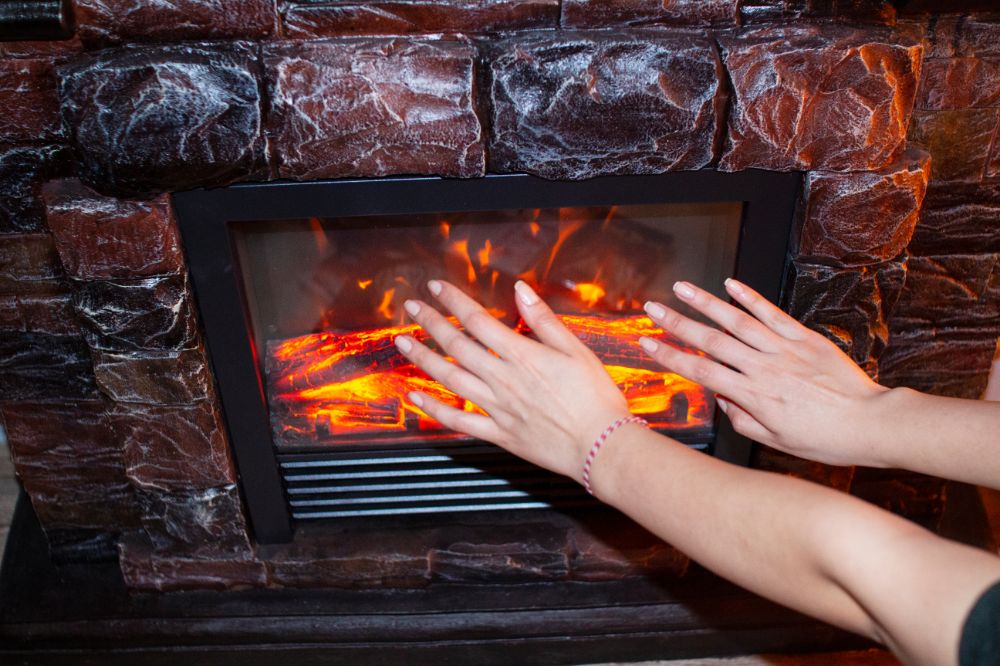
| Electric Fireplace | – Easy to install – You don’t need to wait for the fire to die out, as they can be turned off instantly – Safe option for families with children or pets, as the flame is artificial – Nullifies – venting and emission of gases or fumes – No smoke, ash, or chimney required – Portable so it goes with you when you move home – Easy to removeRemote control available – Allows the freedom to select either/and flame/heater option – Available in numerous styles and sizes | – Lack of the nostalgic feeling that traditional fireplaces provide – Not the same value addition that a wood or gas fireplace brings to your home sweet home – Can’t heat up your entire house – Depends on electricity. – Artificial flames lack the charm of real fire – Does not work during power outages |
 | ||
| Courtesy – Canva | ||
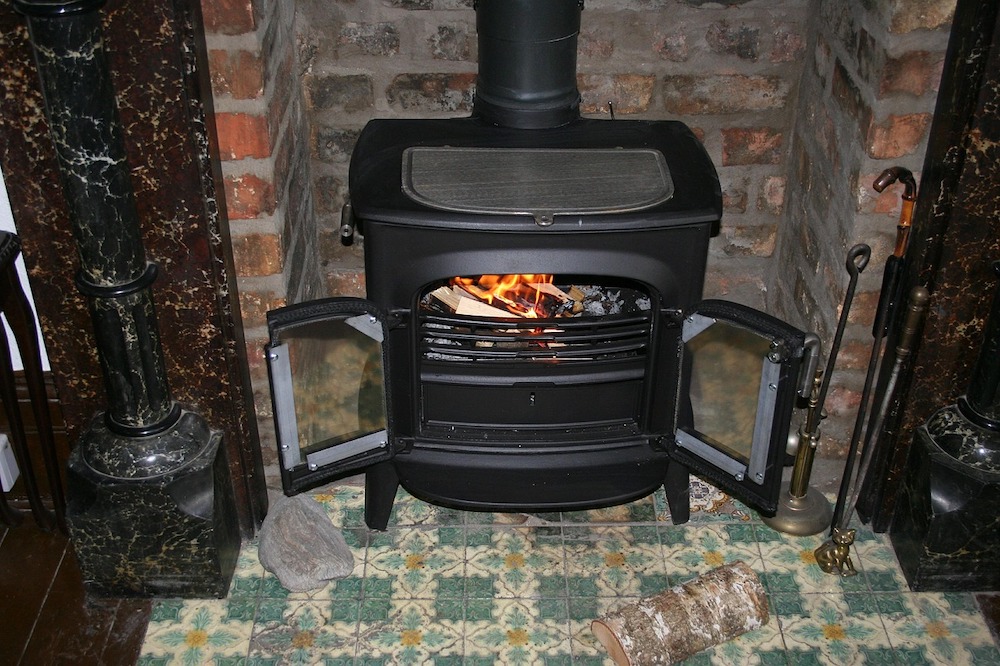
| Gas Fireplace | – Cleaner than wood fireplaces – Higher heat output – Easy to insert into an existing open fireplace – Available in vented and vent-free options – Instant ignition and shutdown – Unaffected by power cut. – Requires less cleaning than wood-burning units – More realistic appearance than its electric counterpart. | – Requires a gas connection – Does not fully replicate the experience of burning wood. – Regular inspections are necessary – Demands professional installation and maintenance. |
 | ||
| Courtesy – Canva | ||
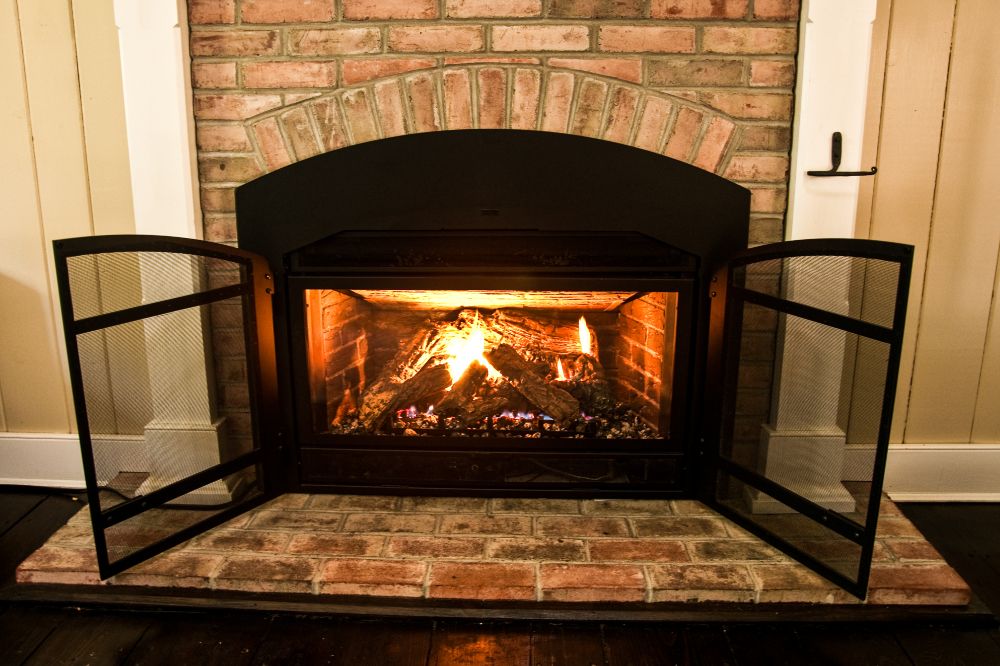
| Wood-Burning Fireplace | – Authentic fireplace experience – Adds character and value to any house – Functions during power cuts – Strong visual appeal | – Mandates regular wood supply along with a dedicated area for storing wood – Needs to be cleaned after every use – Chimney needs annual cleaning – Slightly expensive – Mandates safety grate and accessories – Calls for precautions in houses with children and pets – Adds to air pollution |
 | ||
| Courtesy – Pixabay |
| TYPE OF FIREPLACE | BENEFITS | DRAWBACKS |
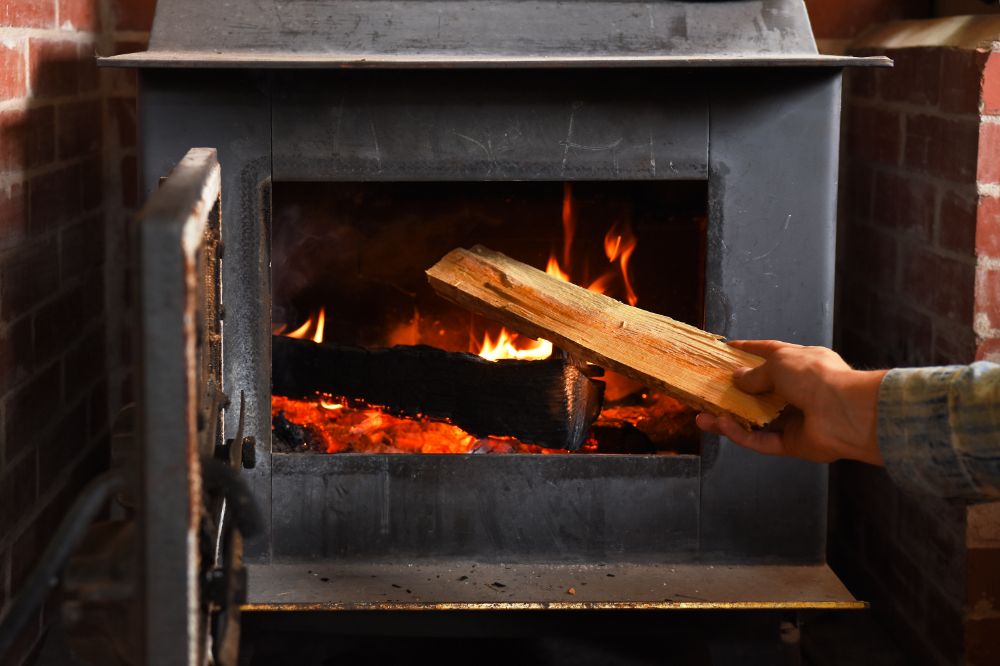
| Wood-Burning Stove | – More efficient than open fireplaces – Available in many designs – Excellent heat retention | – Slightly expensive – A vent is mandatory – Periodic wood replenishment is a necessity in order to maintain heat – Chimney needs annual cleaning – Adds to air pollution |
 | ||
| Courtesy – Canva | ||
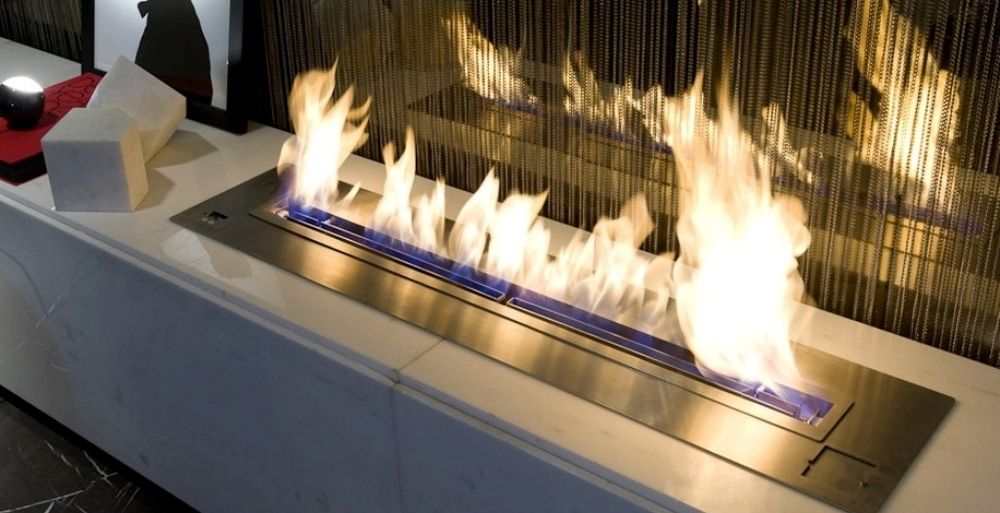
| Ethanol Fireplace | – No venting required – Contemporary aesthetics – No ash or soot – Easy and fast to install. | – Lower heat output – Fuel replacement required – Highly flammable – More suitable for appearance and ambience than heating |
 | ||
| Courtesy –Pixabay |
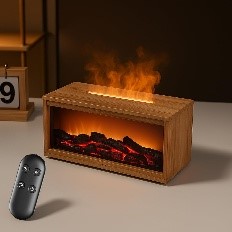
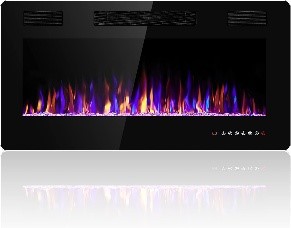
Now that you know the advantages and disadvantages of fireplaces, as well as the types of fireplaces, let’s look into some tips to design a fireplace, covering the best fireplace locations, fireplace planning, fireplace variety and many more…
Wood Fireplace Maintenance Hacks
Choosing the right fireplace after analysing different types of fireplaces and the advantages and disadvantages of each is only the beginning. Proper fireplace maintenance is essential for safety, efficiency and longevity.
Let’s quickly note the fireplace maintenance requirements:
1. Keep the Chimney Clean
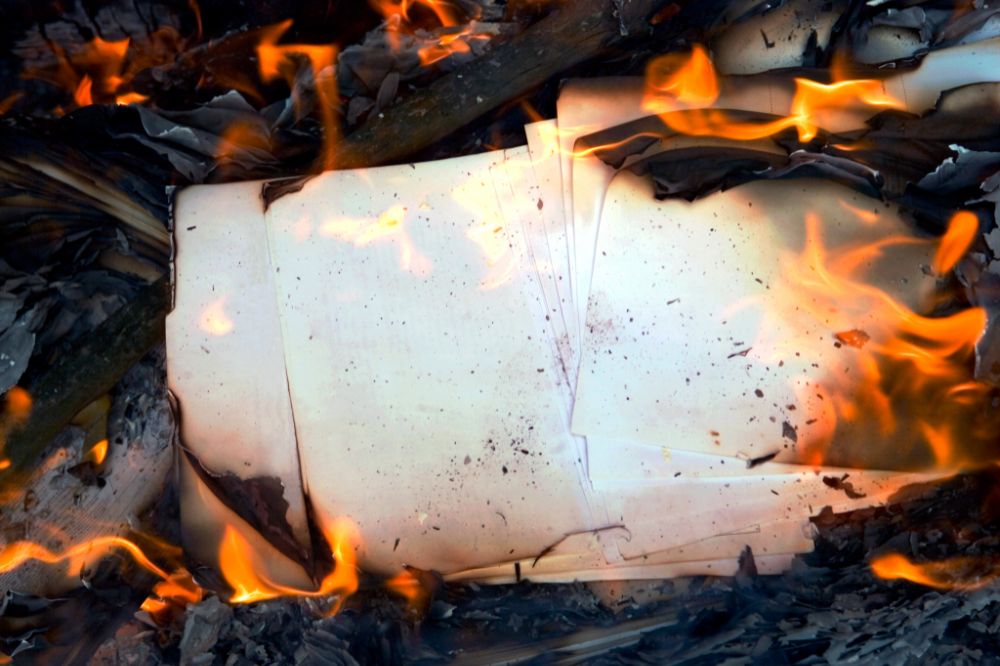
A neglected chimney can accumulate soot and creosote, increasing the risk of chimney fires. Schedule a professional inspection and cleaning at least once a year, especially if you use a wood-burning fireplace frequently.
2. Ensure Proper Ventilation
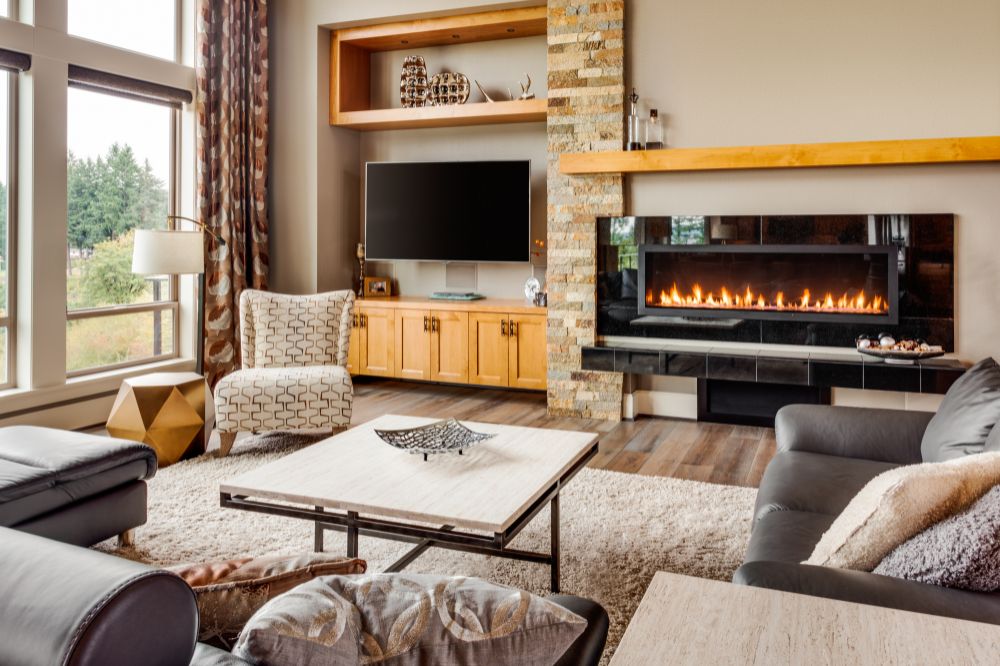
Fireplaces require enough airflow for efficient combustion. Poor ventilation can reduce heating performance and allow smoke or harmful gases to accumulate indoors.
3. Managing Soot
Excess ash can reduce airflow and affect combustion efficiency. Remove old ash regularly while leaving a thin layer behind when recommended by the manufacturer.
4. Clean Glass Fireplace Doors Regularly
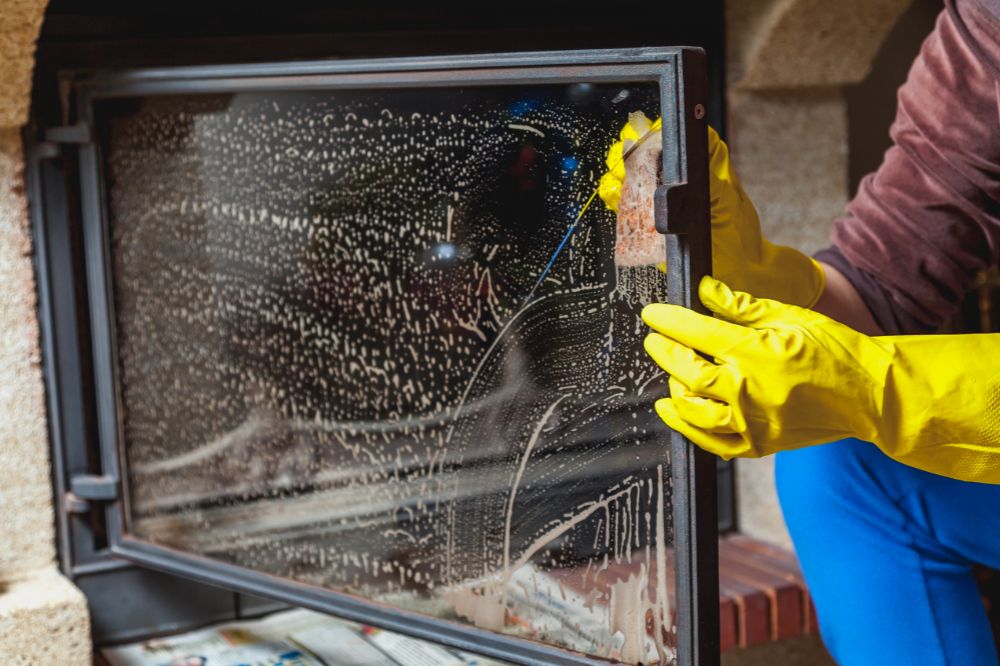
Use a wet sponge to rub on some wood ashes. Then use a clean sponge to rinse the glass and remove the dirt.
Besides cleaning fireplace glass doors, here are some house cleaning tips that might be useful to you:
15 House Cleaning Tips that can be Beneficial to Every Homeowner!
5. Cleaning the Hearth
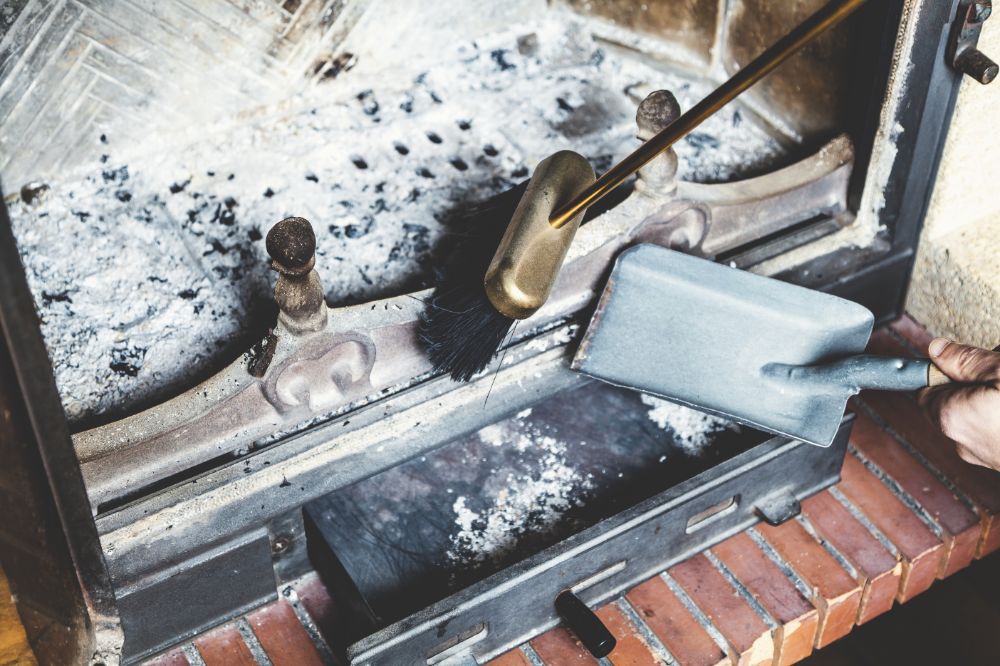
If you can regularly clean the soot marks off the hearth (the area surrounding the fireplace) the soot won’t become ingrained and hard to clean off.
For light soot marks, dust them away with a vacuum cleaner attachment or a brush. For soot stains that can’t be removed easily, try a gum eraser (available at offices and art-supply stores) or scrub them with a stiff brush and plain water.
For stains that don’t scrub off that way, wet a sponge or brush with distilled white vinegar and go at it. Then rinse the spot well with plain water.
6. Inspect Firebricks and Seals
Over Time, heat exposure can damage firebricks, gaskets and seals. Inspect these components periodically and replace worn parts before they become safety hazards.
Fireplace Safety Tips for Every Homeowner
When you have a fireplace inside your home, there is no way you can ignore safety.
- Keep flammable décor like curtains, furniture and decor away from open flames.
- Use spark guards for wood-burning fireplaces.
- Install smoke and carbon monoxide detectors
- Never leave a fire unattended
- Store firewood safely away from the fireplace
- Arrange annual chimney inspection
- Keep children and pets supervised near active fireplaces
Additional Points
- Never burn coloured newspapers or magazines in the fireplace. The inks and dyes used to make them contain lead, which is dangerous, especially for children and pets.
- If you use a salt substitute product called NuSalt, which contains potassium chloride instead of the sodium chloride which is in regular salt, your fire flames will be a beautiful, romantic, mood-setting combination of pink and lavender. Tossing salt on the log before burning it can also help loosen soot deposits.
- If your fireplace has grates instead of andirons, you may be able to reduce the amount of smoke the fire emits. Simply place a brick under each leg of the grate.
- After you’ve cleaned the ashes from the fireplace, fill a pan or a paper plate with baking soda and place it in the fireplace. Leave it for a day or so, and it will absorb the smell of soot.
- Avoid burning wet wood as it produces excess smoke, reduces heat output and leads to creosote buildup in the chimney.
- Do not block ventilation around the fireplace as blockages reduce heating efficiency.
- Avoid overdecorating the mantel. If there are flammable items, it can become a serious safety concern.
- To freshen the fireplace naturally, dry orange or lemon peels and add them to the fire. Pinecones are great if you prefer a woody aroma.
- Sprinkle damp tea leaves or moist coffee grounds over the ashes first when cleaning the firebox. This helps prevent fine ash particles from becoming airborne.
A fireplace creates an impact only if it is neat and well-maintained. If not, it can be nothing less than a nightmare. Here’s hoping the tips in this blog enable you to pick the best type of fireplace that suits your requirements, and the tips on maintenance of fireplace helps you keep the fireplace beautiful and functional.
FAQs on Different Types of Fireplaces
1. What Are The Different Types Of Fireplaces For Homes?
Common types include electric, gas, wood-burning fireplaces, wood-burning stoves, and ethanol fireplaces.
2. Which Fireplace Is Safest For Homes With Children?
Electric fireplaces are the safest option as they use artificial flames and produce no smoke or sparks.
3. Do Fireplaces Require Regular Maintenance?
Yes. Fireplaces need routine cleaning of ash, soot, glass doors, and chimneys to ensure safety and efficiency.
4. Is A Wood-Burning Fireplace Better Than A Gas Fireplace?
Wood-burning fireplaces offer a traditional feel, while gas fireplaces are cleaner, more efficient, and easier to operate.
5. Can A Fireplace Increase Home Value?
Yes. A well-designed and maintained fireplace enhances aesthetics and can increase a home’s overall value.
Author & Expert Review
Written By:  Nidhi Patel | Civil Engineer & Content Writer

| Credentials: B.E. (Mahatma Gandhi Institute of Technical Education and Research Centre), Registered with Gujarat Technological University (GTU). Experience: Civil Engineer with 3+ years of content writing experience, currently writing blogs for Gharpedia, part of SDCPL. Expertise: Specializing in SEO-optimized blogs and long-form articles focused on home improvement, construction, interiors and architect topics. I create well-researched, reader-focused content that balances technical accuracy with clarity, making complex subjects easy to understand. Find her on: LinkedIn |
Verified By Expert: Farhan Shaikh – Senior Manager – Architect, SDCPL | Associate Member – IIA

This article has been reviewed for architectural and interior design accuracy by Farhan Shaikh, Senior Manager – Architect at Sthapati Designers & Consultants Pvt. Ltd. As the lead for all architectural and interior projects at SDCPL and an Associate Member of the Indian Institute of Architects (IIA), he brings hands-on experience in architectural planning, interior design, project coordination, and sustainable strategies. His review ensures the content reflects practical design considerations, industry best practices, and real-world applicability across both architecture and interior spaces.
Find him on : Linkedin