Table of Contents
Summary
- Today, modern interiors have discarded radiators and embraced underfloor heating systems.
- An underfloor heating system warms your room from the bottom up, providing a consistent temperature across the entire space.
- Underfloor heating systems distribute heat evenly from floor to ceiling.
- Radiators occupied space and affected furniture placement such as sofas, kitchen cabinets, beds, etc. Underfloor heating eliminates these problems.
- The running cost of underfloor heating is lower than traditional systems because underfloor heating is usually set at 35 – 45°C, whereas radiators are set at 60 – 75°C.
- The installation process of underfloor heating is simple and easy.
- Electric underfloor heating is preferred for single rooms such as bathrooms and kitchens, while water-based systems are best for whole-house applications.
- Additionally, underfloor heating systems improve the value of your property.
Walk into a new build or a renovated space, however, and you’ll probably see a lot less of them. No annoying radiators to navigate around; no furniture battles against the need for a heat producing system to be present somewhere in the room. That’s only become the case because underfloor heating systems have moved from being a nice to have to a viable system for hundreds of thousands of homeowners looking for a better alternative to their traditional heating systems.
The changes haven’t happened overnight. Over the past decade, shifting technologies, changing pricing and a more familiarization with how they actually work has made underfloor heating systems a viable option for a wider array of properties than previously. Once you discover what it actually does (as opposed to the goal of it simply warming your feet!) it makes sense why people are flocking towards it.
The Comforting Process That’s Different in Principle
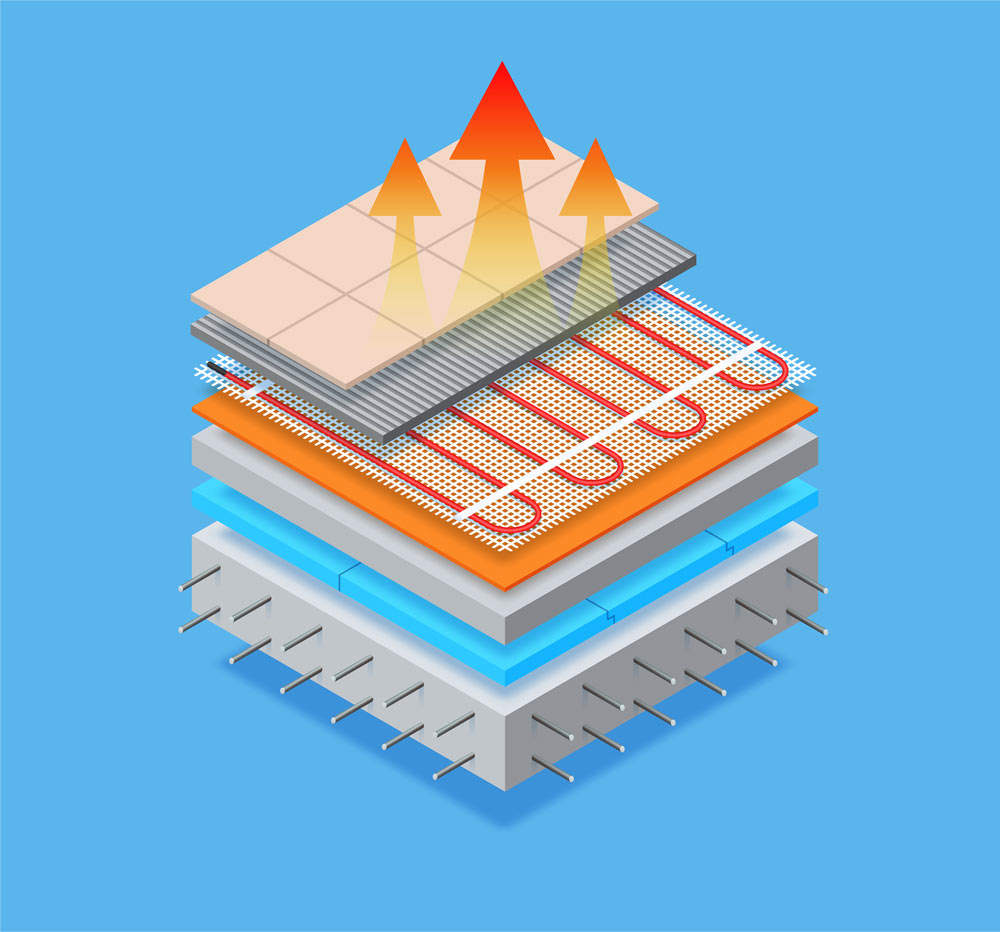
There’s one key thing that makes underfloor heating different to every other heat producing system: It warms your room from the bottom up, providing a consistent temperature across the whole space.
Radiators expel their hot air into a single source, where it rises and expands. This creates uneven temperature zones where some areas in your room become hot (and stuffy) whilst others remain cold and uncomfortable.
Underfloor heating works differently: it evenly distributes its heat source across your full floor area. This rises steadily, eliminating cold spots and providing a gentle ambient warmth that feels natural. Not only do your feet feel warm (a crucial part of how we perceive temperature) but your whole room feels comfortably heated from the floor to the ceiling.
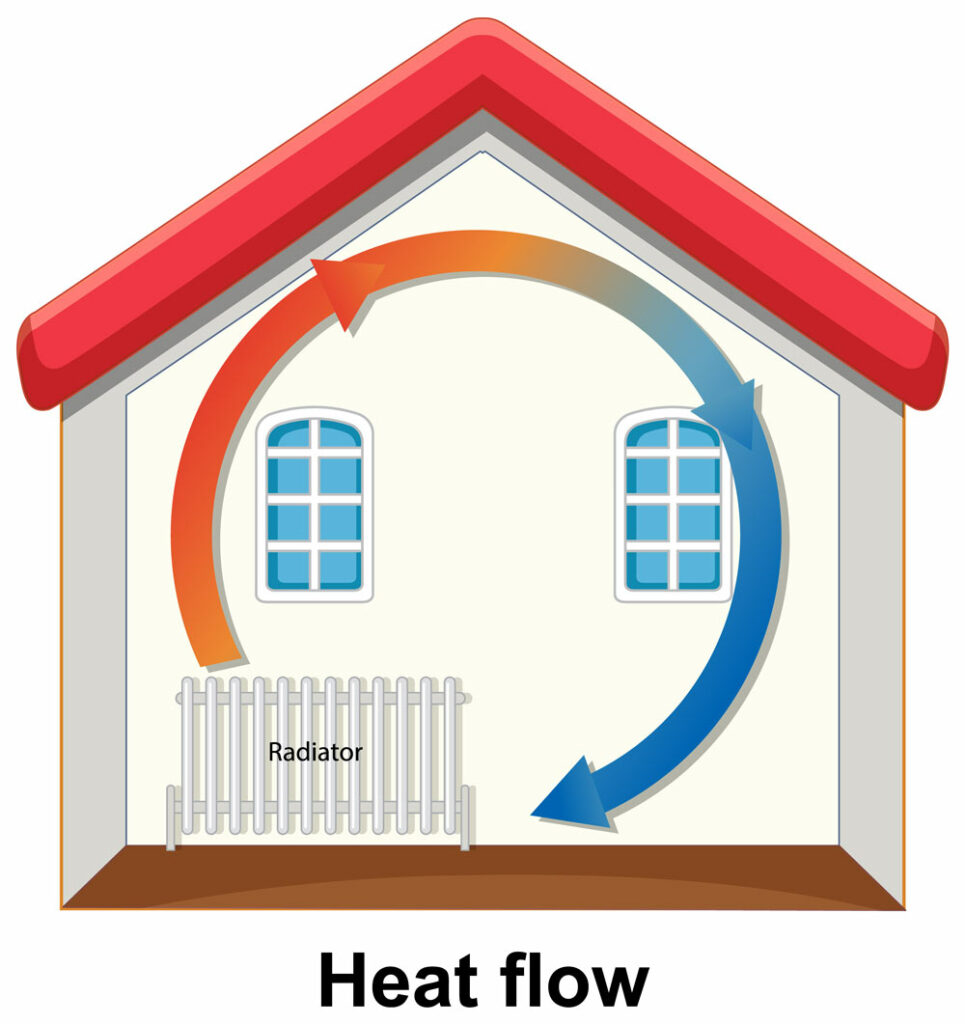
There’s also less convection heat to deal with. Radiators push hot air around your space, creating a draught which inevitably whips up dirt and dust. Underfloor heating systems don’t do this. Instead, they provide gentle radiant heat.
This makes a difference if you suffer from any breathing conditions, or experience seasonal allergies.
Design Features That Open Up Your Living Spaces
The removal of radiators opens up your living space in ways which may feel minor but make a huge difference when living within that room.
Walls no longer “belong” to the radiator! Spare wall space can become an area to place furniture, built in cupboards or be kept clear (should you wish). In smaller areas, this creates opportunities where previously you had furniture positioning problems.
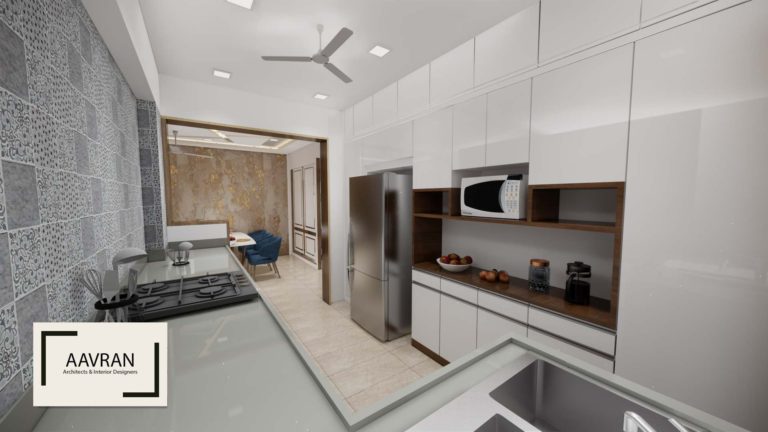
In kitchens, radiators used to cause huge headaches in terms of cabinet configuration. Not anymore. Appliances can be located anywhere instead of having to jigsaw puzzle themselves around (or, worse, ending up needing to fit snugly against) the radiator.
In bathrooms it’s no different. Wall space is always at a premium and heated floor areas can provide far better comfort than heated walls.
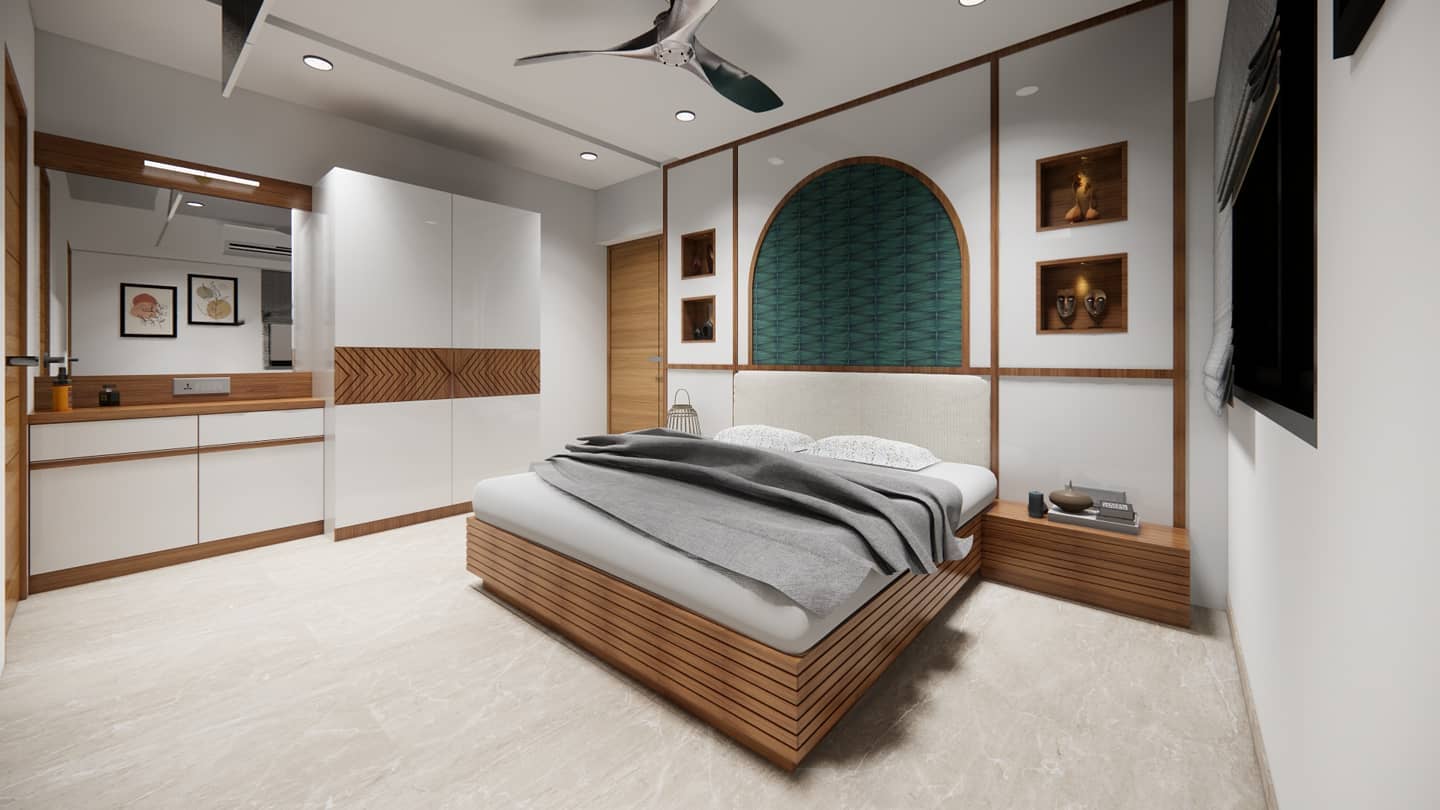
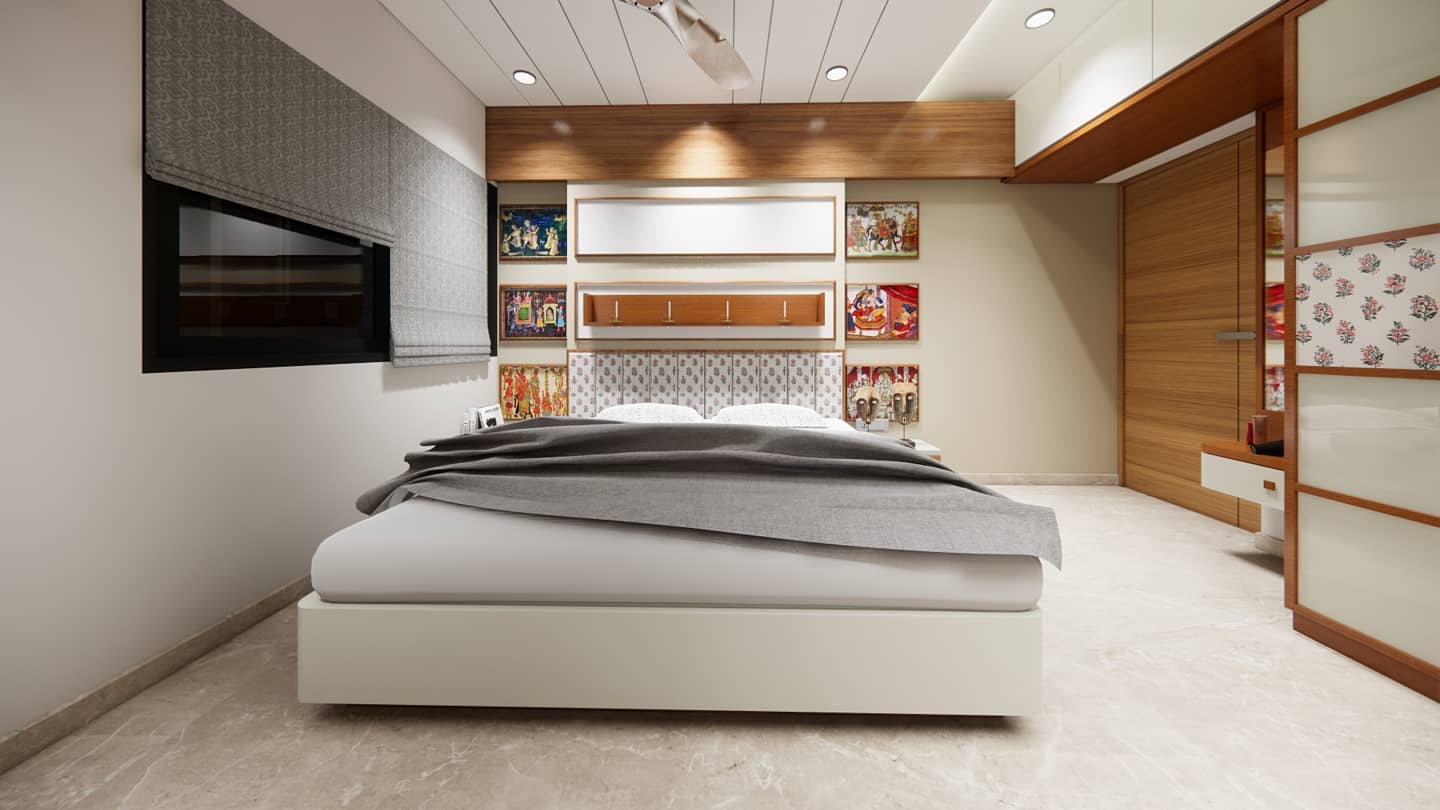
Living rooms and bedrooms gain flexibility too. Sofas can go against any wall. Beds aren’t positioned based on where the heating is. The room works for you rather than the other way around. For companies specializing in these installations, like Underfloor Heating By Radiator Outlet, helping homeowners realize these design possibilities has become a major part of the consultation process.
Running Costs That in Many Cases Can Save You Money
A simple running cost myth associated with underfloor heating systems is that their running costs need to be high. The opposite is actually the case: underfloor heating systems are often cheaper to run than traditional systems.
Much of this comes down to lower running temperatures. Underfloor heating works at roughly 35-45 degrees Celsius whereas radiators need to be run at between 60-75 degrees Celsius. It’s an easy route for reducing running costs, especially if you have a modern condensing boiler which works best at lower temperatures.
You can thank thermal mass for other savings. Floor surfaces tend to hold heat and release it over an extended period of time. You won’t need to keep running the system every time you need it warmed back up. Once the system has warmed the floor, it can take several hours before all of this heat has dissipated. The same cannot be said for traditional radiators which cool down relatively quickly.
How much can you save? As a rule of thumb, underfloor heating systems generally save around 15-25% less than traditional radiators but a lot of this depends on how you use your system and whether your home is insulated (or poorly insulated).
Installing Is Not as Intrusive Anymore
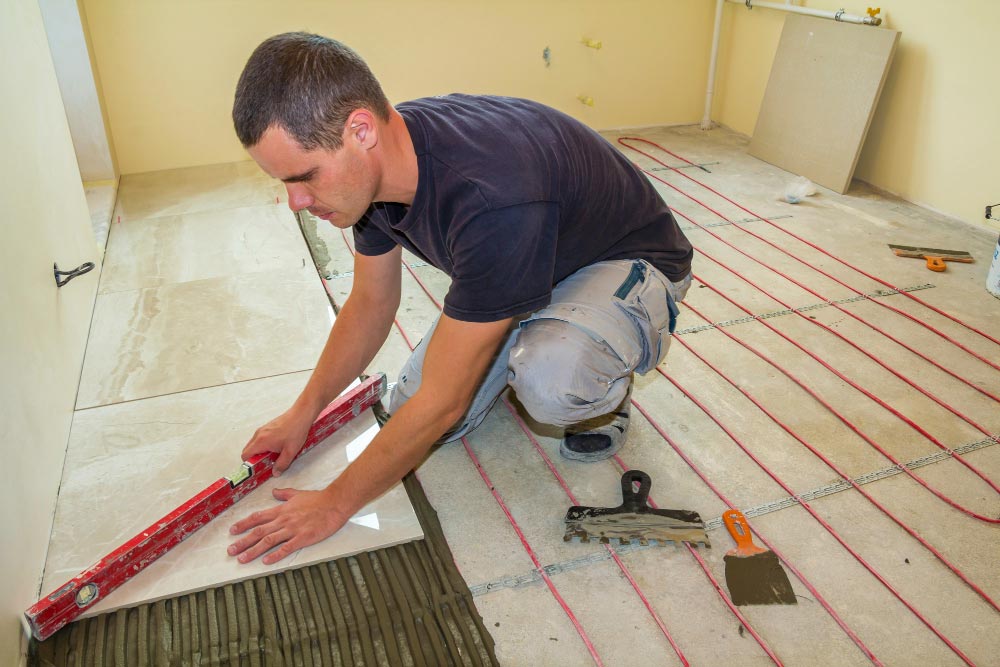
Installation processes aren’t as invasive as they once were. Current options have become streamlined over the years; especially within renovation building projects. Low-profile systems can be installed and simply added onto existing buildings without much additional height required. Roughly 15 mm including insulation and pipes is often enough to get your system up and running.
Electric heating systems have reduced how intrusive installation can be for selected areas of your house. You can now retrofit bathrooms using electric underfloor heating without it impacting on your renovation plans over a day period. Mats can be laid down under tile sheets without having to be connected to any central heating system.
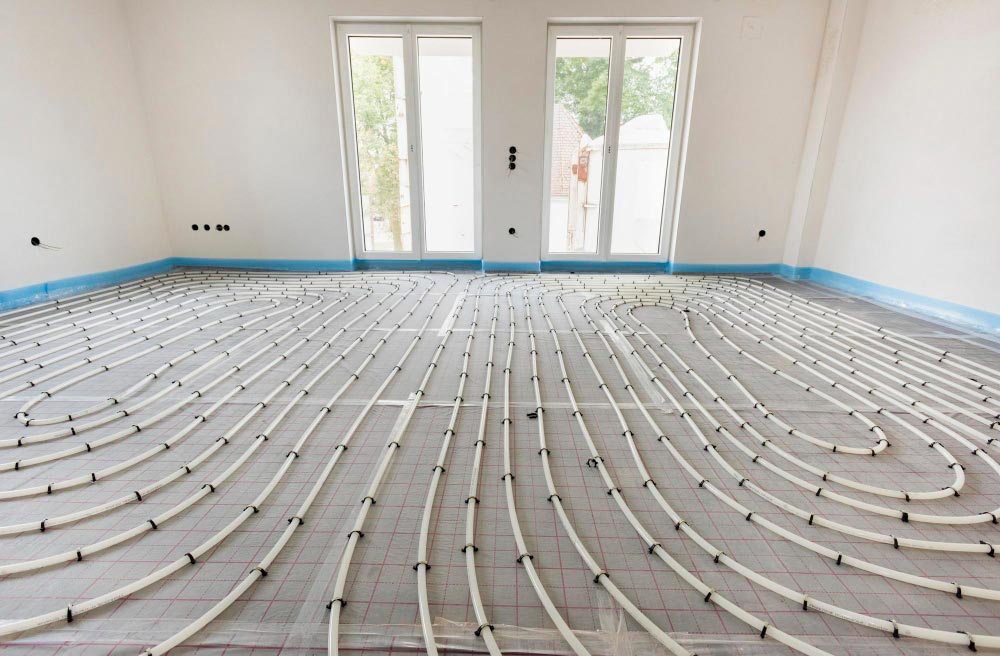
Wet systems are still better as whole-house solutions. They make more sense within large-scale constructions like new builds and extensions where they can simply be incorporated within already complicated construction projects.
Choices Don’t Need To be Complicated
The choice between electric heating systems and water-based systems need not be as complicated as it sounds: think of it as a simple set of solutions depending on how you want to use your house.
Electric underfloor heating works best as single room solutions: bathrooms, kitchens and conservatories make sense for this.
Water-based systems, on the other hand, work better on whole house applications and can be installed when building larger areas like extensions over their predecessors. These systems are more costly during their installation, but their running costs are considerably lower.
If you are currently renovating your entire home (or large sections of it), ensure you consider a water-based system.
An interesting move is the use of both electric and water-based heating systems in the same property. Electric systems are often confined to bathrooms where quick-heating is often required; water-based heating systems can operate throughout communal areas within your home.
Benefits That You Don’t Expect to be So Obvious
Underfloor heating systems improve the value of your property in ways that you might not expect. The perceived value of these benefits also needs to be more realistic than some of the other “benefits” that are being marketed in various online content pieces: properties with heating systems get sold quicker than expected, at prices higher than expected (even in difficult housing markets).
Once word gets out as to how desirable these properties with heating systems appear, it’s easy for those who are purchasing properties to overhear about these perks in a variety of different locations to one day find themselves in a competing housing market.
Value that accumulates over time is also not one of the benefits that people recognize often enough.
Well-installed underfloor heating systems can last over fifty years with basically no maintenance or upkeep required. Traditional radiators are prone to rusting, water leaks, bleeding (it’s something that takes up time). Their projected lifespan is around 15-20 years before needing replacement.
There are also no moving parts in floor heating solutions. They also don’t have pipes that get stuck. There’s no needless paintwork that needs to get attention every year. Once these systems are completed, they function seamlessly in the background.
Things To Keep in Mind While Building a Property
Underfloor heating systems aren’t meant for every property and don’t need to be installed throughout the entire property. A lot of people install electric underfloor heating systems within areas like kitchens where the aesthetics can often drastically change with their inclusion.
Once these systems have been laid down during renovations, they speak for themselves. They provide benefits that often beat radiator heating systems throughout the property after their installation.
For far more properties than ever before, these benefits indicate an inevitable decision: not for one-off instances, but as replacements for radiator heating systems as a whole.
Also Read: Different Heating Options for UK Homes
FAQs on Underfloor Heating System
01. Why is an underfloor heating system better than radiators?
Underfloor heating systems evenly distribute heat across the entire floor area, whereas radiators release heat from a single point, creating uneven temperature zones.
02. How does underfloor heating work?
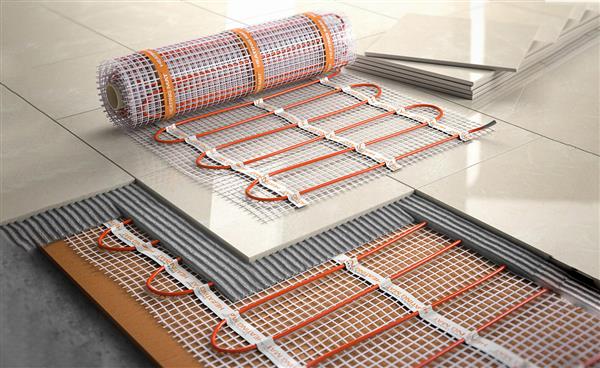
An underfloor heating system has a network of electric cables or hot water pipes installed beneath the flooring. These cables or pipes heat up and warm the floor evenly.
03. What are the types of underfloor heating systems?
Underfloor heating systems are of two types: electric heating systems and wet systems.
In electric heating systems, electric cables are placed beneath the floor to provide heat.
In wet systems, hot water is passed through pipes beneath the floor, which warms the floor.
04. Which is better: an electric heating system or a wet system?
Both are effective underfloor heating options. However, electric heating systems are suitable for small areas like bathrooms and kitchens, while wet systems are suitable for whole-house applications.
05. Do underfloor heating systems increase property values?
Yes, underfloor heating systems increase property value.
Author & Expert Review
Written By:  Nidhi Patel | Civil Engineer & Content Writer
| Credentials: B.E. (Mahatma Gandhi Institute of Technical Education and Research Centre), Registered with Gujarat Technological University (GTU). Experience: Civil Engineer with 3+ years of content writing experience, currently writing blogs for Gharpedia, part of SDCPL. Expertise: Specializing in SEO-optimized blogs and long-form articles focused on home improvement, construction, interiors and architect topics. I create well-researched, reader-focused content that balances technical accuracy with clarity, making complex subjects easy to understand. Find her on: LinkedIn |
Verified By Expert:  Ravin Desai – Co Founder – Gharpedia | Co Founder – 1 MNT | Director – SDCPL
This article has been reviewed for technical accuracy by Ravin Desai, Co-Founder of Gharpedia and Director at Sthapati Designers & Consultants Pvt. Ltd. With a B.Tech. in Civil Engineering from VNIT Nagpur and an M.S. in Civil Engineering from Clemson University, USA, and over a decade of international and Indian experience in the construction and design consultancy sector, he ensures all technical content aligns with industry standards and best practices.
Find him on: LinkedIn