Table of Contents
Quick Overview
- Home renovations often involve making or breaking of walls to create more open and functional living spaces.
- Wall removal is intended to improve natural lighting and room connectivity.
- However, before eliminating any wall, it is important to identify whether it is a load-bearing wall.
- Removing load-bearing walls involve providing proper support to the structural components.
- In some cases, replacing a damaged wall is safer than removing entirely.
- Wall reinforcement and repair can strengthen weakened structures without major demolition.
- Wall may contain plumbing, wiring, or ventilation systems that require relocation.
- Professional inspection ensures structural safety and compliance with building regulations.
Home renovations begin with a simple idea: creating a space that feels more comfortable, open, or practical. For many homeowners, walls quickly become the focus of that idea. Some walls block natural light, divide rooms unnecessarily, or look outdated after years of use. In these situations, walls removal can seem like the most obvious solution.
Removing a wall is not always the only option. Sometimes a wall needs to be repaired, reinforced, or replaced instead. Each home has a different structure, and what works in one property may not work in another. That is why decisions about walls require careful thought and professional guidance.
This article mentions when walls should be removed, replaced, or reinforced to maintain safety, functionality, and structural stability in a home.
Why Homeowners Consider Walls Removal
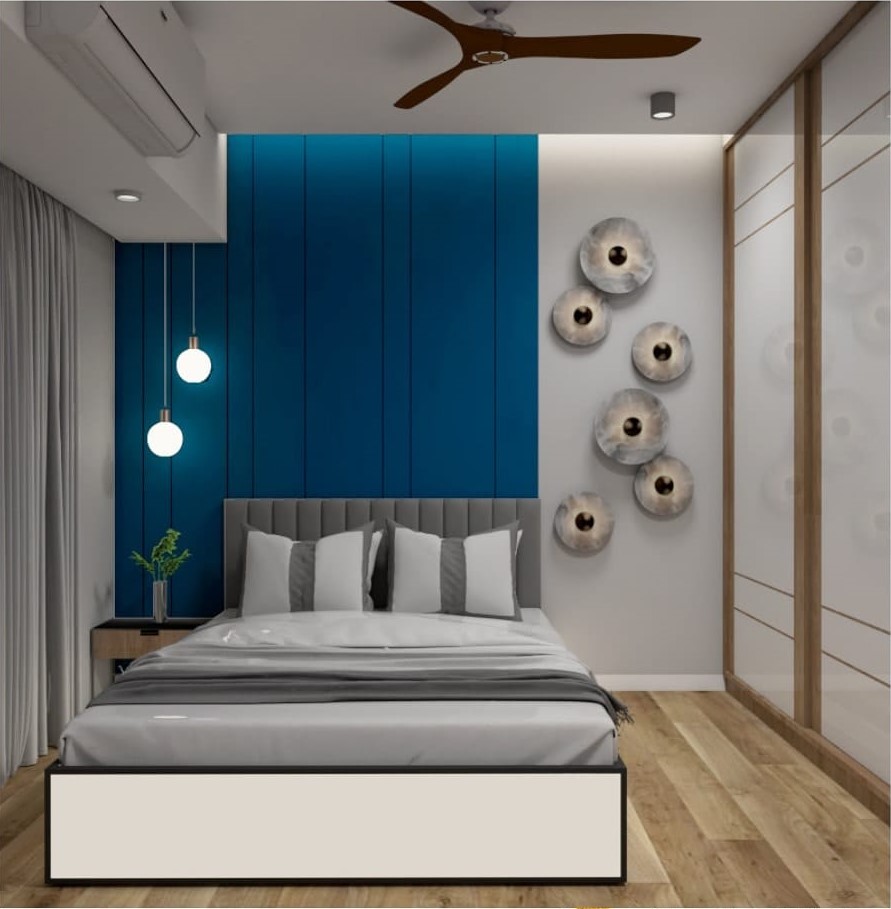
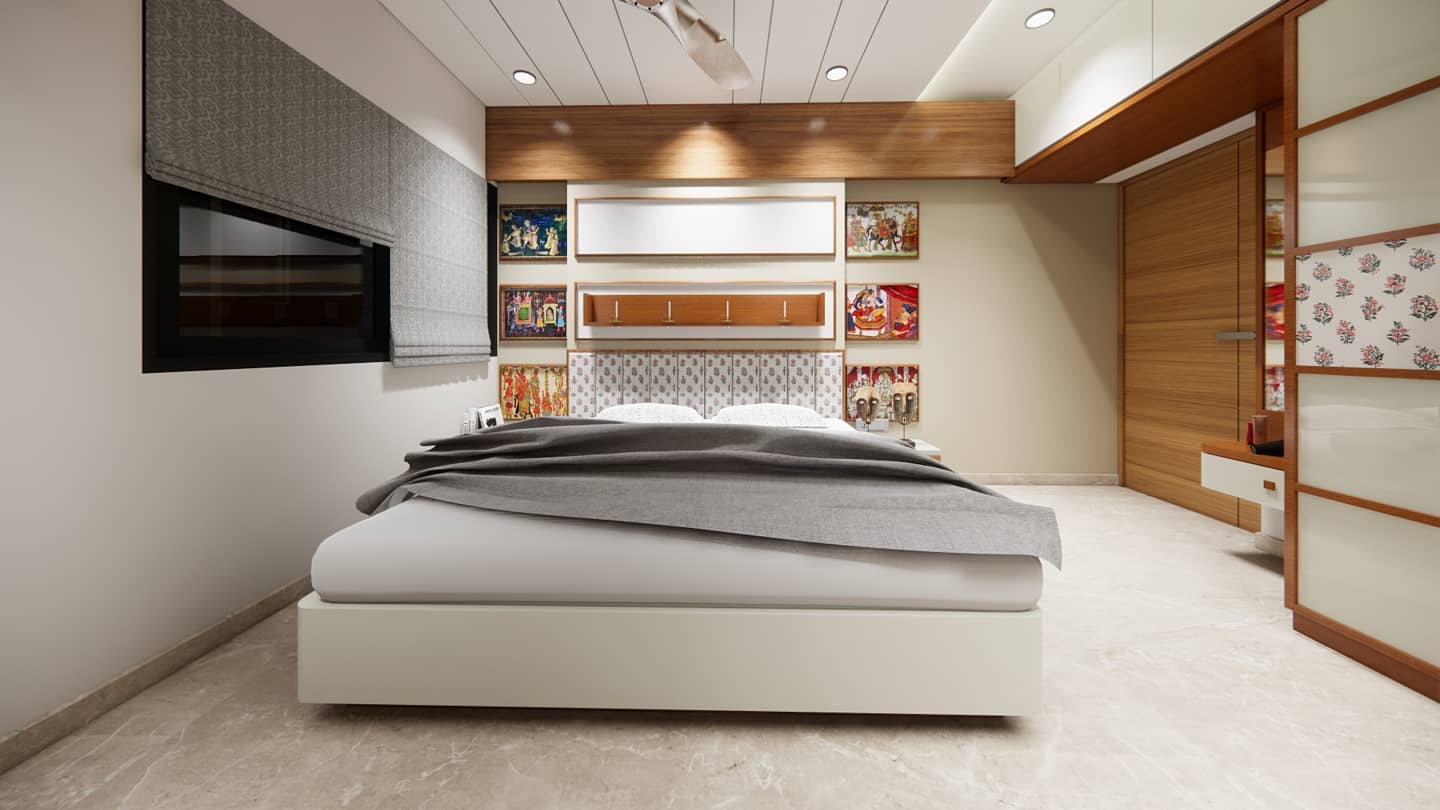
Many homeowners consider walls removal when they want to make their living spaces feel larger. Open layouts are popular because they allow more natural light to flow through the house and make rooms feel more connected.
Sometimes the reason is not only about space. Walls may become damaged over time due to moisture, foundation movement, or general wear. In those cases, removing the wall and rebuilding part of the structure may be necessary.
Understanding Load-Bearing Walls
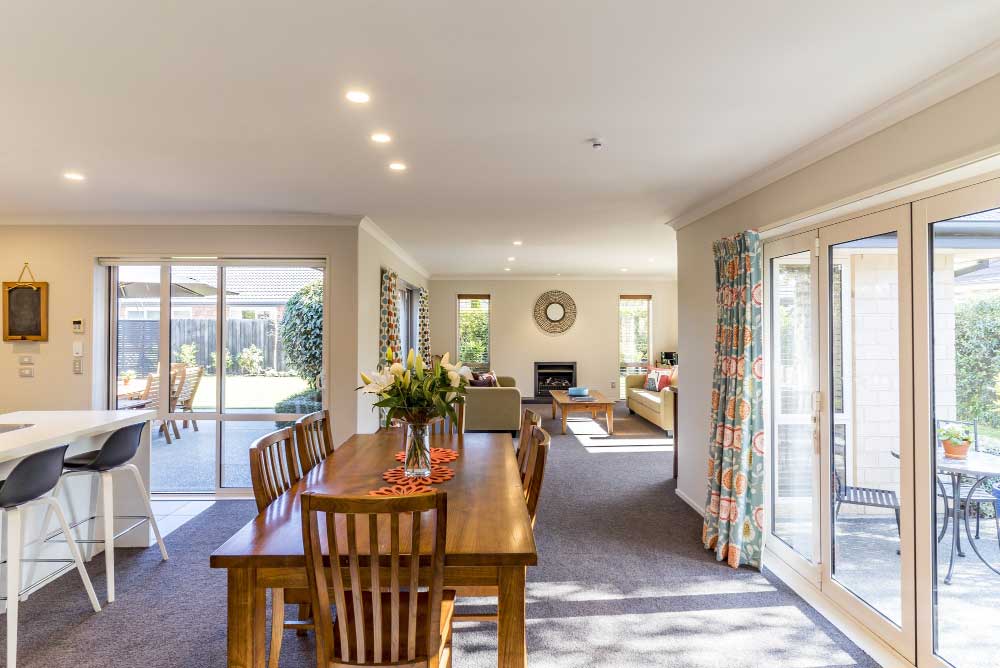
Before starting any walls removal project, it is essential to determine whether the wall is load-bearing. A load-bearing wall supports weight from the roof, upper floors, or other structural elements of the home.
If this type of wall is removed without proper support, it can weaken the structure and cause serious safety issues. Cracks in ceilings, uneven floors, and structural instability may occur over time.
This is why professional inspection is necessary before removing any wall. Builders or structural engineers examine the home layout, the roof structure, and the framing system to determine how the weight is distributed.
When Replacing a Wall Is the Better Choice
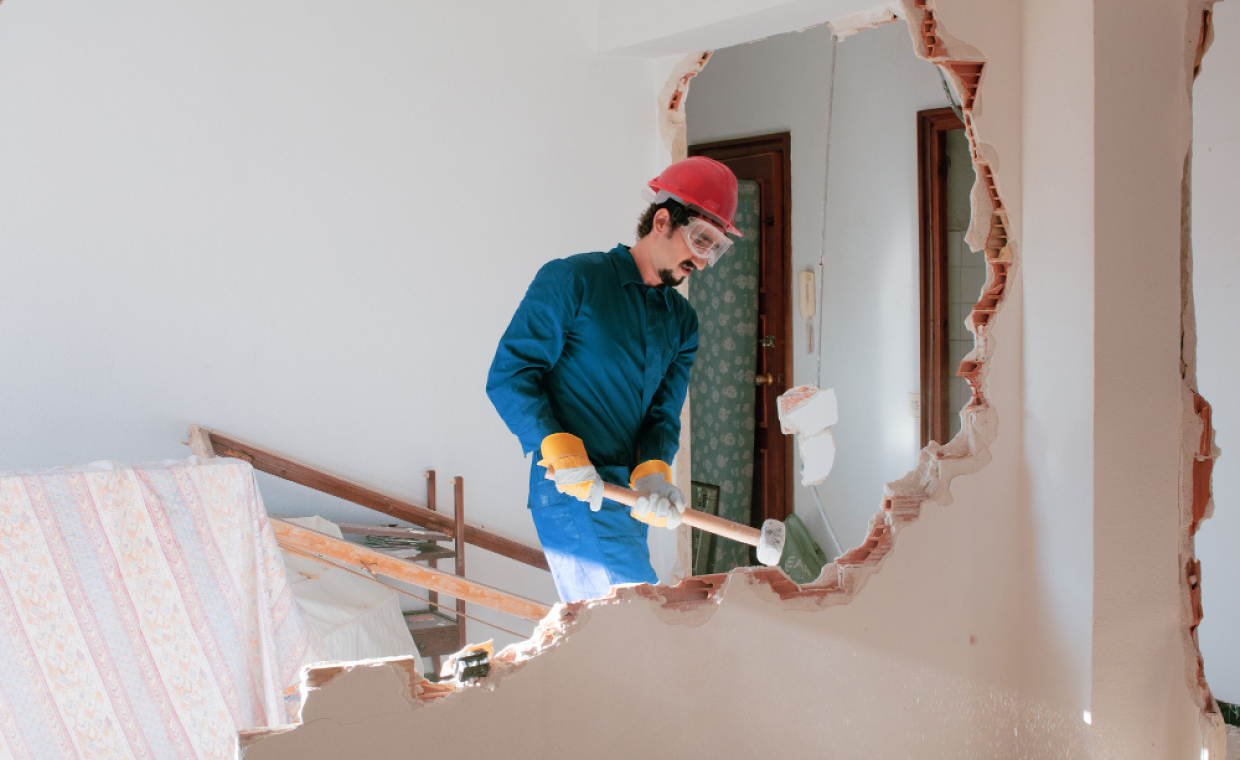
While walls removal can improve space and flow, there are situations where replacing a wall is the better option. Older brick or masonry walls may develop cracks, loose bricks, or weakened mortar joints over time.
In these cases, rebuilding the wall can restore the structure without changing the overall home layout. Replacement may involve removing damaged sections and rebuilding them with new materials that provide better strength and durability.
Making Walls Safe Without Removing Them
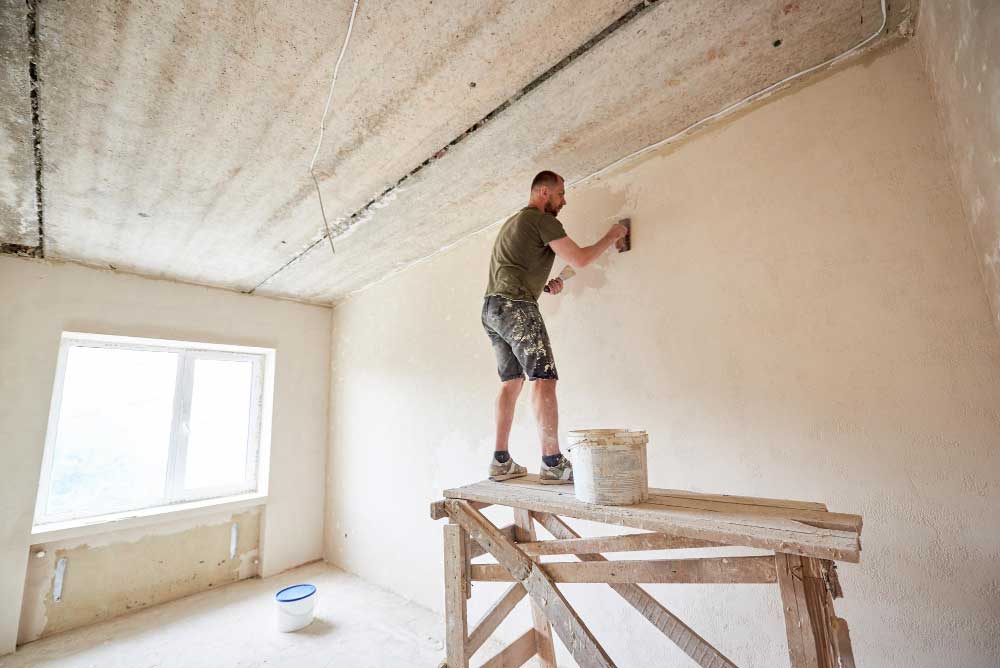
Sometimes the simplest solution is not walls removal, but reinforcement. Walls can weaken due to age, moisture exposure, or small structural shifts in the building.
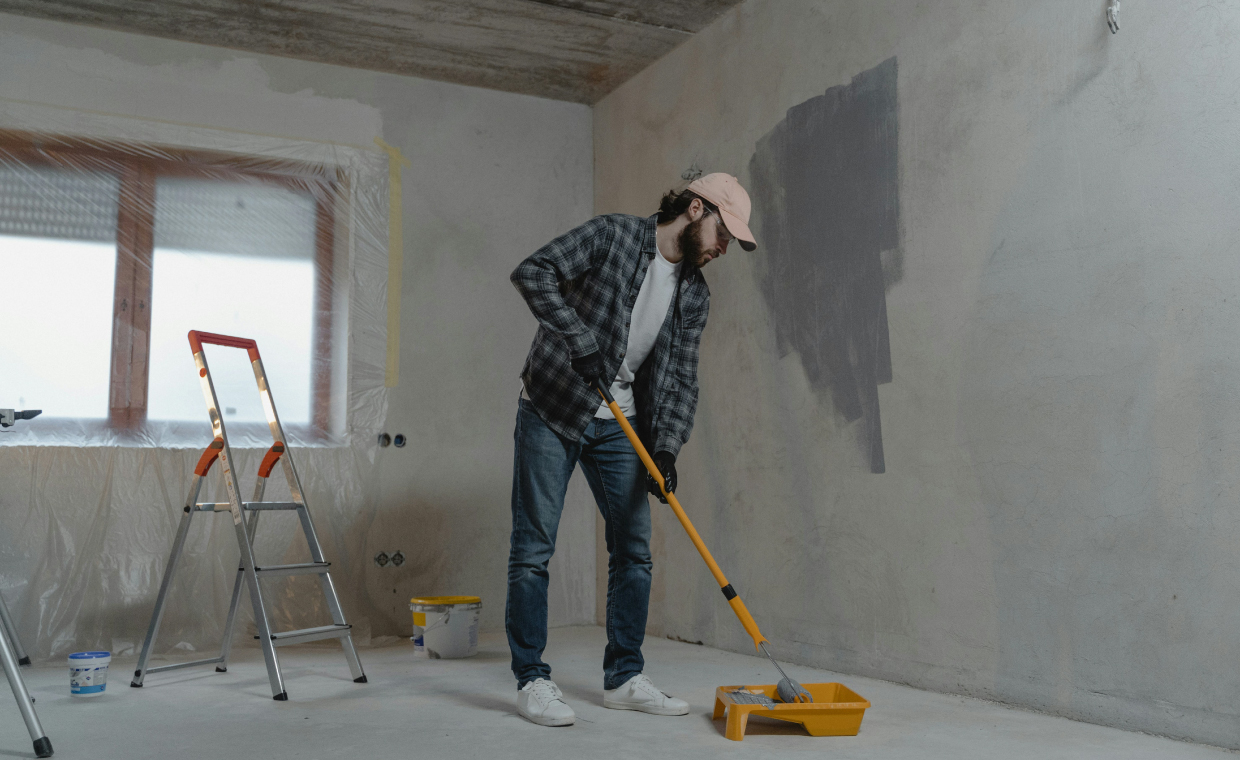
Instead of removing the wall entirely, builders may strengthen it through repair work. This process helps maintain the structure while preventing further damage.
Common wall repair methods include:
- Repointing old or damaged mortar joints
- Repairing cracks in bricks or masonry
- Adding reinforcement supports
- Stabilizing surrounding structural elements
These repairs can extend the life of a wall and improve overall building safety. In many cases, this option is less disruptive and more cost-effective than removing the wall completely.
Planning and Safety Considerations
Structural changes require careful planning. Walls contain electrical wiring, plumbing pipes, or ventilation systems that are hidden from view. During walls removal, these systems may need to be moved or adjusted.
Building regulations also play an important role in renovation work. Many structural changes require permits and must meet specific safety standards. Professional builders are familiar with these requirements and can ensure the work is completed correctly.
Proper planning reduces the chances of unexpected problems during construction.
The Importance of Professional Expertise
Renovation projects involving structural walls should always involve experienced professionals. Builders, engineers, and bricklayers have the knowledge required to assess whether a wall can be safely removed, replaced, or repaired.
Their role includes inspecting the condition of materials, identifying structural loads, and recommending the safest approach. What might appear to be a simple wall could support important parts of the building.
Professionals also ensure that any changes follow building codes and industry standards. This helps protect the long-term safety and stability of the home.
Balancing Design and Structural Needs
Home renovation involves balancing design goals with structural realities. Homeowners may want larger open spaces, but the structure of the building must always come first.
Modern construction techniques make many design changes possible. With proper engineering and support systems, walls removal can transform living spaces while maintaining structural strength.
Conclusion
Walls are an essential part of every building’s structure. They define rooms, support loads, and contribute to the overall stability of the home. When homeowners begin renovations, deciding whether to remove, replace, or reinforce a wall becomes an important step.
In many cases, walls removal can create more open and comfortable living spaces. It is not always the best solution. Some walls are better repaired or replaced to maintain structural strength and safety.
With proper assessment, professional guidance, and careful planning, homeowners can make informed decisions about their walls. Whether the goal is creating an open layout or improving structural safety, the right approach ensures the home remains functional and secure for the coming years.
Also Read: Wall Removal Projects: Benefits, Considerations and Execution
Wall Removal FAQs
01. How do you know if a wall is load-bearing?
A load-bearing wall supports the weight of the roof, upper floors, or other structural elements. Structural engineers or experienced builders can inspect the building layout, framing system, and foundation to determine whether a wall carries structural loads.
02. Is wall removal safe during home renovation?
Wall removal is safe if the wall being removed is non-load bearing (or partition wall). In cases of load-bearing walls, engineers usually install beams or other support systems to maintain the building’s structural stability.
03. When should a wall be replaced instead of removed?
A wall should be replaced when it is damaged but still important for structural stability. Cracked masonry, deteriorated bricks, or weakened mortar joints may require rebuilding rather than removal.
04. Can damaged walls be repaired without removing them?
Yes. Many walls can be strengthened through repair methods such as repointing mortar joints, fixing cracks, adding reinforcement supports, or stabilizing surrounding structural components.
05. Why is professional guidance important for wall renovation?
Professionals understand building structure, load distribution, and safety codes. Their expertise ensures that wall removal, replacement, or repair is done correctly without compromising the building’s stability.
Author & Expert Review
Written By:  Nidhi Patel | Civil Engineer & Content Writer
| Credentials: B.E. (Mahatma Gandhi Institute of Technical Education and Research Centre), Registered with Gujarat Technological University (GTU). Experience: Civil Engineer with 3+ years of content writing experience, currently writing blogs for Gharpedia, part of SDCPL. Expertise: Specializing in SEO-optimized blogs and long-form articles focused on home improvement, construction, interiors and architect topics. I create well-researched, reader-focused content that balances technical accuracy with clarity, making complex subjects easy to understand. Find her on: LinkedIn |
Verified By Expert:  Ravin Desai – Co Founder – Gharpedia | Co Founder – 1 MNT | Director – SDCPL
This article has been reviewed for technical accuracy by Ravin Desai, Co-Founder of Gharpedia and Director at Sthapati Designers & Consultants Pvt. Ltd. With a B.Tech. in Civil Engineering from VNIT Nagpur and an M.S. in Civil Engineering from Clemson University, USA, and over a decade of international and Indian experience in the construction and design consultancy sector, he ensures all technical content aligns with industry standards and best practices.
Find him on: LinkedIn