







Table of Contents
Quick Overview
Here is the quick overview of water damage in rental properties:
- Water damage in rental properties is common and can cause major financial and legal issues.
- Causes include plumbing failures, appliance leaks, roof damage, sewer backups, and tenant negligence.
- Landlords are responsible for structural maintenance and repairs; tenants must report issues and avoid misuse.
- Responsibility depends on cause and negligence, making documentation crucial.
- Immediate steps: stop water, ensure safety, document damage, inform concerned parties, and call professionals.
- DIY cleanup can lead to hidden damage, mold, and insurance claim issues, professional restoration is recommended.
- Insurance is separate: landlord covers structure; tenant covers personal belongings.
- Preventive maintenance and early detection significantly reduce risks and costs.
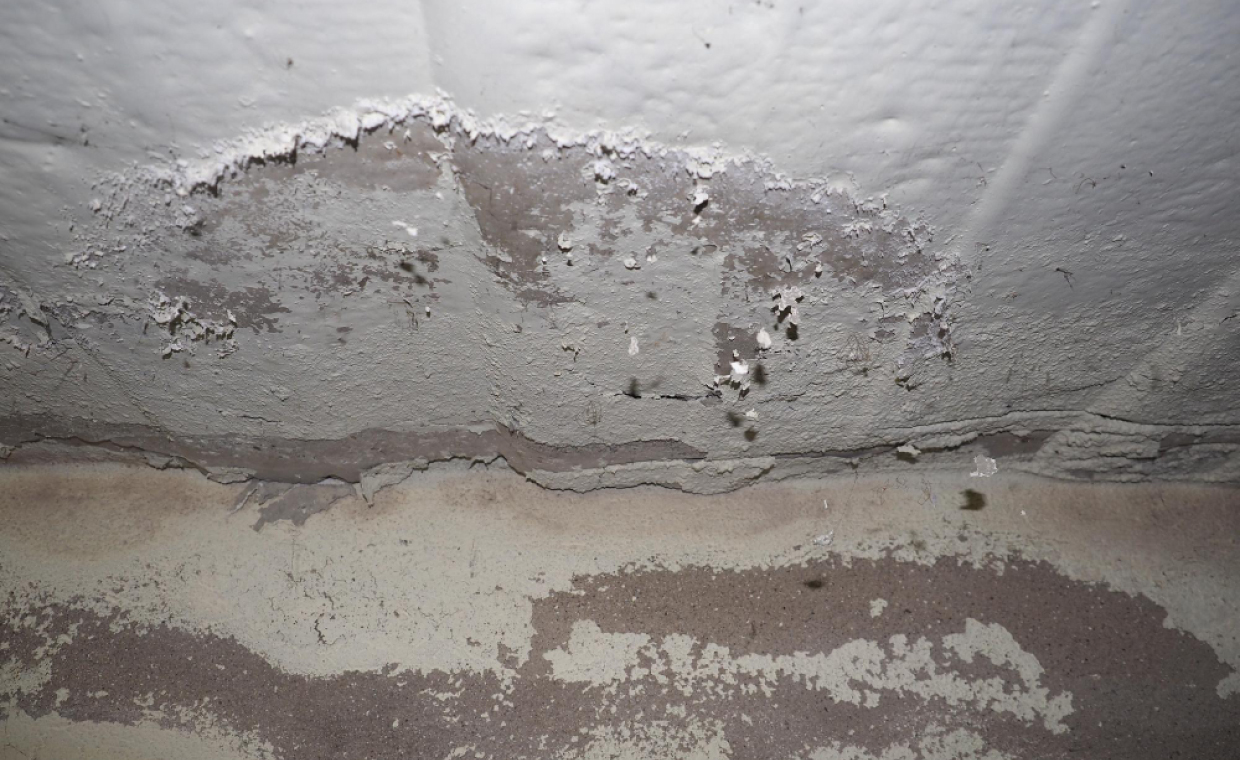
It starts with a phone call no landlord wants to receive or a text a tenant dreads sending. Water is coming through the ceiling. The bathroom floor is soaked. The basement is flooded. Water damage in rental properties creates a unique storm of stress: physical destruction meets legal confusion meets financial uncertainty, all at once.
The situation is more common than most people realize. Water damage is one of the most frequently filed insurance claims, and rental properties are disproportionately affected due to aging infrastructure, deferred maintenance, and the communication gaps that naturally exist between landlords and tenants. Understanding who is responsible, what the law generally requires, and most importantly what the right steps are after a water event can save both parties thousands of dollars and months of conflict.
The Scale of the Problem: Water Damage by the Numbers
Before diving into responsibility, it helps to understand just how significant and widespread water damage is as a property issue. The following figures come from publicly available industry and government sources:
$20 Billion+ in property damage is caused by water and freezing incidents in the U.S. each year, according to the Insurance Information Institute. – Insurance Information Institute – Facts + Statistics: Homeowners and Renters Insurance
1 in 60 insured homes files a water damage or freezing claim each year, making it one of the most common property insurance claims. – Insurance Information Institute – Water Damage
10,000 gallons of water are wasted annually by the average household due to leaks – a figure from the U.S. Environmental Protection Agency that illustrates how pervasive plumbing failures are in residential properties. – U.S. Environmental Protection Agency – Fix a Leak Week
24–48 hour is all it takes for mold to begin growing after a water intrusion event, according to the U.S. Centers for Disease Control and Prevention – putting both tenants’ health and landlords’ liability at serious risk. – CDC – Mold Prevention Strategies and Possible Health Effects
Water damage is the most common homeowner’s insurance claim in the U.S., second only to wind and hail damage – and it accounts for a significant share of total claims costs each year. – Insurance Information Institute – Homeowners Insurance
These numbers make one thing clear: water damage in rental properties isn’t a rare edge case. It’s a routine risk that every landlord and tenant should be prepared for.
Common Causes of Water Damage in Rental Properties
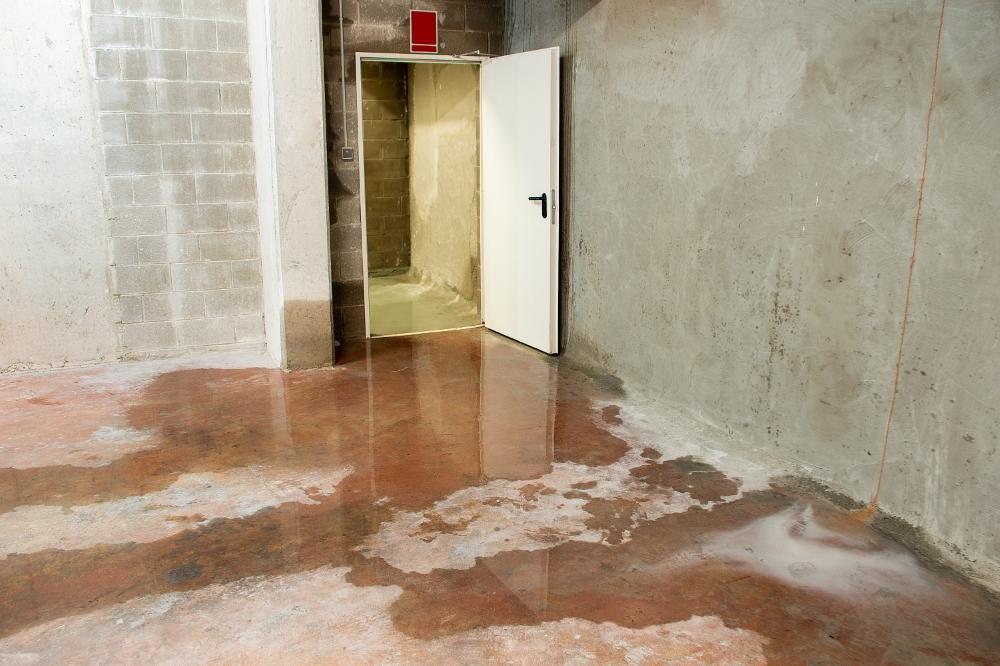
Water intrusion in rentals comes from many directions and identifying the source matters enormously for both insurance claims and legal liability.
1. Plumbing Failures
Burst pipes, leaking supply lines, and failed fittings are responsible for a large portion of rental water damage incidents. In older rental stock – buildings constructed before the 1990s – galvanized steel pipes are a known vulnerability, prone to corrosion and sudden failure. A single burst pipe can release a substantial volume of water before it’s noticed and shut off.
2. Appliance Leaks
Washing machines, dishwashers, refrigerators with ice makers, and water heaters are frequent culprits in rental units. According to the Insurance Institute for Business & Home Safety (IBHS), washing machine supply hose failures are among the most common sources of significant water loss in residential properties. In multi-unit buildings, an appliance failure on an upper floor can cascade damage to multiple units below.
3. Roof and Structural Failures
Landlords who defer roof maintenance or ignore signs of deterioration create conditions where a single heavy rainstorm can send water pouring through ceilings and walls. Blocked gutters, failed flashing, and deteriorated seals around vents and skylights are all landlord-side maintenance responsibilities that, when neglected, lead to tenant-side water damage.
4. Sewer Backups and Drain Failures
Sewer backups are among the most damaging and unpleasant forms of water damage a rental unit can experience. They can result from city sewer system surges, tree root intrusion into drain lines, or grease buildup in shared plumbing stacks. Sewage-contaminated water – classified as Category 3 or ‘black water’ by the IICRC (Institute of Inspection, Cleaning and Restoration Certification) – requires specialized remediation and cannot be handled with standard cleanup procedures.
5. Tenant-Related Incidents
Overflowing bathtubs, leaving taps running, failing to report slow leaks, and improper use of appliances are all tenant-side causes of water damage. While less common than structural or system failures, these incidents shift liability significantly and can affect insurance outcomes for both parties.
Landlord vs. Tenant Responsibility: The General Framework
Important note: Specific landlord-tenant laws vary by province, state, and municipality. Always consult local tenancy legislation and a legal professional for advice specific to your jurisdiction. What follows is a general framework, not legal advice.
In most jurisdictions, the division of responsibility for water damage in rental properties follows a reasonably consistent pattern:
1. Landlord Responsibilities
- Maintaining the structure in a habitable, watertight condition
- Repairing plumbing, roofing, windows, and drainage systems
- Addressing reported maintenance issues within a reasonable timeframe
- Ensuring appliances provided with the unit are in safe working order
- Carrying adequate property insurance on the building itself
- Notifying tenants of known water risks (e.g., history of flooding)
2. Tenant Responsibilities
- Reporting water damage, leaks, or potential issues promptly
- Not causing damage through negligence or misuse
- Carrying tenant (renter’s) insurance to cover personal contents
- Taking reasonable steps to mitigate further damage after an incident
- Notifying the landlord if pipes may be at risk of freezing (in applicable climates)
The grey areas emerge when negligence is disputed. If a tenant reported a leaky pipe three months ago and the landlord failed to fix it, a subsequent water damage event may be the landlord’s liability, even if the immediate cause appears tenant-related. Conversely, a tenant who ignored a slow leak under the sink until it caused significant structural damage may bear responsibility for costs that wouldn’t have occurred with timely reporting.
Documentation is everything in these disputes. Landlords should keep written records of all maintenance requests and responses. Tenants should report issues in writing text or email, so there is a timestamp and paper trail.
What Should Happen Immediately After Water Damage is Discovered?

Regardless of who is ultimately responsible, the immediate response to water damage in a rental property follows the same critical sequence. Every hour of delay increases damage exponentially:
- Stop the Water Source Immediately: Locate and shut off the water supply valve if safe to do so. For roof or storm-related intrusion, use buckets, tarps, and move vulnerable items out of the affected area.
- Ensure Electrical Safety: Do not enter rooms where standing water may be in contact with electrical outlets, panels, or appliances. Turn off power to affected areas at the breaker if it can be done safely.
- Document Everything Thoroughly: Photograph and video the damage extensively before any cleanup begins. Capture the source, the affected materials, any visible contents damage, and water levels. This documentation is critical for insurance claims.
- Notify the Relevant Party Immediately: Tenants should contact landlords right away. Landlords should contact their insurance provider and begin the claims process. Time-stamped communication matters enormously.
- Call a Professional Restoration Team: This is not a situation where DIY solutions are appropriate, particularly in a rental with shared walls, floors, and building systems. Professional extraction, drying, and moisture mapping are necessary to fully address the damage.
- Preserve Damaged Contents: Don’t throw anything away before the insurance adjuster has assessed the damage. Keep damaged materials in place or clearly document them before removal.
Why Rental Properties Need Professional Restoration – Not DIY Cleanup?
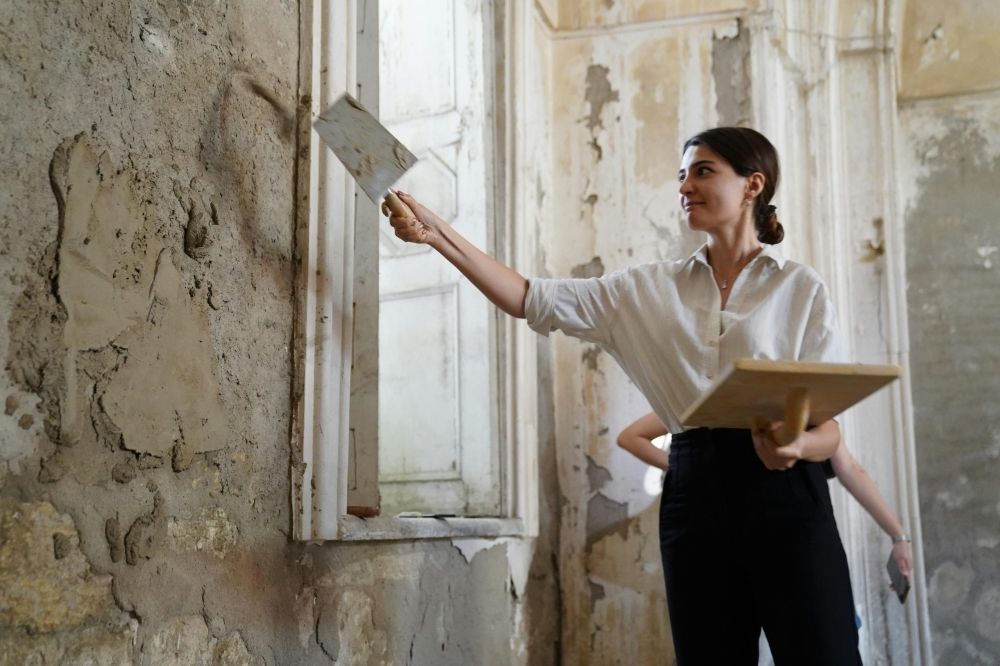
Many landlords, trying to manage costs, attempt to handle water damage with shop vacuums, box fans, and DIY dehumidifiers. In a rental context, this approach carries serious risks that go beyond the immediate property damage:
- Hidden Moisture Causes Structural Damage: Water migrates into wall cavities, subfloors, and ceiling systems that aren’t visible to the naked eye. Without thermal imaging and moisture meters, wet areas are missed and dry incorrectly.
- Mold Growth Creates Liability: Mold that develops due to improper drying in a rental unit can affect tenant health. Landlords who fail to properly remediate mold face significant legal exposure in most jurisdictions.
- Insurance Claims Require Documentation: Professional restoration companies produce moisture logs, drying reports, and scope-of-work documentation that insurance adjusters require. DIY cleanup often invalidates or complicates claims.
- Multi-unit Buildings Require Containment: In buildings with shared systems and adjacent units, water damage must be contained to prevent migration. Professional protocols include proper containment barriers and air quality management.
When water damage strikes a rental property, the decision to get professional help from a certified Water Damage restoration company like Ideal Response isn’t just a quality-of-life choice — it’s a legal and financial one. Certified technicians bring IICRC-standard drying protocols, full documentation for insurance purposes, and the equipment to handle damage at any scale.
Insurance: What Landlords and Tenants Each Need to Know?
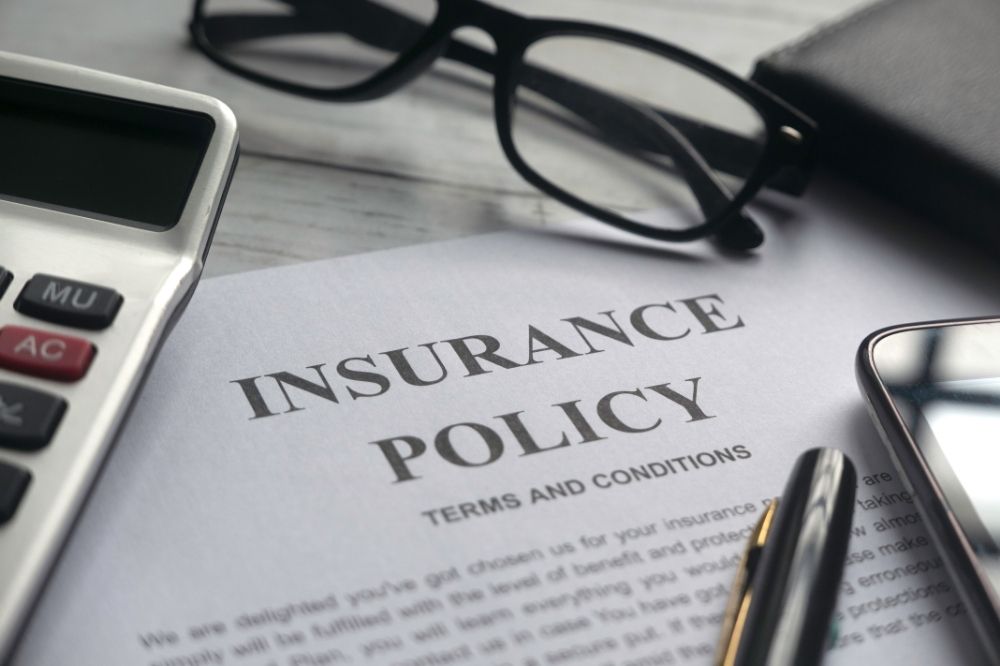
One of the most common and costly misunderstandings in rental water damage situations is the assumption that the landlord’s building insurance covers tenant contents or that one party’s insurance will cover everyone’s losses. It doesn’t work that way.
1. Landlord Insurance (Rental Property / Dwelling Policy)
Covers the physical structure of the building; walls, floors, ceilings, fixed appliances, and building systems. It does not cover tenant personal belongings, and it does not cover damage caused by the landlord’s own negligence in most cases.
2. Tenant / Renter’s Insurance
Covers the tenant’s personal contents, additional living expenses if the unit becomes uninhabitable, and liability if the tenant’s actions caused damage. Despite being widely affordable – typically available for a modest monthly premium – a significant share of renters still does not carry this protection.
Less than half of renters in the U.S. carry renter’s insurance, according to the Insurance Information Institute – leaving the majority exposed to significant personal property loss in the event of water damage. – Insurance Information Institute – Renters Insurance
Landlords in many jurisdictions are legally permitted to require tenants to carry renter’s insurance as a condition of the lease. This is a simple, cost-effective protection for both parties and one that significantly reduces the likelihood of disputes after a water event.
Prevention: The Cheapest Form of Water Damage Restoration
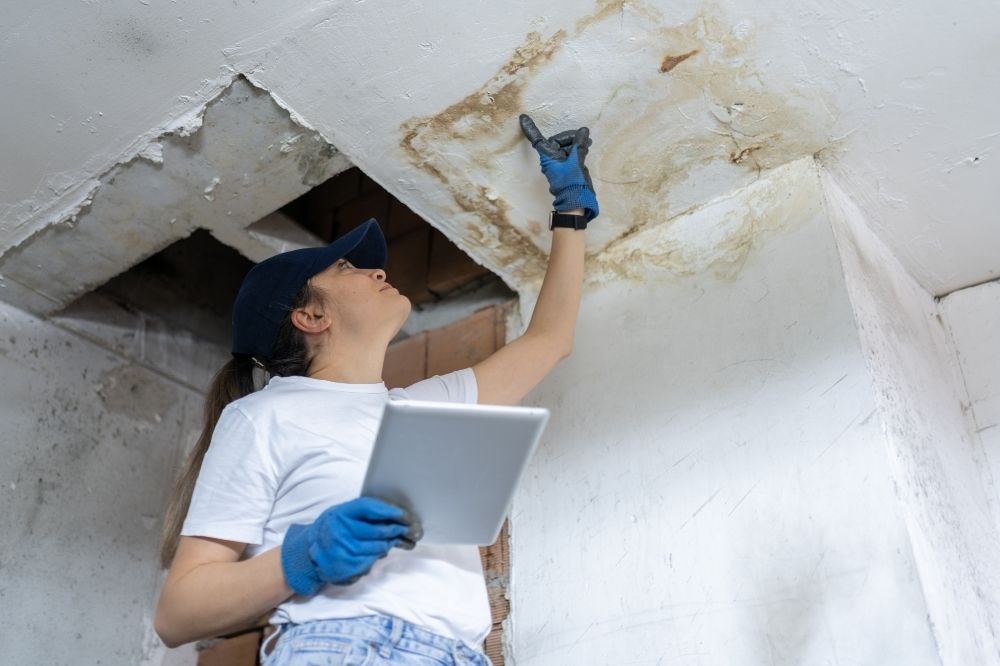
Water damage in rental properties can be dramatically reduced with proactive maintenance. The following measures are consistently recommended by property insurance providers and restoration industry bodies:
- Inspect roofing, gutters, and flashing annually and after major storms
- Replace washing machine hoses every 3 to 5 years with braided steel versions
- Install water detection sensors near appliances, under sinks, and in basements
- Insulate pipes in unheated spaces before winter in cold climates
- Ensure sump pumps are tested and operational before rainy seasons
- Respond to tenant maintenance requests involving plumbing within 24 to 48 hours
- Include water damage reporting procedures in your lease and tenant orientation
The U.S. EPA’s WaterSense program notes that small, consistent leaks – left unaddressed can waste tens of thousands of gallons per year and silently damage structural materials over time. Early detection is consistently one of the most cost-effective investments a property owner can make.
Final Thoughts: Communication, Documentation, and Fast Action
Water damage in rental properties is as much a relationship challenge as it is a physical one. The landlords and tenants who navigate it best share a few things in common: they communicate quickly and clearly, they document everything, and they bring in professionals rather than hoping the problem dries out on its own.
If you’re a landlord dealing with a water incident at a rental property whether it’s a single unit or a multi-building portfolio, the path forward starts with a rapid, expert response. Proper drying prevents mold. Proper documentation protects your insurance claim. And proper communication with your tenant protects your relationship and your legal standing.
Don’t let a manageable situation become a costly, drawn-out disaster. Act fast, bring in the right people, and follow the process.
Also Read: How Water Damage Cleanup Services Prevent Mould and Structural Damage
FAQs on Water Damage in Rental Properties
1. What should a Tenant do First After Noticing Water Damage?
Immediately inform the landlord, stop the water source if possible, and document the damage with photos/videos.
2. What if the Landlord Delays Repairs?
If a tenant reported the issue and the landlord failed to act, the landlord may be held responsible for resulting damage.
3. Why is Professional Restoration Important?
Professionals ensure proper drying, prevent mould, and provide documentation required for insurance claims.
4. Is Renter’s Insurance Mandatory?
Not always, but landlords can require it in lease agreements, and it is highly recommended.
Author & Expert Review
Written By:  Kinjal Mistry | Civil Engineer & Senior Content Writer

| Credentials: B.E. (Dharmsinh Desai University, Nadiad, Gujarat). Experience: Civil Engineer with 9 years of content writing experience, currently writing impactful articles for Gharpedia, part of SDCPL. Expertise: Specializes in writing well-researched content on home improvement, sustainability, building materials, home interior, DIY, and plumbing technology with everyday clarity. Find her on: LinkedIn |
Verified By Expert:  Shekhar J. Parikh – Co Founder – Gharpedia | Director – SDCPL

This article has been reviewed for technical and execution accuracy by Shekhar J. Parikh, Director and Consulting Engineer at Sthapati Designers & Consultants Pvt. Ltd. With over 40 years of experience in civil engineering, project execution, and construction management across Gujarat and Maharashtra, he ensures the content reflects practical site knowledge, quality control standards, and industry best practices, while also supporting informed decision-making for property buy, sell, and rent considerations.
Find him on : Linkdin