Table of Contents
Quick Summary
- Explores how weatherproof outdoor roller blinds perform against wind and rain
- Breaks down the importance of fabric choice, tracks, and sealing
- Explains why installation quality affects real world performance
- Compares shade only blinds with true weather resistant systems
- Highlights benefit for year-round outdoor living in Australian conditions
- Covers maintenance tips to ensure long term durability
- Sets realistic expectations for everyday versus extreme weather
Outdoor roller blinds are a popular addition to patios, alfresco areas, balconies, and verandahs across Australia. They promise year-round usability, protection from the elements, and a more comfortable outdoor living space. One of the most common questions homeowners ask is whether weatherproof outdoor roller blinds actually block wind and rain, or if they are more about shade and privacy.
The short answer is yes, quality outdoor roller blinds can block wind and rain very effectively. The long answer depends on how they are designed, installed, and used.
What Makes Outdoor Roller Blinds Weatherproof?

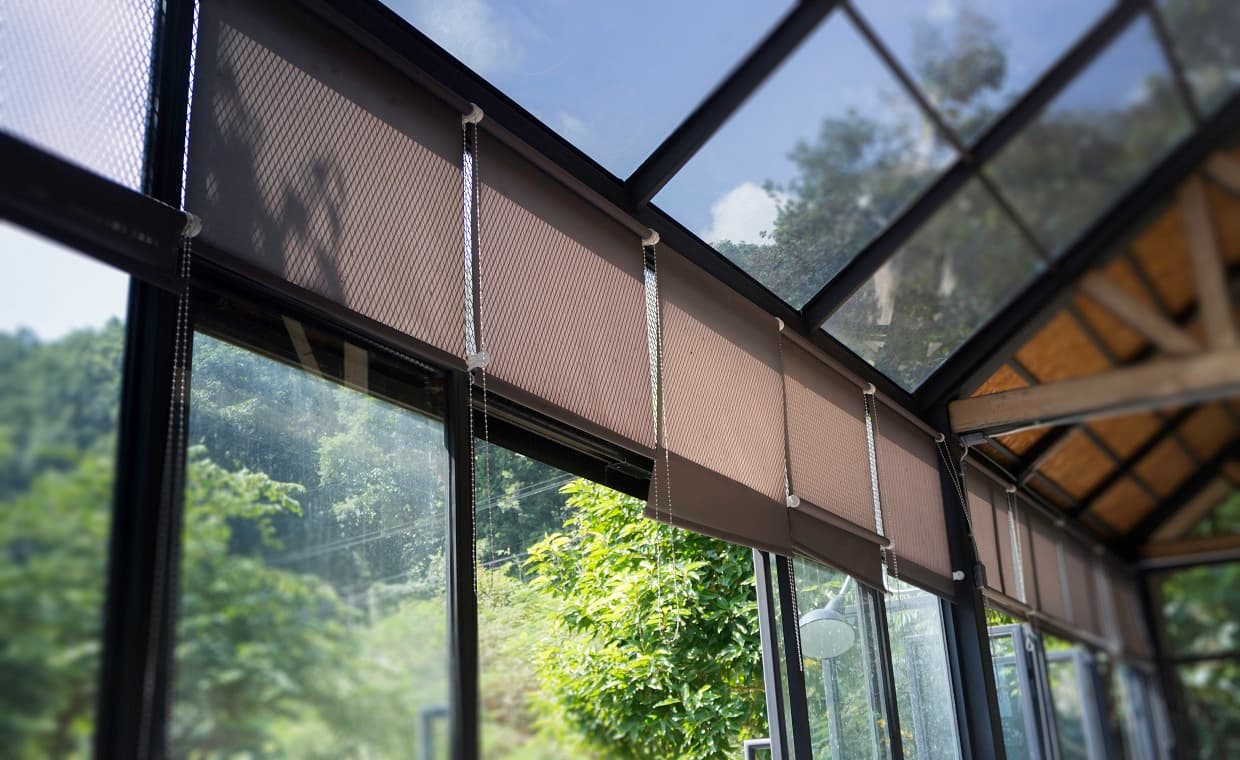
Not all outdoor blinds are created equal. True weatherproof outdoor roller blinds are built with materials and systems designed to handle external conditions, not just sunlight.
The fabric is a major factor. Weather-rated PVC and mesh fabrics are designed to resist water penetration while maintaining durability. Clear PVC blinds, in particular, are highly effective at stopping wind and rain while still allowing visibility.
Equally important is the track or guide system. Blinds that run within side channels or tracks are far more effective at blocking wind and rain than free-hanging designs. The tighter the seal along the edges, the less opportunity there is for wind gusts or water to enter.
How Well Do Outdoor Roller Blinds Block Wind?

Wind protection is one of the biggest advantages of properly installed outdoor roller blinds. By creating a barrier around an open area, blinds reduce airflow and make spaces more usable during breezy conditions.
Track-guided systems are especially effective. They prevent the blind from billowing or flapping, which is common with basic café-style blinds. This stability allows the blind to hold its position even in moderate to strong winds.
While no blind system is designed to withstand extreme storms or cyclonic conditions, high-quality outdoor roller blinds significantly reduce wind exposure in everyday weather. This makes outdoor dining and entertaining far more comfortable.
Do Outdoor Roller Blinds Stop Rain?

When it comes to rain, outdoor roller blinds perform best when they are designed with weather sealing in mind. Clear PVC blinds and tightly woven fabrics can block wind-driven rain very effectively.
Side channels help stop water from blowing in at the edges, while weighted bottom rails help the blind sit flush against the ground or sill. When installed correctly, this setup creates a strong barrier that keeps most rain out of the enclosed space.
It is worth noting that outdoor roller blinds are not the same as solid walls. During heavy storms with extreme wind and sideways rain, some moisture may still enter. However, for typical rainfall and showers, weatherproof blinds provide excellent protection.
The Importance of Proper Installation

Even the best outdoor roller blinds will underperform if they are poorly installed. Gaps, uneven tracks, or incorrect tension can all reduce effectiveness against wind and rain.
Professional installation helps align the blinds correctly and fit them tightly within the opening. Installers also consider drainage paths, mounting surfaces, and exposure to prevailing winds, all of which influence performance.
In Australian conditions, where weather can change quickly, attention to installation details makes a noticeable difference.
Are All Outdoor Roller Blinds Suitable for Harsh Weather?
Some outdoor blinds are designed primarily for shade and privacy rather than full weather protection. These blinds may still reduce glare and heat but offer limited resistance to wind and rain.
Weatherproof outdoor roller blinds are usually thicker, heavier, and supported by tracks or cables. They are specifically marketed for wind and rain protection and often come with wind ratings or performance guidelines.
If blocking weather is your main goal, it is important to choose a system designed for that purpose rather than a basic drop-down blind.
How Outdoor Roller Blinds Improve Year-Round Use
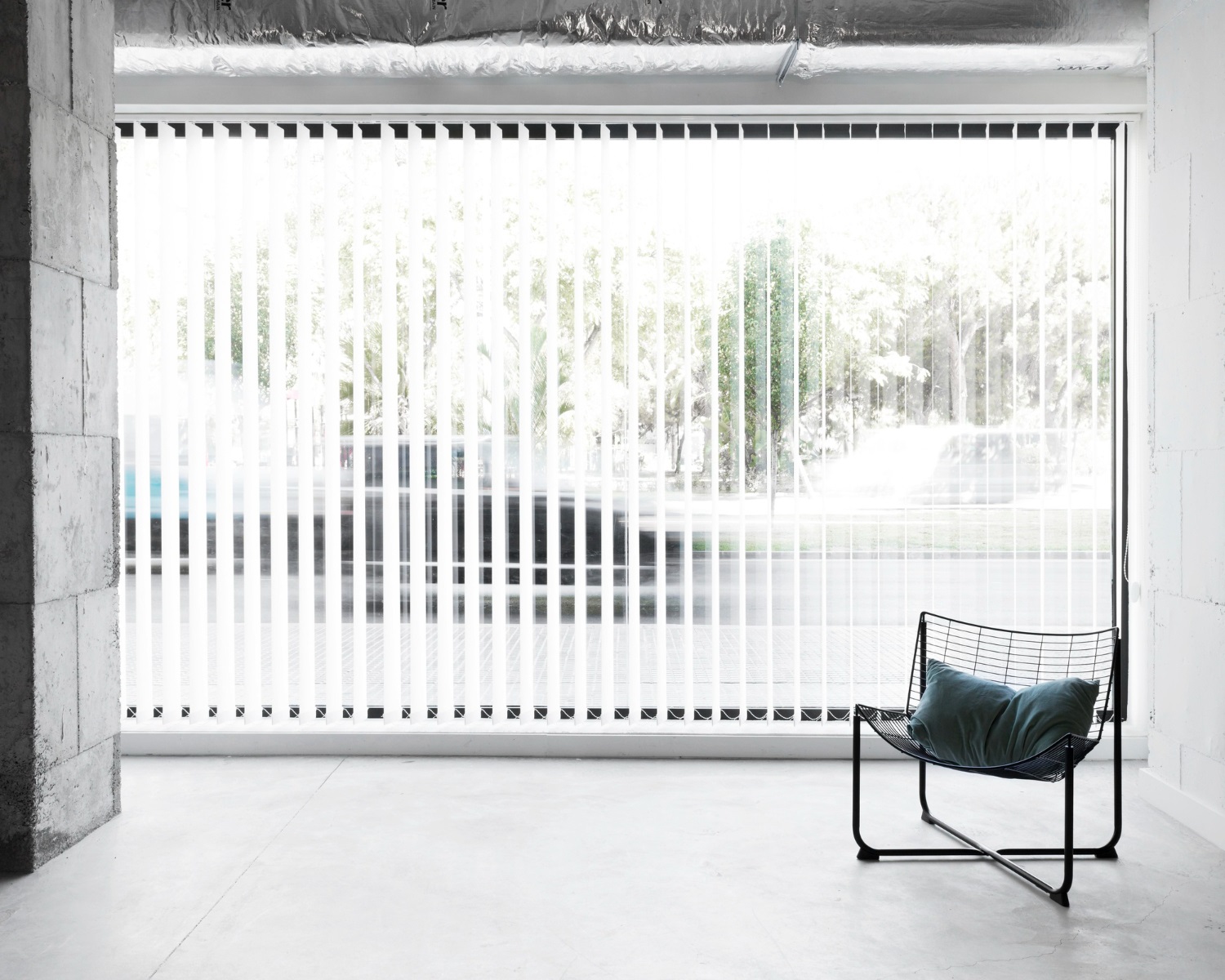
By reducing wind and rain exposure, outdoor roller blinds effectively extend the usability of outdoor spaces. Areas that were once limited to calm, sunny days can be used more frequently throughout the year.
In cooler months, blinds help retain warmth when combined with outdoor heaters. In summer, they reduce wind gusts while still allowing airflow if mesh fabrics are used.
This flexibility is why many homeowners see outdoor roller blinds as a functional upgrade rather than a purely cosmetic one.
Maintenance and Longevity in Wet Conditions
Weatherproof outdoor roller blinds are designed to handle moisture, but regular care helps them last longer. Allowing blinds to dry before rolling them up reduces the risk of mould or mildew.
Quality materials resist UV damage and water exposure, which is particularly important in coastal or high-rainfall areas. Occasional cleaning and inspections keep the system operating smoothly.
Choosing a reputable supplier with products suited to local conditions adds confidence in long-term performance.
What to Expect in Real-World Conditions
In real-world use, well-made outdoor roller blinds block most wind and rain encountered during everyday weather. They create a calmer, drier environment that feels more like an enclosed room than an exposed outdoor area.
They are not a replacement for solid walls or fully enclosed structures, but they come surprisingly close in terms of comfort and protection.
Final Thoughts on Weatherproof Outdoor Roller Blinds
Weatherproof outdoor roller blinds do more than provide shade. When designed and installed correctly, they are highly effective at blocking wind and rain, making outdoor areas more practical throughout the year.
The key lies in choosing quality materials, track-guided systems, and professional installation. With the right setup, outdoor roller blinds can transform exposed spaces into comfortable, usable extensions of your home, even when the weather turns against you.
Also Read: How to Care for Your Sun Shades During the Off-Season
FAQs – Weatherproof Outdoor Roller Blinds
01. Do weatherproof outdoor roller blinds completely block rain?
They block most rain very effectively, especially wind driven rain, but they are not a full substitute for solid walls during extreme storms.
02. Are outdoor roller blinds suitable for windy areas?
Yes, track guided systems are designed to stay stable and reduce wind exposure in most everyday conditions.
03. What fabric works best for wind and rain protection?
Clear PVC and tightly woven weather rated fabrics offer the highest level of protection.
04. Can outdoor roller blinds be used all year round?
When installed correctly, they allow outdoor areas to be used in most weather conditions throughout the year.
05. Do outdoor roller blinds need special maintenance in wet climates?
Regular cleaning and allowing blinds to dry before rolling them up helps prevent mould and extends their lifespan.
Author & Expert Review
Written By:  Gaurav Mishra | Civil Engineer & Content Writer
| Credentials: B.E. (Mahavir Swami College, Surat), Registered with Bhagwan Mahavir University (BMU). Experience: Civil Engineer with 5+ years of content writing experience, currently writing impactful articles for Gharpedia, part of SDCPL. Expertise: Specializes in writing well-researched content on residential construction, construction materials, design planning, on-site practices, and safety, blending technical accuracy with everyday clarity. Find him on: LinkedIn |
Verified By Expert:  Farhan Shaikh – Senior Manager – Architect, SDCPL | Associate Member – IIA
This article has been reviewed for architectural and interior design accuracy by Farhan Shaikh, Senior Manager – Architect at Sthapati Designers & Consultants Pvt. Ltd. As the lead for all architectural and interior projects at SDCPL and an Associate Member of the Indian Institute of Architects (IIA), he brings hands-on experience in architectural planning, interior design, project coordination, and sustainable strategies. His review ensures the content reflects practical design considerations, industry best practices, and real-world applicability across both architecture and interior spaces.
Find him on : Linkedin