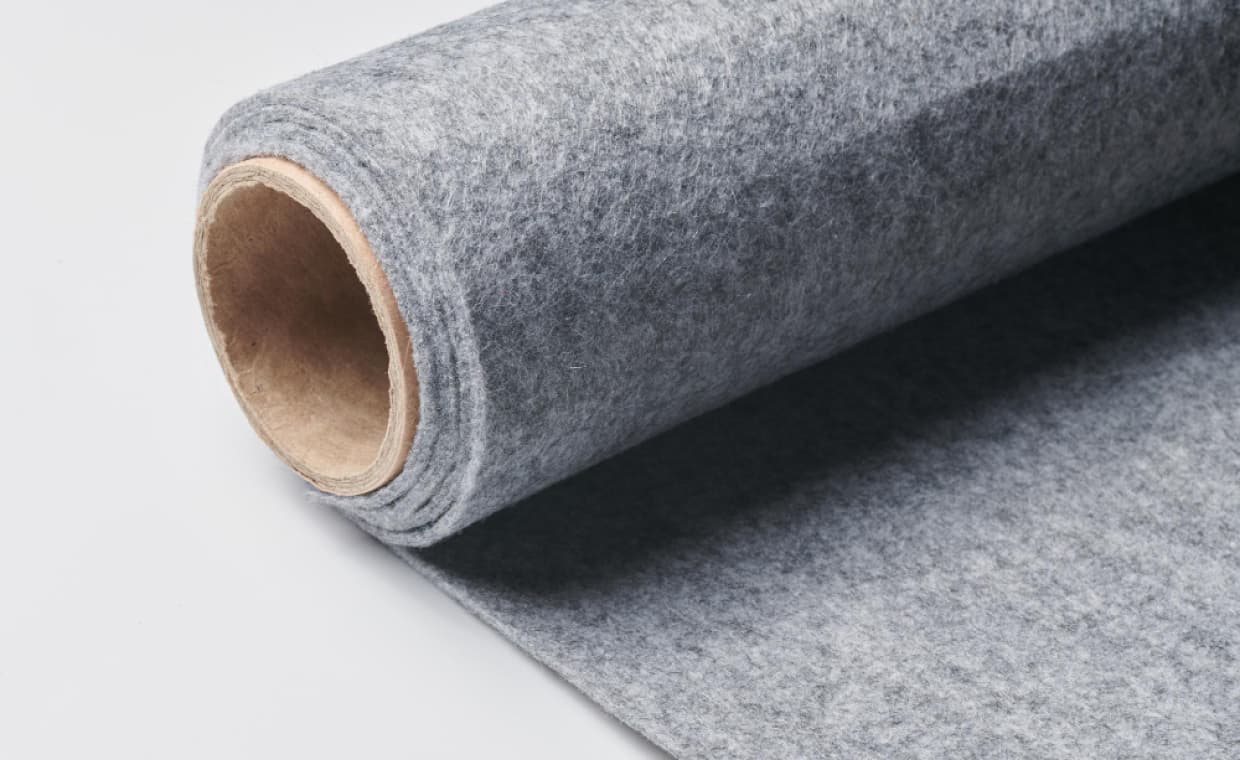
Table of Contents
Quick Overview
Here is a quick summary of PET Felt for sound control:
- PET Felt absorbs noise, reduces echo, and improves speech clarity.
- It has design-friendly options such as flexible colours, forms, and styles without sacrificing performance.
- Lightweight, fast to install, ideal for new builds and retrofits.
- It ismade up of recycled material, supports green building standards.
- Holds shape, resists wear, and performs well in high-traffic areas.
PET felt has quickly moved from a niche option to a reliable standard in acoustic design industry. It gives amazing sound control, adapts to evolving interiors, and helps to avoid costly compromises later. Also, its durability and environmental advantages position it as more than a passing preference. Designers who choose PET felt aren’t just reacting to trends; they are investing in spaces that perform better for everyone inside them.
Acoustic Performance That Delivers Measurable Results
When designers talk about real acoustic impact, they usually point to the noise reduction coefficient. PET consistently scores high here, meaning it absorbs sound rather than letting it bounce around the room. That translates into fewer distractions, clearer conversations, and a space that simply feels more controlled from the moment you step inside.
The team behind materiallogiq.com claims that one reason professionals lean toward PET felt is its ability to absorb mid to high frequency sounds, which tend to cause the most irritation in busy environments. Think ringing phones, keyboard chatter, or overlapping conversations. Those sounds don’t just fade into the background on their own; however, PET felt helps soften them before they build into a constant hum.
Echo can make even a beautifully designed room feel uncomfortable. Hard surfaces reflect sound back into the space, and suddenly every movement feels louder than it should. PET felt interrupts that cycle by catching those sound waves early, reducing reverberation, and making the entire environment feel calmer without requiring dramatic structural changes.
Speech clarity often determines whether a space supports productivity or quietly works against it. In meeting rooms, classrooms, or collaborative zones, people need to hear one another without leaning forward or repeating themselves. PET felt supports that clarity, and you notice the difference quickly once conversations stop competing with the room itself.
Design Flexibility Without Compromising Function
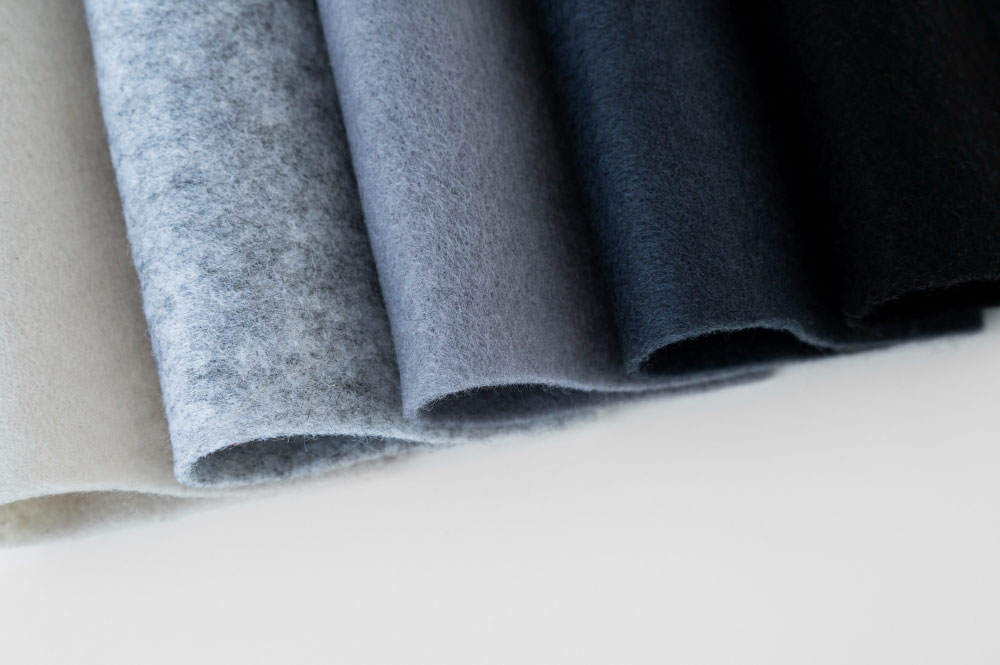
Designers rarely want to choose between performance and appearance, which explains why PET felt keeps gaining attention. It comes in an impressive range of colours and finishes, so matching a brand palette or setting a specific mood feels far less restrictive. The material doesn’t force design into a corner; instead, it opens up creative options.
Customization plays a huge role in modern interiors, and PET felt responds well to that demand. Teams can shape it into panels, ceiling baffles, tiles, or even sculptural features that double as acoustic solutions. That freedom allows designers to treat sound control as part of the visual story rather than something hidden behind the scenes.
Many workplaces now lean toward modern or biophilic aesthetics, blending clean lines with natural influences. PET felt fits comfortably into both directions. Its texture adds warmth without overwhelming the space, and it complements materials like wood, metal, and glass while quietly improving the acoustic experience that people often underestimate.
Some acoustic materials stand out a little too much, pulling attention away from the rest of the interior. PET felt can do the opposite. It integrates smoothly into ceilings or feature walls, supporting the overall composition rather than competing with it. You get a cohesive look while the room performs better.
PET Felt Lightweight Material That Simplifies Installation
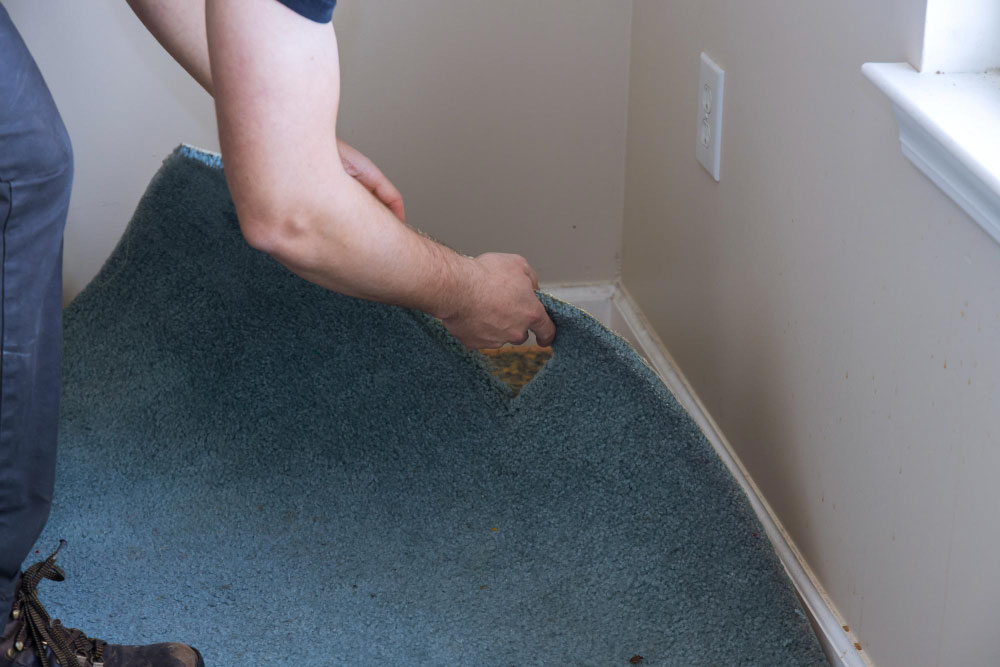
Handling heavy acoustic materials can slow a project down before it really gets moving. PET felt avoids that problem because crews can lift, position, and secure it with far less effort. That lighter weight reduces fatigue during installation and helps teams maintain momentum, especially when deadlines start closing in.
Speed matters on nearly every build, and materials that cooperate tend to win favour quickly. PET felt supports faster installation timelines since it usually requires fewer structural adjustments. Projects move forward with fewer interruptions, and designers don’t have to constantly rethink their plans to accommodate complicated mounting requirements.
Structural load doesn’t always dominate early conversations, yet it can shape what becomes possible later. Because PET felt adds minimal weight, ceilings and walls don’t need as much reinforcement. That flexibility gives architects more breathing room and helps prevent costly redesigns that often arise when engineering constraints enter the discussion.
Retrofits often bring their own set of headaches, particularly when older buildings resist major changes. PET felt slides into these situations more comfortably than bulkier alternatives. Teams can upgrade acoustics without tearing everything apart, which means businesses experience less downtime while still gaining a noticeable improvement in sound control.
Sustainability That Aligns with Modern Building Standards

Sustainability has shifted from a nice extra to a clear expectation, and PET felt answers that shift convincingly. Many versions come from recycled plastic bottles, turning what could have been waste into something practical. Designers appreciate materials that advance environmental goals without compromising performance.
Green building certifications increasingly influence material selection, and PET felt often supports those ambitions. Choosing products that align with recognized standards can simplify documentation while strengthening the project’s environmental profile. Clients notice these decisions too, especially when sustainability plays a role in their brand identity.
Indoor air quality deserves more attention than it sometimes receives. PET typically produces low levels of volatile organic compounds, helping maintain a healthier indoor environment. People may not immediately see that benefit; however, they often feel it through improved comfort and fewer complaints about stuffy or irritating spaces.
Circular design keeps gaining traction as teams think beyond a single lifecycle. PET felt supports that mindset because recycled inputs and long usability reduce overall waste. Instead of treating materials as disposable, designers can specify something that fits into a broader strategy focused on responsible sourcing and longer-term value.
Durability Suited for High-Traffic Environments
Busy environments demand materials that won’t deteriorate at the first sign of stress. PET felt handles moisture better than many expect, and it resists mildew as well. That resilience makes it a dependable option for spaces where humidity fluctuates or where daily use leaves little room for fragile finishes.
Shape retention might sound like a minor detail until panels begin to warp or sag. PET felt holds its form over time, which keeps installations looking intentional rather than worn. Maintenance teams appreciate that reliability since it reduces the need for constant adjustments that quietly drain operational budgets.
Colour consistency also matters more than people admit. When materials fade unevenly, the entire room starts to feel dated. PET felt tends to stay colourfast, helping interiors maintain their original character longer. Designers can commit to bold choices without worrying that sunlight or regular exposure will dull the effect too quickly.
Cracks and chips often signal the beginning of replacement conversations nobody wants to have. PET feels avoid much of that vulnerability thanks to its flexible structure. It absorbs minor impacts rather than showing them off, keeping surfaces clean even in corridors, offices, or collaborative zones where movement rarely stops.
Wrap up
Designers are switching to PET felt because it solves multiple challenges at once without complicating the process. It controls noise, supports creative freedom, and aligns with sustainability goals that many projects now prioritize. Moreover, it installs easily and holds up under daily use, which makes it a practical long-term choice. When a material improves comfort while still looking intentional, the decision becomes much easier.
Also Read: Are Acoustic Pods the Ideal Solution to the Shortcomings of Open-Plan Offices?
FAQs on PET Felt for Sound Control
1. How does PET Felt Improve Acoustic Performance?
It has a high noise reduction coefficient (NRC), meaning it absorbs mid- to high-frequency sounds like speech, phone noise, and office chatter before they build up.
2. How Easy is PET Felt to Install?
PET felt is lightweight and easy to handle, which speeds up installation and reduces the need for structural reinforcement.
3. Does PET Felt Affect Indoor Air Quality?
PET felt typically emits low levels of VOCs, helping maintain healthier indoor air quality.
4. Does PET Felt Limit Design Options?
No. PET felt comes in many colours, finishes, and forms, allowing designers to create panels, baffles, tiles, or sculptural features that enhance both acoustics and aesthetics.
Author & Expert Review
Written By:  Kinjal Mistry | Civil Engineer & Senior Content Writer
| Credentials: B.E. (Dharmsinh Desai University, Nadiad, Gujarat). Experience: Civil Engineer with 9 years of content writing experience, currently writing impactful articles for Gharpedia, part of SDCPL. Expertise: Specializes in writing well-researched content on home improvement, sustainability, building materials, home interior, DIY, and plumbing technology with everyday clarity. Find her on: LinkedIn |
Verified By Expert:  Mansi Shah – Architect & Architectural Content Writer, SDCPL | B.Arch.
This article has been reviewed for architectural and interior design accuracy by Mansi Shah, an Architect associated with Sthapati Designers & Consultants Pvt. Ltd. (SDCPL). With over 25 years of professional experience in architectural planning, design development, detailing, and on-site execution of residential, commercial, and institutional projects, she brings deep expertise in architecture and interior planning, material selection, construction practices, and building bylaws. Her review ensures the content reflects practical design principles, interior space efficiency, and industry-aligned architectural standards.
Find him on: LinkedIn