Table of Contents
Quick Overview
Here is the quick overview on prefabrication and modular construction:
- Prefabrication: Off-site manufacturing of components; modular allows entire building sections built as modules.
- Benefits: Faster delivery, reduced site disruption, better cost predictability, higher quality via factory controls.
- Sustainability: Less waste, energy-efficient, cleaner sites.
- Builder selection: Choose experienced, well-coordinated, with local knowledge and strong project management.
Commercial construction is changing, quietly but steadily. Traditional building methods have their place, but more projects are using prefabrication and modular construction to meet tighter deadlines and higher expectations. Many commercial builders are adapting to this shift, not because it is trendy, but because it makes practical sense in today’s construction environment.
This article highlights how prefabrication and modular construction work, why they are gaining popularity, and what to look for when choosing the right builder for these modern projects.
Understanding Prefabrication and Modular Construction
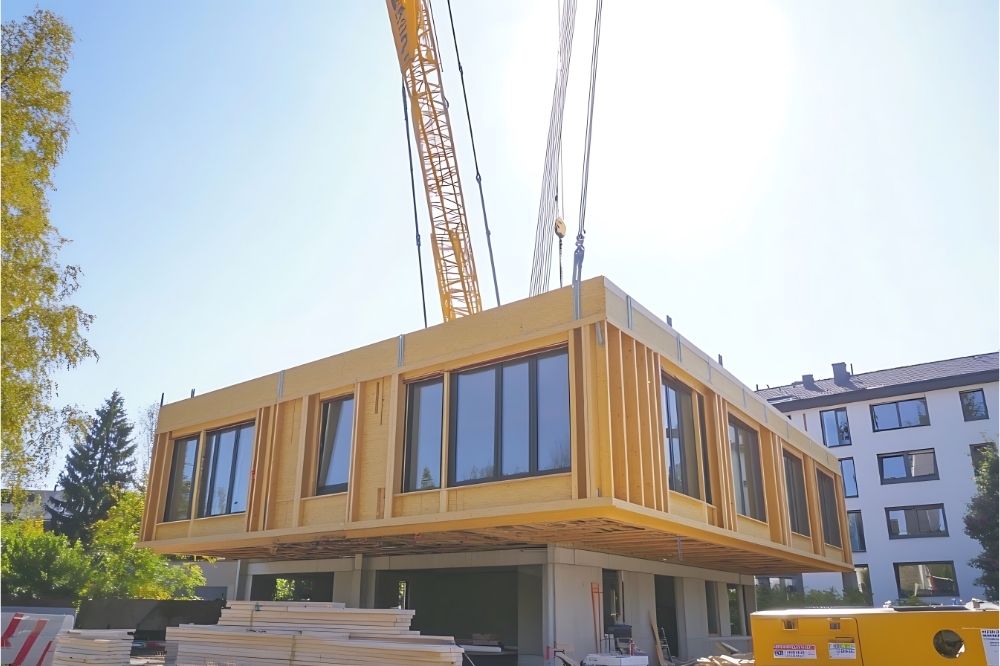
Manufacturing the building components in a controlled environment off-site is prefabrication. Components like walls, floors, ceilings, or service systems are included in it. After completion, they are transferred to the construction site for installation.
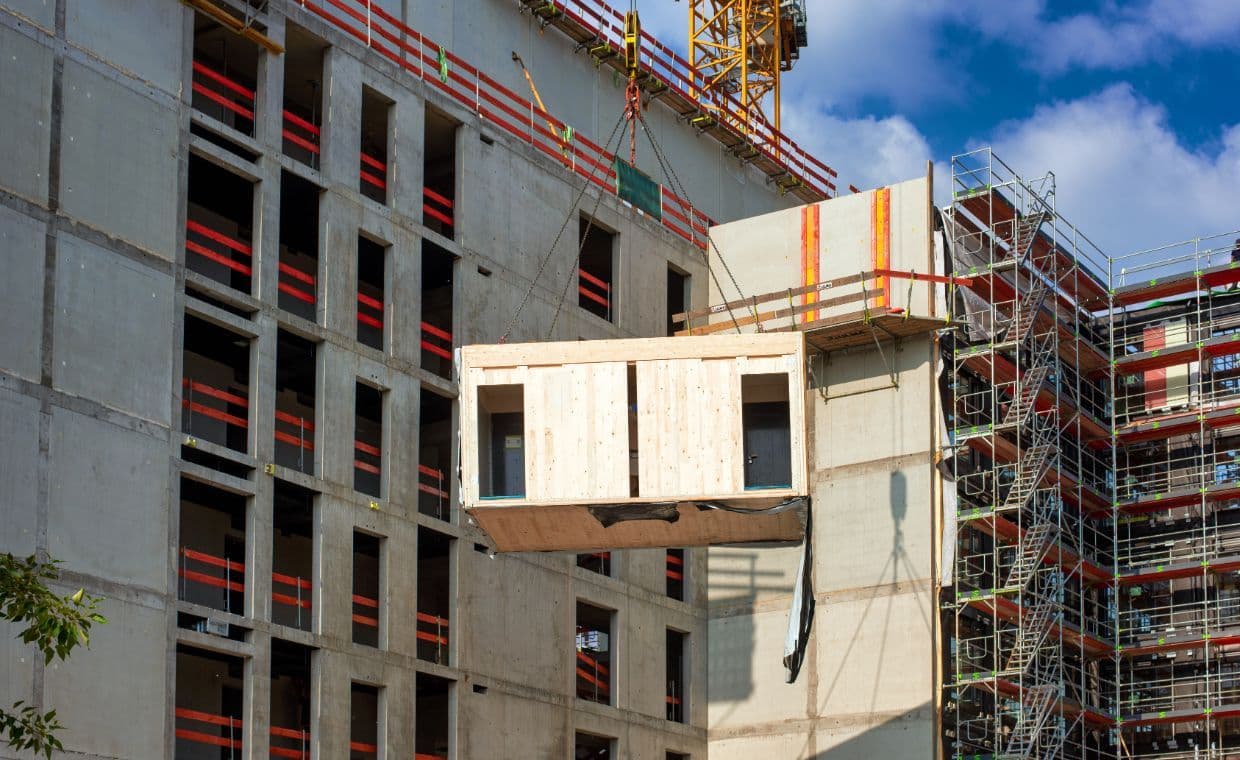
Modular construction goes a step further. Entire sections of a building, complete with internal finishes and services, are built off-site as modules. These modules are then transported and assembled on-site to form the final structure.
The main difference from traditional construction is timing and location. Conventional building relies heavily on sequential, on-site work. Modular methods allow site preparation and building fabrication to happen at the same time. This approach is used in commercial offices, healthcare facilities, education buildings, and retail developments across Melbourne.
Key Benefits for Commercial Projects
The biggest advantage of prefabrication is speed. Because much of the construction work happens off-site, projects can be completed faster. Weather delays are reduced, and scheduling becomes more reliable. For commercial developments, this means earlier handover and reduced downtime.
There is also less activity on the construction site. Fewer workers and shorter site durations lead to less noise, congestion, and disruption. This is important in busy urban areas where surrounding businesses continue operating during construction.
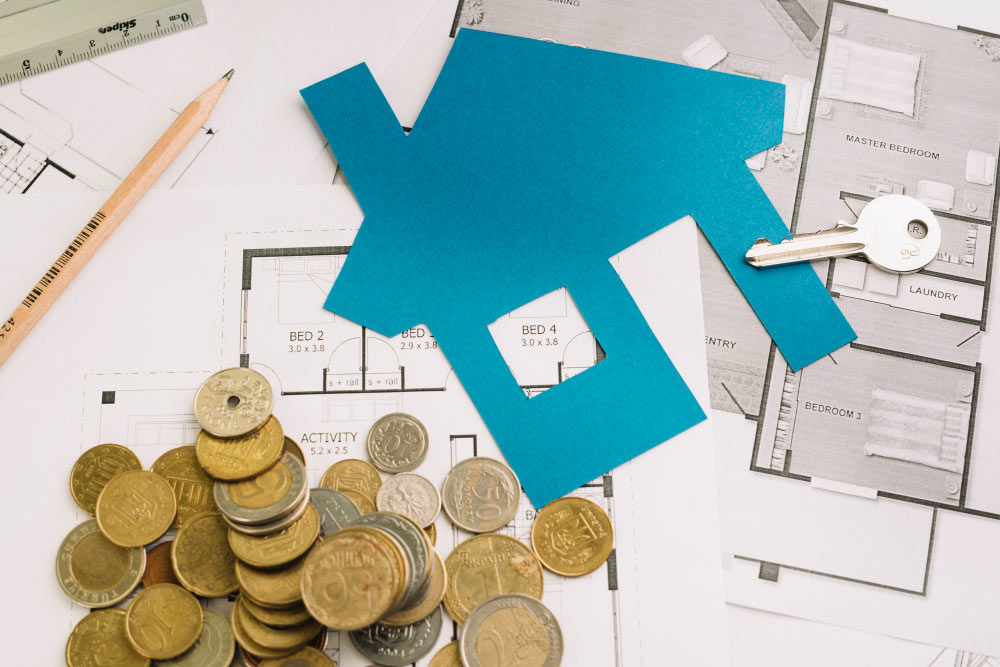
Another strong benefit is cost control. Modular construction projects are not always a cheap deal but have better budget predictability. It leads to clear labour costs, efficient material, and unexpected delays are reduced. Many commercial builders in Melbourne see this consistency as a major advantage for clients.
Quality is more consistent as well. Components produced in factory conditions are subject to regular checks and standardised processes. This reduces defects and rework, which can be costly and time-consuming on-site.
Environmental and Sustainability Advantages
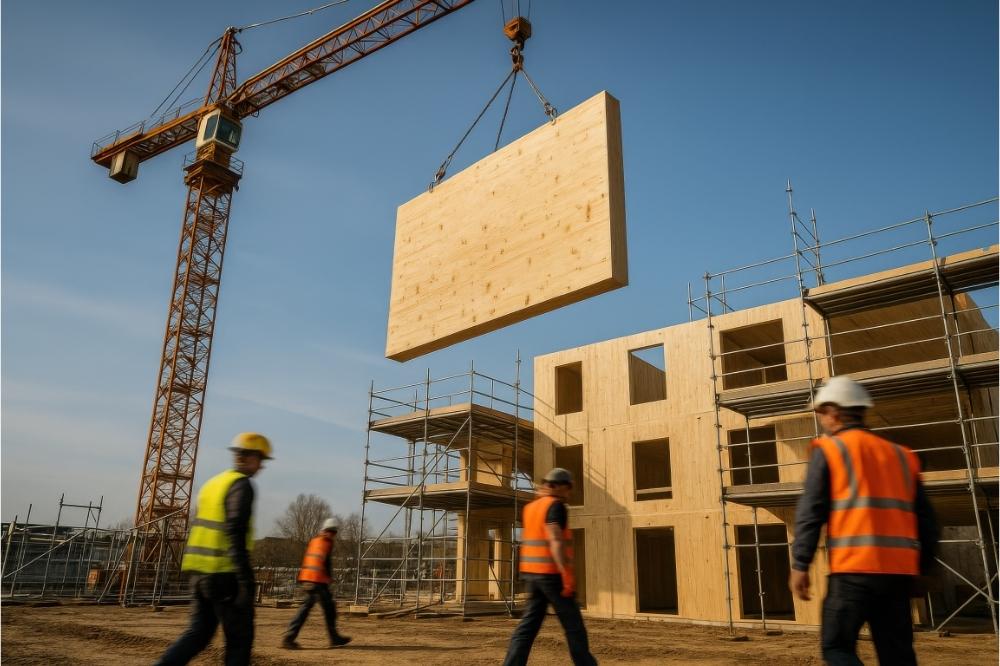
Sustainability is an increasing priority in commercial construction sector. Prefabrication supports this focus in several ways.
Off-site manufacturing produces less waste. Materials are measured accurately, and excess materials can be reused or recycled. This leads to cleaner sites and fewer landfill contributions.
Factory-based production also uses energy more efficiently. Processes are streamlined, and energy consumption is easier to manage than on open construction sites. Many modular buildings are designed with energy efficiency in mind, which can support greener building certifications and long-term operational savings.
Choosing the Right Builder for Modular Projects
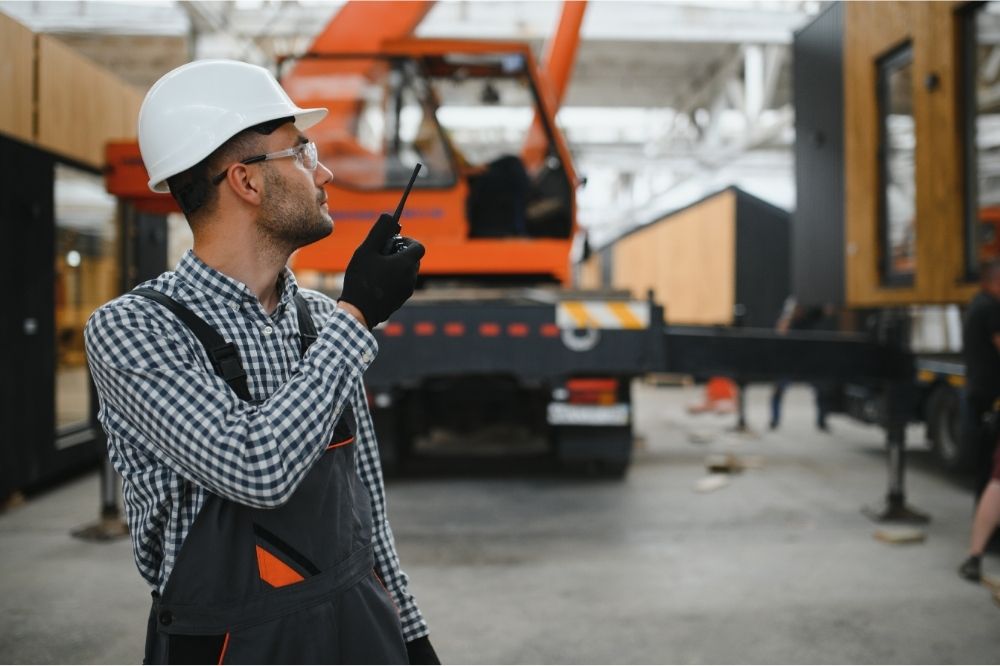
Selecting the right builder is critical for the success of a prefabricated or modular project. Not all builders have the experience or systems required for this type of construction. Co-ordination between design teams, manufacturers, transport providers, and on-site crews must be carefully managed.
It’s important to partner with trusted professionals specialised in modern techniques, for successful completion of projects requiring experienced commercial builders. Builders should also have strong precise knowledge of local planning requirements, transport regulations, and site constraints.
You should look for experience in handling modular projects, clear communication methods, and strong project management capabilities when choosing builder for your project. These factors decide the smoothness of the project progress.
Also Read: Modular & Prefabrication Construction Techniques
Conclusion
Commercial buildings are reshaped or transformed by prefabrication and modular construction. Major reasons for wide adoption of these methods are quick delivery, enhanced quality control, better cost management, and sustainability benefits. While these methods may not suit every project, they are now a practical and reliable option.
If you are planning a commercial development, it is worth understanding how these construction methods could work for you. Get in touch with trusted commercial builders to explore modern building solutions for your commercial project.
FAQs on Prefabrication and Modular Construction
01. What is Prefabrication in Commercial Construction?
Prefabrication involves manufacturing building components such as walls, floors, ceilings, or service systems in a controlled off-site environment. These components are then transported to the construction site for installation, reducing on-site work time and improving efficiency.
02. Does Modular Construction Help Control Project Costs?
Yes. While modular construction may not always be the cheapest option upfront, it provides better cost certainty. Clear labour costs, efficient material usage, and fewer unexpected delays help keep projects within budget.
03. What Environmental Benefits Does Prefabrication Offer?
Prefabrication generates less material waste, improves recycling opportunities, and uses energy more efficiently.