Table of Contents
Quick Overview
Here is the quick overview of efflorescence in paint:
- Efflorescence in paint appears as white, powdery crystalline deposits, usually on brickwork and plasterwork, due to salts present in building materials or water.
- It ruins the appearance of walls and can physically damage paint layers, particularly in areas with poor waterproofing.
- Primary causes are moisture in the substrate, porous paint films, inadequate drainage, improper material storage, and incomplete concrete curing.
- It can be identified by white powder, damp spots, discolouration or stains, and a crusty residue on touch, especially in humid or damp areas.
- Eliminate the moisture source before removal, and it can be cleaned with a stiff brush and washing.
Well-painted walls, good ventilation, and a welcoming ambiance are the universal requirements for every dream home. A painting work carried out properly can protect your home by placing a preventative barrier against wind and water and other natural threats. However, inadequate waterproofing can spoil the appearance and atmosphere of your room, leading to problems like dampness, peeling paint, blistering and flaking paint. Among them, efflorescence is one of the most dreaded painting defects associated with poor waterproofing on walls.
What is Efflorescence in Paint?
Efflorescence paint is crystalline (powdery) deposits, usually white in colour, are sometimes formed on the surface of painted surface. It has the appearance of salt-like deposits commonly observed on masonry walls. It mainly occurs due to the presence of salts in the building materials i.e. bricks, mortar, sands or even water used for construction or curing. Efflorescence is not only of aesthetic concern, as it can ruin the appearance and also physically damage the paint layers.
Now, let’s understand what are the causes of efflorescence paint.
Causes of Efflorescence Paint
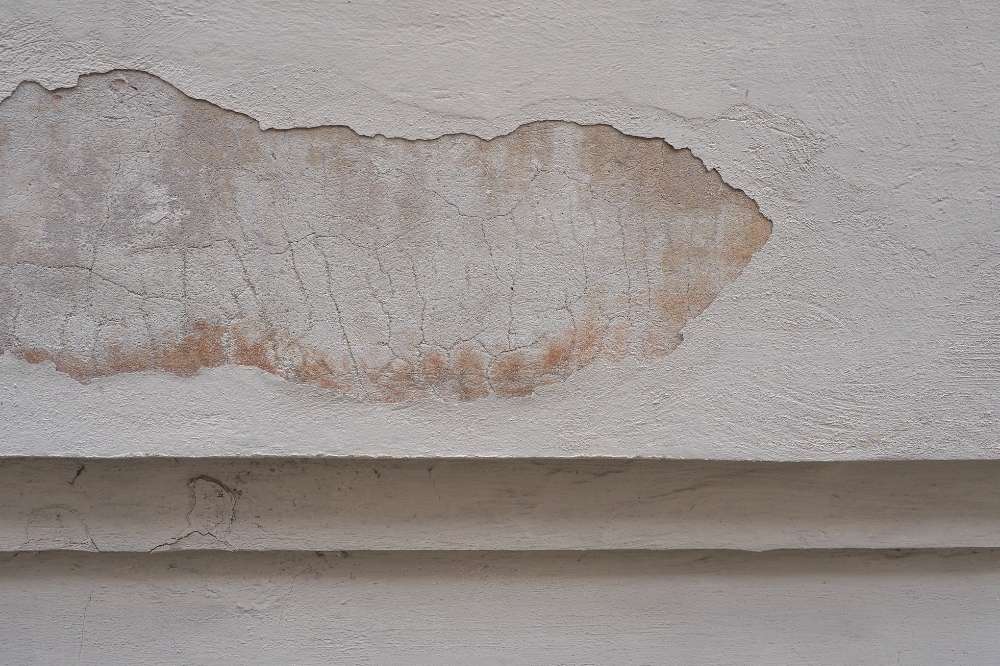
- The main cause of efflorescence paint is the presence of water or moisture in the substrate of building materials.
- In the case of porous films like emulsion paints, the salt solution can pass through the film, crystallising on the paint film. It can be brushed off the film without any harm.
- Accumulations of crystalline powder on the underside of the paint film which ultimately lead to paint breakdown, if the substrate is coated with an impervious coating like synthetic enamels.
- Improper drainage in the home can also cause efflorescence.
- Inappropriate ground storage.
- An incomplete hydration processor or improper curing of concrete can be the primary reason for efflorescence.
How to Spot Efflorescence?
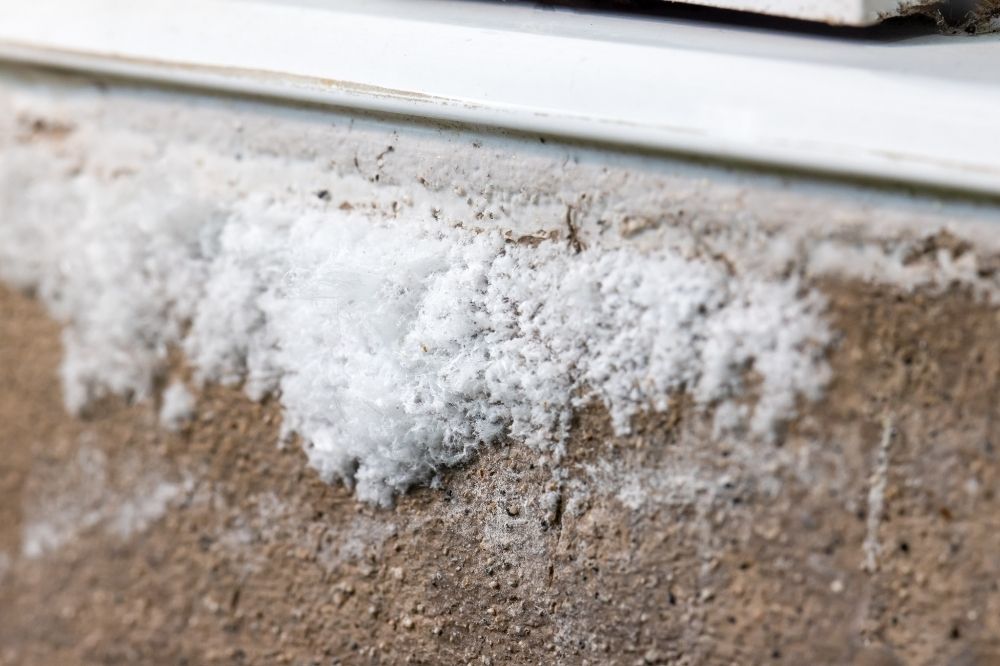
To address efflorescence paint promptly and effectively, it’s essential to spot it early on. Here are some pointers that will help you to identify efflorescence:
- White Powdery Deposits: This is the most evident sign of efflorescence on painted walls. It appears as white, chalky deposits on the walls or other surfaces.This defect is more noticeable during high humidity.
- Dampness: If you show moist or damp walls, especially in the basement or a water-exposed area, efflorescence may be probably present there.
- Discolouration and Stains: Discolouration or staining appears as streaks or patches on painted surfaces. As water evaporates, it leaves behind salt deposits, which cause unsightly marks on walls.
- Crusty Residue: When you touch the efflorescence-affected area, you may feel a crusty texture caused by the accumulation of salts on the surface.
Conclusion
Usually, efflorescence paint is the result of unrestrained moisture or water movement specifically caused by poor construction technique, poor design or poor workmanship. Before making an effort to remove efflorescence, the source of moisture should be eliminated. However, efflorescence can be removed easily by physically scrubbing with a stiff brush (easily available in market) and careful washing.
If you want to know more about how to treat efflorescence in paint, you may refer the following article:
How to Prevent and Remove Efflorescence in Paint?
FAQs on Efflorescence in Paint
1. How Can Efflorescence Affect Painted Walls?
Efflorescence can stain surfaces and physically damage paint layers by causing blistering, peeling, or flaking. It also signifies that underlying moisture issues that may harm the structure if untreated.
2. How to Prevent Efflorescence in Paint?
Make sure the surfaces are clean, dry, and free from cracks before you start painting work. Use primers and paints designed to resist salts and moisture. Moreover, good waterproofing and drainage are essential to prevent efflorescence.
3. Can Efflorescence Reoccur After its Removal?
Yes, it may return if moisture issues are not resolved or proper surface preparation and coatings are not applied.