

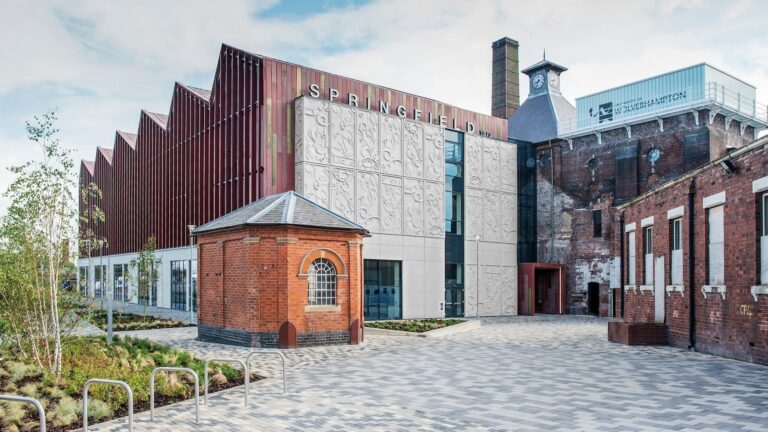
The renovation and reuse of pre-existing structures (such as warehouses) for new purposes
Technical Meaning: Adaptive reuse refers to the practice of repurposing existing buildings or structures for a new use, rather than demolishing them, with a focus on preserving their historic and architectural value while accommodating modern needs. Adaptive reuse is a sustainable architectural practice that involves repurposing existing buildings or structures for new uses, rather than demolishing them. It aims to preserve the historic, cultural, and architectural significance of these structures while adapting them to meet contemporary needs and functions. Adaptive reuse projects often involve retrofitting buildings with modern amenities, upgrading infrastructure, and redesigning interior spaces to accommodate new uses, such as converting old warehouses into residential lofts, factories into office spaces, or historic homes into museums or restaurants.
Simple Meaning: Adaptive reuse is like giving old buildings a new lease on life, transforming them into something new and useful while retaining their unique character and heritage. Adaptive reuse is like giving old buildings a second chance at life! Instead of tearing them down, we find new ways to use them that fit our modern needs. It’s a way to save old buildings with character and history, while also being eco-friendly by reducing waste and preserving our heritage.
Definition in One Word: Revitalize
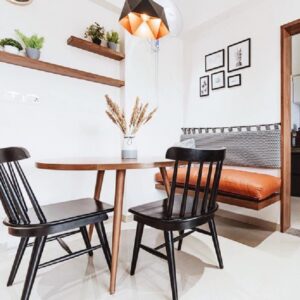
The renovation and reuse of pre-existing structures (such as warehouses) for new purposes
Technical Meaning: Adaptive reuse refers to the practice of repurposing existing buildings or structures for a new use, rather than demolishing them, with a focus on preserving their historic and architectural value while accommodating modern needs. Adaptive reuse is a sustainable architectural practice that involves repurposing existing buildings or structures for new uses, rather than demolishing them. It aims to preserve the historic, cultural, and architectural significance of these structures while adapting them to meet contemporary needs and functions. Adaptive reuse projects often involve retrofitting buildings with modern amenities, upgrading infrastructure, and redesigning interior spaces to accommodate new uses, such as converting old warehouses into residential lofts, factories into office spaces, or historic homes into museums or restaurants.
Simple Meaning: Adaptive reuse is like giving old buildings a new lease on life, transforming them into something new and useful while retaining their unique character and heritage. Adaptive reuse is like giving old buildings a second chance at life! Instead of tearing them down, we find new ways to use them that fit our modern needs. It’s a way to save old buildings with character and history, while also being eco-friendly by reducing waste and preserving our heritage.
Definition in One Word: Revitalize

You can be a part of our blogging community, write blogs and do much more. All you need is an account
Get In TouchSeries of Blogs on interesting/confusing Home Related Problems
Read Blogs