- Blogs
- Home Design
- ProfessionalsProfessionals by Categories
- Calculators
- More


Universal Design
Explanation
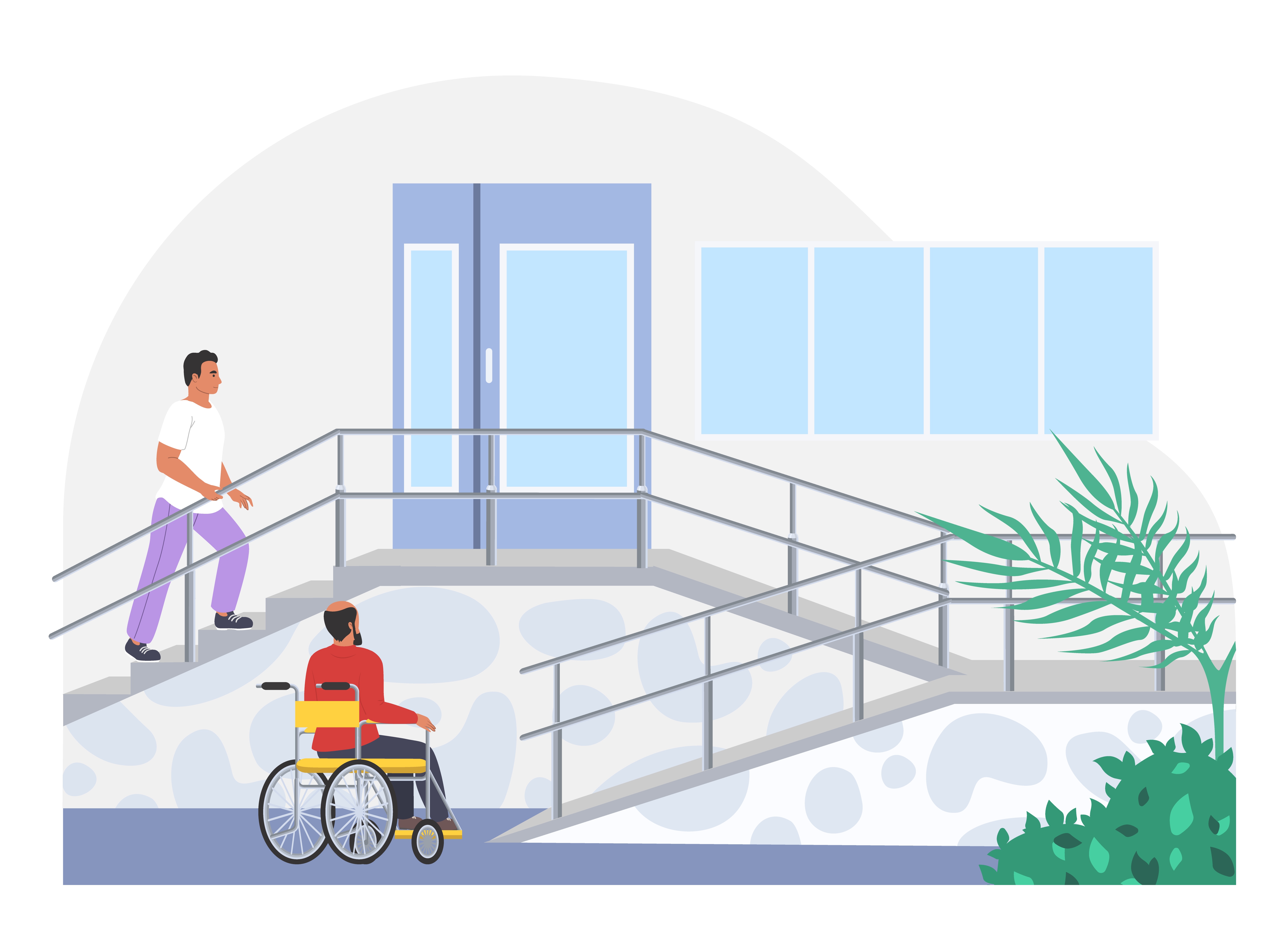
A style of architecture and design whose object is to make buildings and facilities easy to access and use by all people, including the young, the old, and the disabled.
Technical Meaning: Universal design is an inclusive design approach that aims to create environments, products, and systems accessible and usable by people of all ages, abilities, and backgrounds without the need for adaptation or specialized design. Universal design is a design philosophy and approach that aims to create environments, products, and systems that are accessible and usable by people of all ages, abilities, and backgrounds, without the need for adaptation or specialized design. Universal design principles emphasize inclusivity, flexibility, simplicity, and intuitive usability, with the goal of accommodating diverse needs and preferences from the outset. Examples of universal design features include curb cuts, ramps, wide doorways and hallways, lever door handles, adjustable-height countertops, tactile signage, and ergonomic furniture.
Simple Meaning: Universal design is about making things “user-friendly” for everyone, regardless of their physical or cognitive abilities, by considering diverse needs and preferences from the outset. Universal design is about making things work for everyone, no matter who they are or what challenges they may face. It’s about designing buildings, products, and spaces in a way that’s easy to use and understand for people of all ages, sizes, and abilities. It’s like making sure there’s a place for everyone at the table, so nobody feels left out or excluded.
Definition in One Word: Inclusivity
Word of the Day
(bee-oh-FIL-ick)It is an architectural approach that incorporates elements of nature into the built environment to enhance occupant well-being, improve productivity, and foster connections with the natural world.
Biophilic Design
Universal Design
A style of architecture and design whose object is to make buildings and facilities easy to access and use by all people, including the young, the old, and the disabled.
Technical Meaning: Universal design is an inclusive design approach that aims to create environments, products, and systems accessible and usable by people of all ages, abilities, and backgrounds without the need for adaptation or specialized design. Universal design is a design philosophy and approach that aims to create environments, products, and systems that are accessible and usable by people of all ages, abilities, and backgrounds, without the need for adaptation or specialized design. Universal design principles emphasize inclusivity, flexibility, simplicity, and intuitive usability, with the goal of accommodating diverse needs and preferences from the outset. Examples of universal design features include curb cuts, ramps, wide doorways and hallways, lever door handles, adjustable-height countertops, tactile signage, and ergonomic furniture.
Simple Meaning: Universal design is about making things “user-friendly” for everyone, regardless of their physical or cognitive abilities, by considering diverse needs and preferences from the outset. Universal design is about making things work for everyone, no matter who they are or what challenges they may face. It’s about designing buildings, products, and spaces in a way that’s easy to use and understand for people of all ages, sizes, and abilities. It’s like making sure there’s a place for everyone at the table, so nobody feels left out or excluded.
Definition in One Word: Inclusivity
Word of the Day
Biophilic Design
(bee-oh-FIL-ick)It is an architectural approach that incorporates elements of nature into the built environment to enhance occupant well-being, improve productivity, and foster connections with the natural world.
Backsplashkitchen-backsplash
Banquettebanquette-seating
Beambeam-meaning
Home Designs
I need help to
Write for Gharpedia
You can be a part of our blogging community, write blogs and do much more. All you need is an account
Get In TouchGharpedia Exclusive
Series of Blogs on interesting/confusing Home Related Problems
Read Blogs