Table of Contents
Quick Overview
- Designing a lakefront home is different from a standard residential home.
- A successful lakefront home design responds to the shoreline, topography, and existing vegetation.
- The orientation of the home is planned in a way that takes advantage of water views.
- The architectural layout highlights openness and natural light.
- Windows frame the lake like a living artwork while simultaneously maintaining thermal comfort and privacy
- Lakefront home architecture should provide easy access to exterior spaces, maintaining continuity between indoor and outdoor areas.
- Since lakefront environments come with unique challenges, durable finishes and construction methods should be chosen.
- Energy-efficient windows, proper insulation, and passive design strategies are incorporated.
- A lakefront home adopts flexible spaces that can be modified according to changing needs.
- The best lakefront homes feel personal and purposeful.
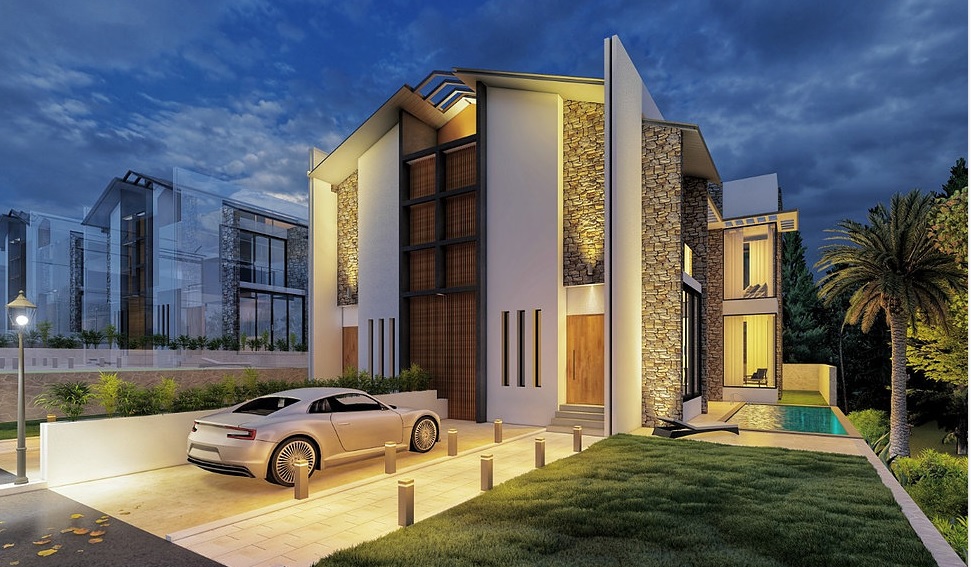
Designing a lakefront home is a unique opportunity where you get to create a living space that reflects both personal style and a deep connection to nature, and communities highlighted at https://www.windriverliving.com/ showcase how thoughtful architecture can elevate waterfront living. Standard residential buildings differ from lakefront homes. Lakefront homes require careful planning to balance beauty, functionality, and environmental sensitivity. Every architectural decision, from layout to materials, plays a role in how the home feels, performs, and ages over time. With careful planning, you can create a home that feels peaceful, open, and in tune with its surrounding.
Embracing the Natural Landscape
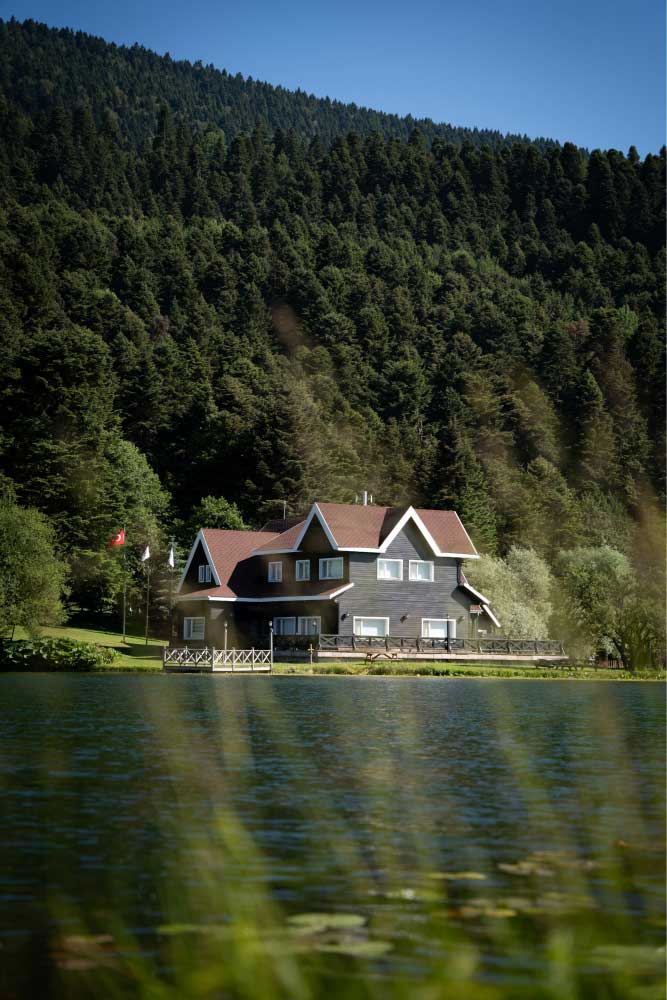
A successful lakefront home design begins with respecting the land it sits on. Take the advantage of available land for good design that responds to the shoreline, topography, and existing vegetation. Homes that are in sync of the natural slope of the land tend to feel more grounded and visually harmonious, while also reducing the need for extensive excavation. This approach preserves the site’s character and creates a stronger connection between the home and its setting.
Where you place your lakefront house is important. Positioning the home to enjoy the water views and sunlight makes it more comfortable and saves energy. Living rooms and kitchens facing the lake get the best light and views, while rooms like the laundry can be placed where the view matters less. This kind of planning improves daily life and helps the home last.
Material selection should be in harmony with the nature. Stone, wood, and textured finishes
blends-in with the waterfront environment and tend to weather attractively over time. These materials give your home a timeless feel rather than trendy.
Maximizing Views and Natural Light
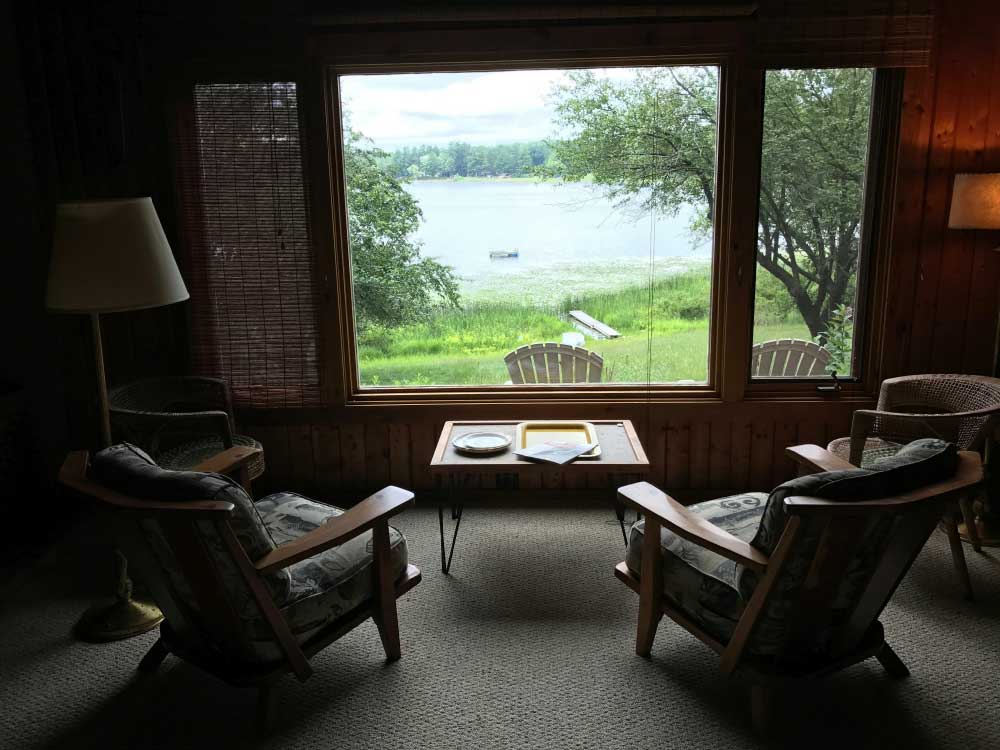
A key feature of lakefront homes is how they connect to the view. The layout should be open, letting you see the water from many rooms. Open-plan designs work well because they remove walls and let in lots of natural light. This makes the inside feel roomy, bright, and close to nature.
Window design is just as important as floor planning. Windows, glass panes, and sliding doors are so designed and placed to get maximum of lake view. This view works like a living artwork that changes with the seasons. At the same time, careful consideration must be given to glare, heat, and privacy. Architectural features such as roof overhangs or recessed glazing are included soften harsh sunlight without sacrificing views.
Bright, sunlit rooms also affect how you use your home. Kitchens and living rooms with morning light feel lively, while bedrooms or lounges with softer afternoon light help you relax. These small choices add up, making your home feel natural and comfortable.
Creating Seamless Indoor and Outdoor Living
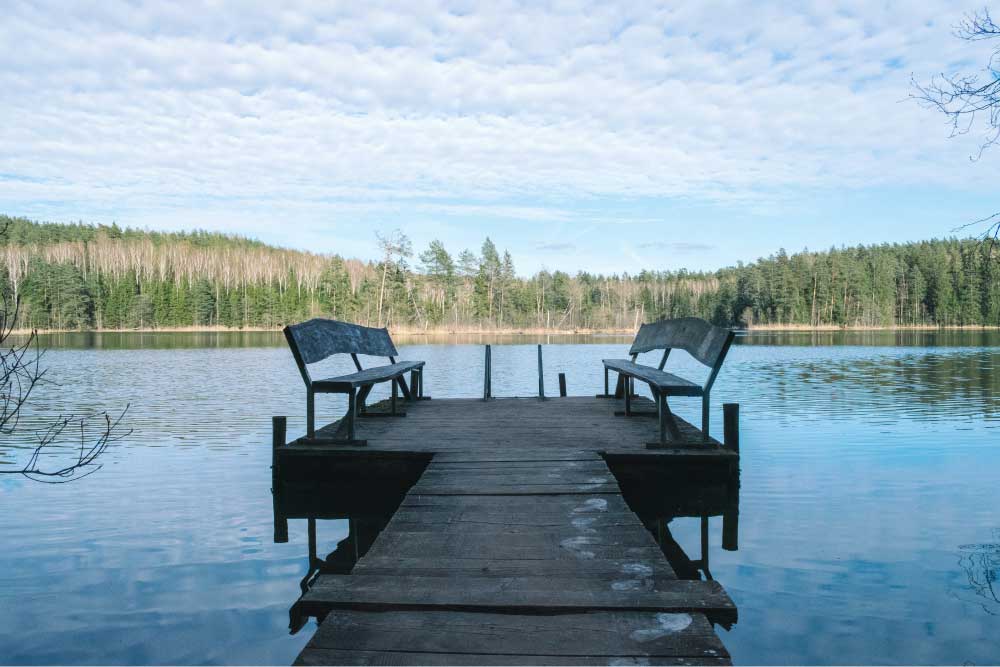
Outdoor living is a big part of life by the lake, so the home’s design should make it easy to get outside. Decks, patios, and covered porches can feel like extra rooms, making it more inviting to spend time outdoors. With good design, these spaces become places you use every day, not just once in a while.
Continuity between indoor and outdoor areas enhances this experience. Matching floor levels, complementary materials, and consistent ceiling lines connects inside and outside seamlessly. Large sliding or folding doors make it easy to open the home to fresh air, making entertaining and everyday living more flexible.
Also Read: 24 Different Types of Doors | Comprehensive Classification!
Outdoor spaces should also be practical and comfortable. Thoughtful design considers wind exposure, shade, and privacy without obstructing views. When these elements are balanced correctly, outdoor areas remain usable throughout different seasons and weather conditions.
Prioritizing Durability and Long-Term Performance

Lakefront environments present unique challenges that influence architectural decisions. Moisture, humidity, and fluctuating temperatures can all impact building materials over time. Hence, it becomes necessary to choose durable finishes and construction techniques that prevents any kind of weather damage and needs less maintenance. This is particularly important for exterior elements such as cladding, decks, and roofing.
The structure of the home should be built to last. Good drainage, ventilation, and a solid foundation help the house stay comfortable and valuable for many years. Even if you can’t see these features, they’re key to a long-lasting home.
Sustainability and durability go hand in hand. Energy-efficient windows, insulation, and passive design strategies reduce environmental impact while improving everyday comfort. Over time, these choices support both responsible living and lower operating costs.
Designing for Lifestyle and Daily Use
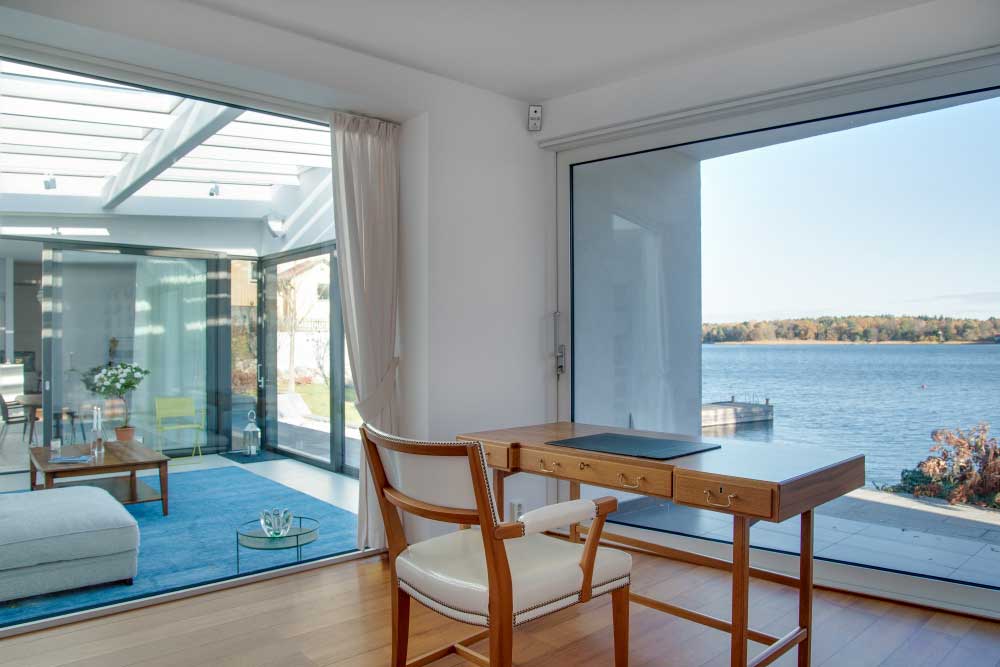
Beyond aesthetics, a lakefront home should support the way its occupants live. Adopt flexible spaces that can be changed as per needs to make your home living more enjoyable. Rooms that can function as guest suites, home offices, or hobby areas add long-term value without increasing complexity.
Storage and circulation are equally important. Thoughtful layouts make it easy to move between spaces while keeping everyday items organized and out of sight. This contributes to a sense of calm and order that aligns with the relaxed nature of waterfront living.
Ultimately, the best lakefront homes feel personal and purposeful. They reflect the owner’s lifestyle while remaining connected to the natural environment. When architecture supports both function and feeling, the house becomes more than a place to live.
Endnote
Designing a dream lakefront home is about more than impressive views or luxurious finishes. It requires an understanding of landscape, light, durability, and lifestyle working together in harmony. By focusing on architectural features that respect the environment and enhance daily living, homeowners can create spaces that feel timeless, comfortable, and deeply connected to the water. When done well, a lakefront home becomes a sanctuary that celebrates both thoughtful design and the natural beauty that surrounds it.
Also Read: The Ultimate Guide to House Plans for Beachfront Homes
Designing Lakefront Home: FAQs
01. How to design a lakefront home?
Lakefront home designs require careful planning to balance beauty, functionality, and environmental sensitivity. The aim is to design a home that feels calm, open, and perfectly attuned to its surroundings.
02. What are the critical elements of a lakefront home?
Following the natural slope of the land and proper orientation are the critical elements of a lakefront home. Positioning the home to take advantage of water views while considering sun paths can significantly enhance comfort and energy efficiency.
03. How to maintain the continuity between indoor and outdoor spaces in a lakefront home?
To maintain continuity, opt for matching floor levels, complementary materials, and consistent ceiling lines between indoor and outdoor spaces.
04. What type of windows are best for lakefront homes?
Large, energy-efficient windows with UV protection and proper sealing are ideal. They frame lake views beautifully while controlling heat, glare, and maintaining privacy.
05. What materials work best for lakefront homes?
Durable, moisture-resistant materials such as treated wood, stone, fibre cement, and corrosion-resistant metals perform well in lakefront environments and age gracefully over time.