Table of Contents
Quick Summary
- It is safe to detect hidden metal objects in walls before you start a renovation project.
- Hidden metal objects, like pipes, wiring, nails, and brackets, are often concealed within the walls, floors, and ceilings.
- Drilling or cutting without detection can cause electrical hazards, leaks, and expensive repairs.
- Metal detectors and stud finders help locate metallic obstructions accurately before renovation begins.
- By reviewing a building plan, you may obtain clues about structural and utility placements.
- Scan slowly and mark detected areas clearly to avoid accidental contact.
- Detection improves renovation accuracy and prevents structural damage.
- It enhances worker and homeowner safety.
- Proper preparation saves time and money and avoids unexpected complications during renovation work.
It is essential to detect hidden metal objects in walls. Before cutting into a wall without checking what is inside can be hazardous in some instances. DIY wall cutting for renovation can be a weekend projects, but if there are hidden metal objects in the wall, it may turn a simple weekend project into a costly repair. Hidden pipes, metal studs, and electrical conduits often sit just behind drywall, waiting to surprise you.
A few smart detection steps before you renovate can save money, time, and stress. It helps in finding pipes and wires in walls safely. This article breaks down exactly how to detect hidden metal objects in your home before you begin the renovation phase.
Why Hidden Metal Objects are a Serious Renovation Risk?
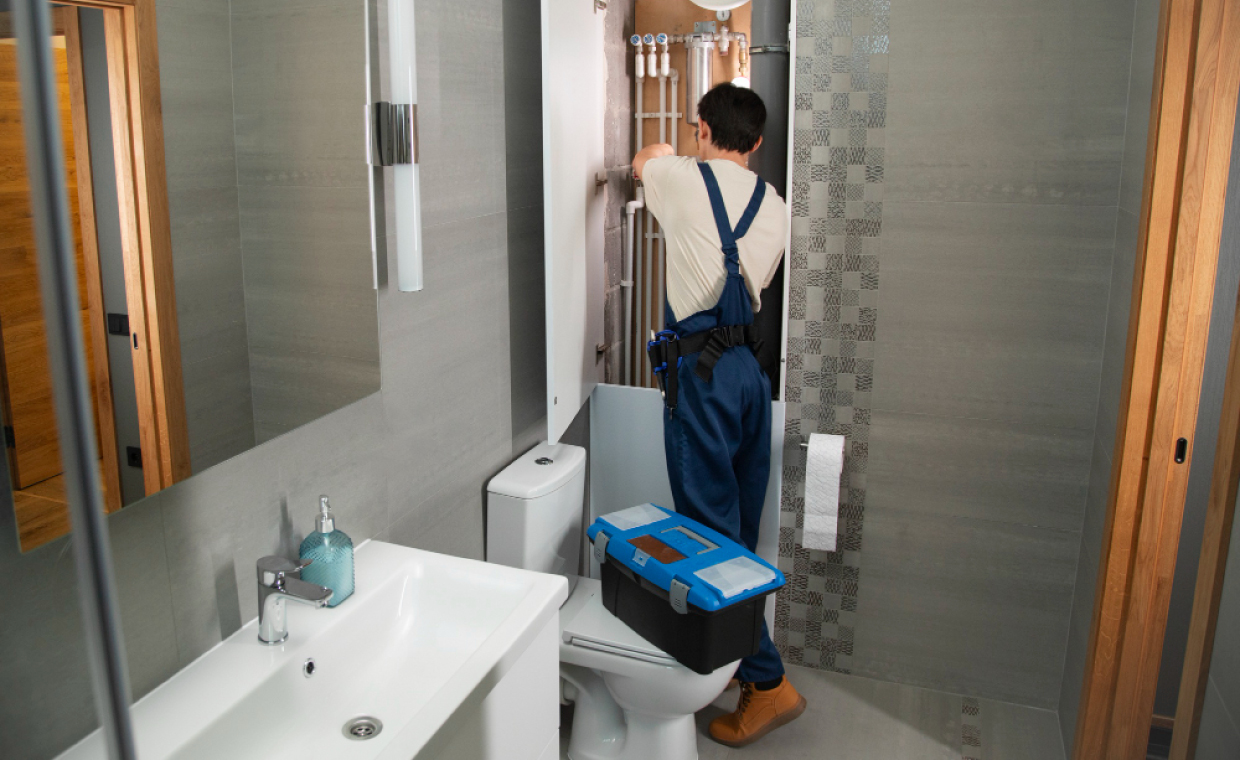
Modern homes hide more metal than most people realize. Water lines, HVAC components, protective nail plates, and steel framing all sit behind finished surfaces. Therefore it is important to detect hidden pipes and electrical wires before commending with renovation works, both major and minor.
According to research reported by USA News, hidden utilities can lead to costly repairs and serious safety hazards for homeowners, including unexpected flooding, electrical shock, or damaged framing from a single misplaced cut.
Repair bills often exceed what you would spend on proper detection tools in the first place.
Common Places of Metal Hiding in Your Home
Renovation work, like cutting drywall, removing tiles, or opening ceilings, etc. may increase the risk of contact with metal. Pay special attention to certain areas before drilling or sawing:
- Walls near kitchens and bathrooms often contain copper or steel plumbing
- Areas around electrical panels may hide conduit and protective plates
- Basements and load-bearing walls are seen with metal studs or brackets installed
Homes built or renovated in the last 20 years are even more likely to contain metal framing and reinforced systems. Awareness helps you narrow down high-risk spots before you begin. You can use metal detector for walls before drilling.
Tools that Help Detect Hidden Metal Objects
Basic stud finders can identify framing near the surface. However, these studs often struggle with deeper metal objects, dense plaster walls, reinforced concrete, or in foundation areas. How to check walls before drilling holes?
At the time of extensive renovations, especially if it is scheduled in basements, exterior walls, or in outdoor digging zones, the use of limited-depth scanners may not provide reliable results. In such cases, upgrading to more sensitive metal detectors for beginners and pros can help homeowners scan wider areas and detect buried pipes, rebar, or concealed structural elements before cutting or drilling.
Magnetic tools also provide a low-tech solution for locating screws and metal studs behind drywall. If it is possible to combine magnetic checks with electronic scanning, it can improve accuracy in finding the studs and reduces the botheration of guesswork.
A Step-by-Step Approach to Safe Pre-Renovation Scanning
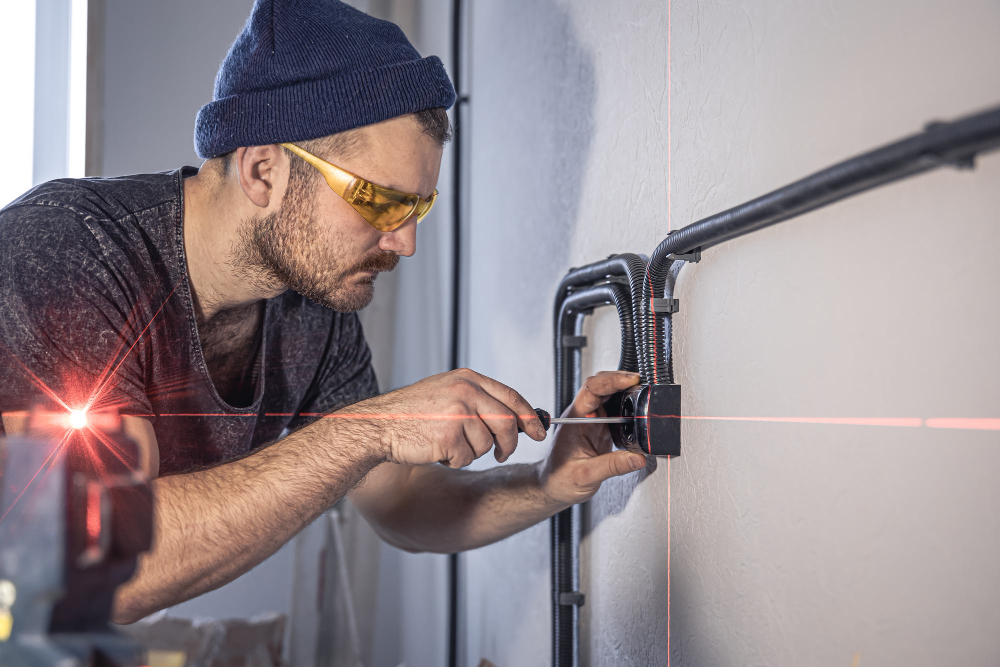
A careful, methodical approach prevents rushed mistakes. Start by clearing the work area so nothing interferes with scanning. It is important to use a wall scanner for home renovation safety.
Follow a simple process:
- Scan the entire surface: do it slowly in horizontal passes
- Mark detected signals with painter’s tape
- Rescan vertically to confirm consistent readings
Cross-checking signals ensures the object is not a false positive. Consistent alerts in two directions usually indicate real metal beneath the surface.
After marking potential hazards, adjust your project plan accordingly. Try shifting a mounting point a few inches away. It can prevent hours of repair work later.
Smart Renovation Starts with Proper Detection
Hidden metal objects are part of modern home construction, so treating every wall like an unknown space is a wise mindset. Careful scanning before cutting protects plumbing, wiring, and structural components while keeping your project on schedule.
Final Thought
It you want to detect detect hidden metal objects in walls it is wise to plan the project with the right tools and techniques. It makes renovation safer and far less stressful. If this article was helpful, make sure to check out our other renovation-related content!
Also Read: How to Keep Your Home Safe During Renovation
FAQs on Detecting Hidden Metal Objects in Walls
1. How Can You Detect Metal in Walls Before Drilling?
you need to use a metal detector or stud finder with a metal-scan mode to accurately locate hidden pipes, wires, nails, and structural elements.
2. Why is It Important to Find Hidden Metal Before Renovation?
If it is possible to locate hidden metal objects, it prevents damage to electrical wiring, plumbing, etc. It reduces safety risks, repair costs, and unexpected renovation delays.
3. Can Stud Finders Detect Metal Pipes and Wiring?
Yes, advanced stud finders include metal-detection modes. It accurately identify metal pipes, screws, and protective plates behind wall surfaces.
4. What Tools Are Best for Detecting Hidden Metal in Walls?
Metal detectors, multi-function stud finders, and wall scanners are reliable tools for locating hidden metal objects safely before drilling or cutting.
5. What Happens If You Drill into Hidden Metal Objects?
Drilling into hidden metal may damage wiring or pipes. It may cause immediate electrical hazards, leaks, structural weakness, and expensive emergency repairs.
Author & Expert Review
Written By:  Swagata Chatterjee | SEO Content Writer & Editor
| Credentials: MA (Calcutta University, Kolkata). Experience: Content Writer and Editor with 19 years’ experience of business content writing and editing, currently writing SEO-optimized, readers’-friendly articles for Gharpedia, part of SDCPL. Expertise: Specializes in writing well-researched content on lifestyle, home décor, , lifestyle, safety, home appliances and gadgets, on-site SEO Optimization, blending technical accuracy with general reader’s ability to learn the topics. Find her on : Linkedin |
Verified By Expert:  Mansi Shah – Architect & Architectural Content Writer, SDCPL | B.Arch.
This article has been reviewed for architectural and interior design accuracy by Mansi Shah, an Architect associated with Sthapati Designers & Consultants Pvt. Ltd. (SDCPL). With over 25 years of professional experience in architectural planning, design development, detailing, and on-site execution of residential, commercial, and institutional projects, she brings deep expertise in architecture and interior planning, material selection, construction practices, and building bylaws. Her review ensures the content reflects practical design principles, interior space efficiency, and industry-aligned architectural standards.
Find him on: LinkedIn