






Table of Contents
Quick Summary
- Floating shelves complement the urban minimalist style, creating an illusion of spaciousness and clean design.
- The DIY floating shelf project uses pre-designed shelf support kits rather than custom-made mechanisms.
- Choosing the right shelf size is essential to keep walls uncluttered and visually balanced.
- Tools and materials required include a drill, floating shelf kit, pencil, spirit level, ruler/tape measure, wall plugs, and screws.
- The installation process involves four simple steps:
- Measure and mark the shelf position on the wall.
- Level the wall support using a spirit level and mark placement.
- Drill holes and attach the wall support with screws.
- Slide the shelf onto the support and finish with paint or varnish if desired.
- Floating shelves are simple, affordable, and perfect for showcasing décor without visible brackets.
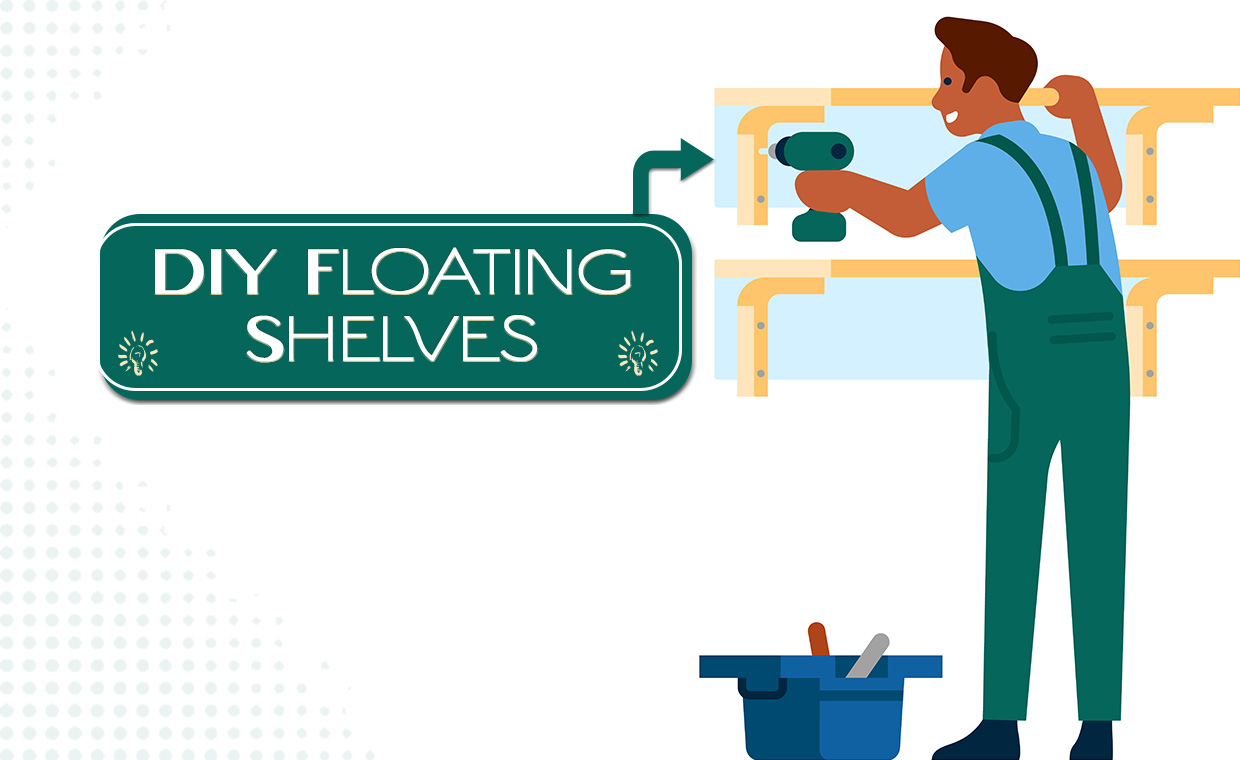
The essence of the urban minimalist style is to make rooms appear larger and emptier than they are. So how about floating shelves? Confused about how to build floating shelves? Relax, we’ve got the easy DIY floating shelves for you.
How To Make Your Own Floating Shelves?
“Building your own furniture or customising existing pieces is one of the easiest ways to get the look that you want on a budget,” says Shannon Acheson (2020), author of “Home Made Lovely – Creating the Home You’ve Always Wanted”.
Fit shelving that appears to float in the air without any visible support system to create the illusion of open space. There are quite a few distinctive shelf support systems in the market that work very efficiently, so rather than ‘re-inventing the wheel’, the project demonstrates how to use one of the existing designs. The shelves come in a variety of sizes, with the one used here being the shortest. Choose a length that fits the proportions of your walls and the items you wish to display, as it is critical to maintain an open, uncluttered look.
Things Required For Floating Shelves DIY
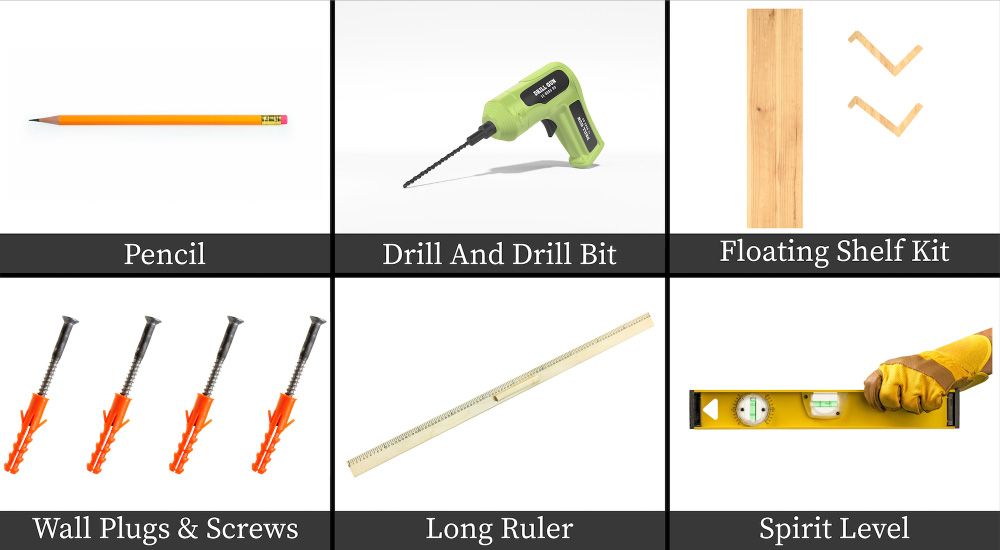
- Drill and the correct drill bit for your wall (masonry or plasterboard)
- Floating shelf kit – including special fittings, screws and wall plugs
- Pencil
- Straight edge with spirit level
- Tape measure/long ruler
- Wall plugs and screws
The Step-By-Step Process
01. The first step in creating floating wooden shelves is determining the best location for the shelf. Then, measure and mark it on the wall with a pencil.

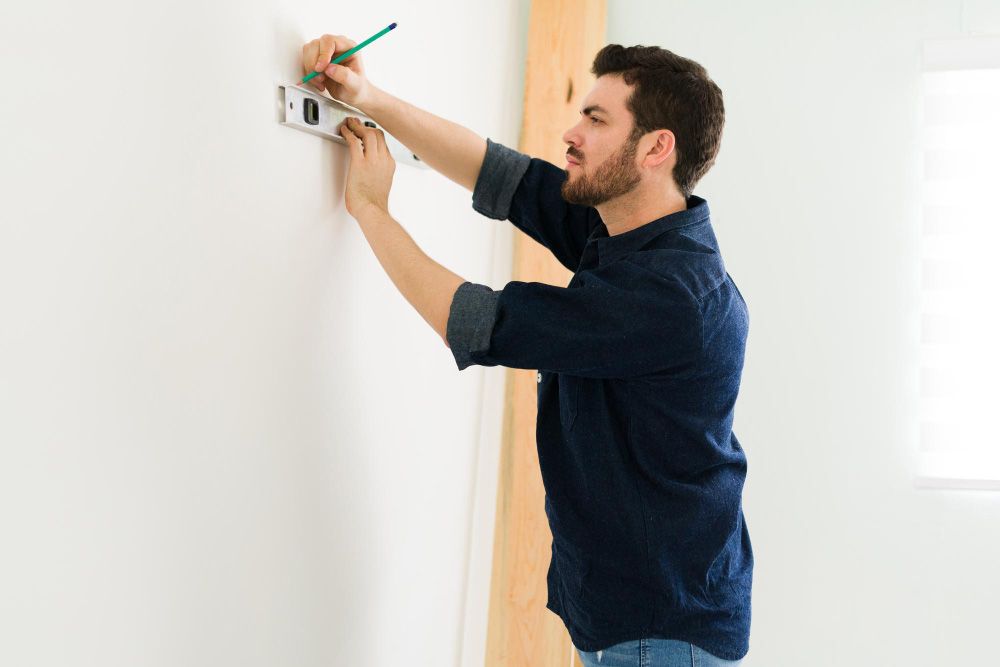
02. The second step is to raise the wall support and check it with the spirit level. Mark the correct position.
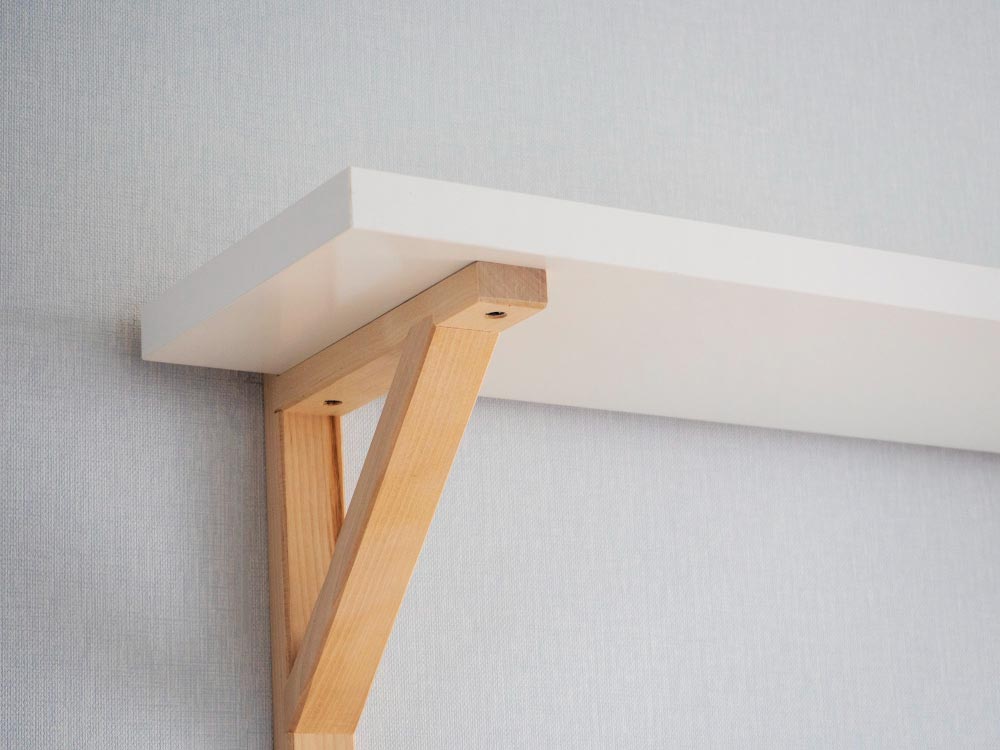
03. Attach the wall support in the third step, making sure that the screws are firmly attached.
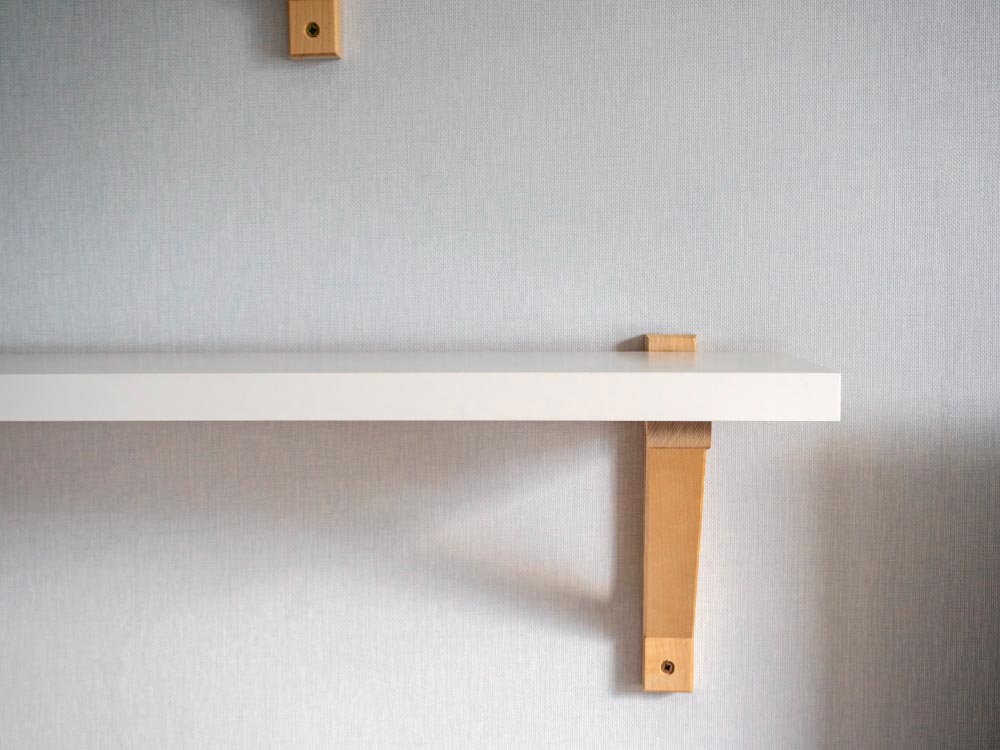
04. Finally, secure the shelf to the wall supports. You can colour or varnish the floating shelves to match your interiors, but wooden texture will suffice.
Tell us, aren’t these DIY floating shelves magical because they’re so simple to install fit and a minimalist’s dream?
More interesting DIY projects can be found at the following links
How To Paint Kitchen Table and Chairs To Bring In Provencal Style?
DIY Shaker Peg Rail – Design Your Own Shaker Peg Rail
FAQs on DIY Floating Shelves
1. How do you install DIY floating shelves?
Measure and mark the position, level the support bracket, drill and secure the bracket to the wall, then slide the shelf onto the support.
2. What tools are needed to build floating shelves?
A drill with suitable bits, a floating shelf kit, a pencil, a spirit level, a ruler/tape measure, and screws with wall plugs.
3. Can floating shelves hold heavy items?
Yes if installed with proper wall anchors and sturdy brackets. For heavy items, always mount into studs or use heavy-duty wall plugs.
4. What type of wood is best for floating shelves?
Common choices include solid pine, plywood with veneer, oak, and engineered wood, depending on budget and desired finish.
5. How do I ensure my floating shelves are level?
Use a spirit level before drilling to align the bracket perfectly; even slight misalignment can cause tilted shelves.
Author Bio
Huta Raval – An English Literature and Journalism Topper, Huta Raval has graduated from the L D Arts College, Ahmedabad. Post serving for 23 years in the NBFC and Public Library Sectors her desire for ‘writing the unwritten’ brought her to the creative field of content writing. Her clientele comprises of NGOs, Blogging Platforms, Newspapers, Academic Institutions, et al.