Table of Contents
Quick Overview
Here is the quick overview of colour for metal farm buildings:
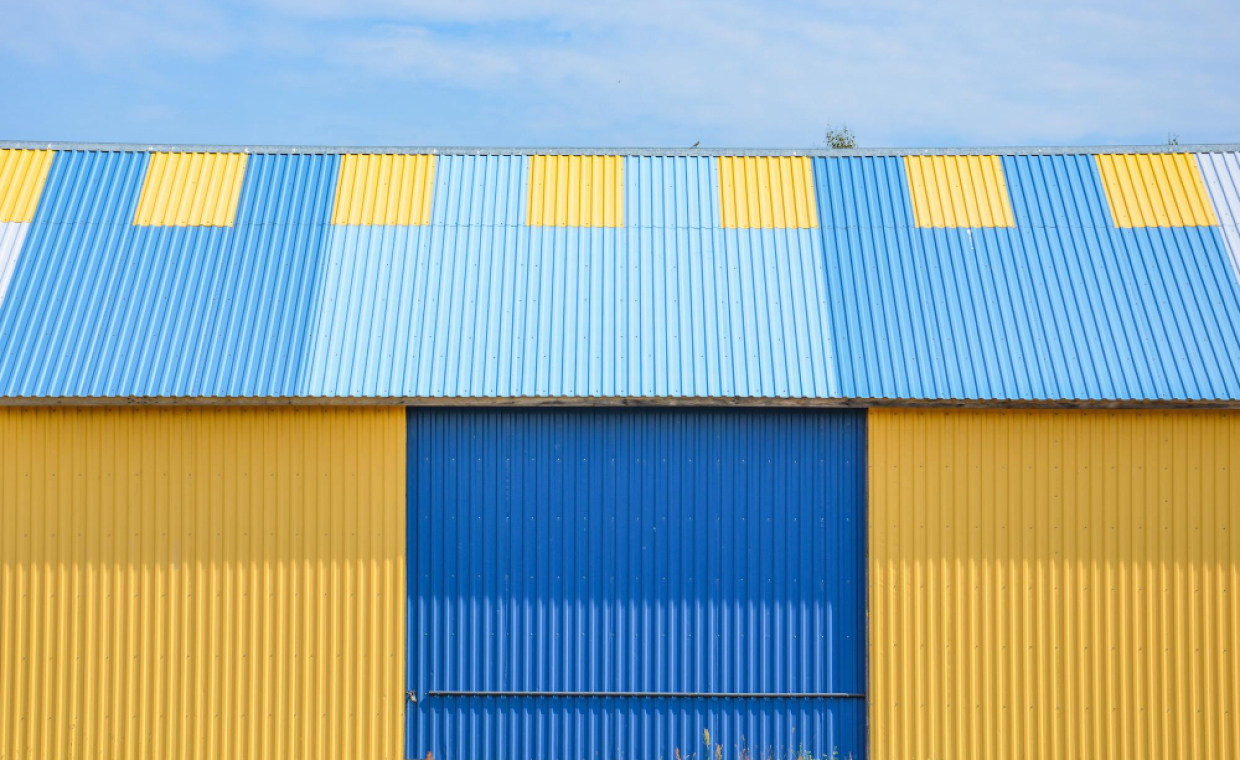
- Metal farm building colours are now used for branding, energy-efficiency, and design, not just basic appearance.
- Neutral colours like white, gray, and black are popular for their clean look and modern style.
- White reflects heat best, helping keep interiors cooler in warm climates.
- Dark colours create a bold appearance but may absorb more heat unless cool-roof coatings are used.
- Earth tones such as red, brown, and bronze blend well with rural landscapes and hide dirt.
- Using contrasting trim and doors adds depth and improves the building’s visual appeal.
- High-quality coatings help prevent fading and extend the life of the colour.
- Local zoning rules and surrounding buildings should be considered when choosing colours.
For decades, the palette for agricultural structures was predictably limited. Farmers and property owners generally chose between forest green, slate gray, or a utilitarian tan. While these colours served their purpose, the modern landscape for metal buildings has undergone a vibrant transformation. Today, colour is a primary tool for branding, climate control, and architectural expression. Choosing the right metal building colors is no longer a secondary thought. It is a strategic decision that affects the value and performance of the structure.
Selecting a colour starts with understanding the primary goal of the building. Is the structure intended to blend into a wooded background? Should it stand out as a bold landmark for a business? Or is the goal to match an existing residential farmhouse? The answers to these questions narrow the field from dozens of options to a curated selection.
The Power of Neutral Palettes
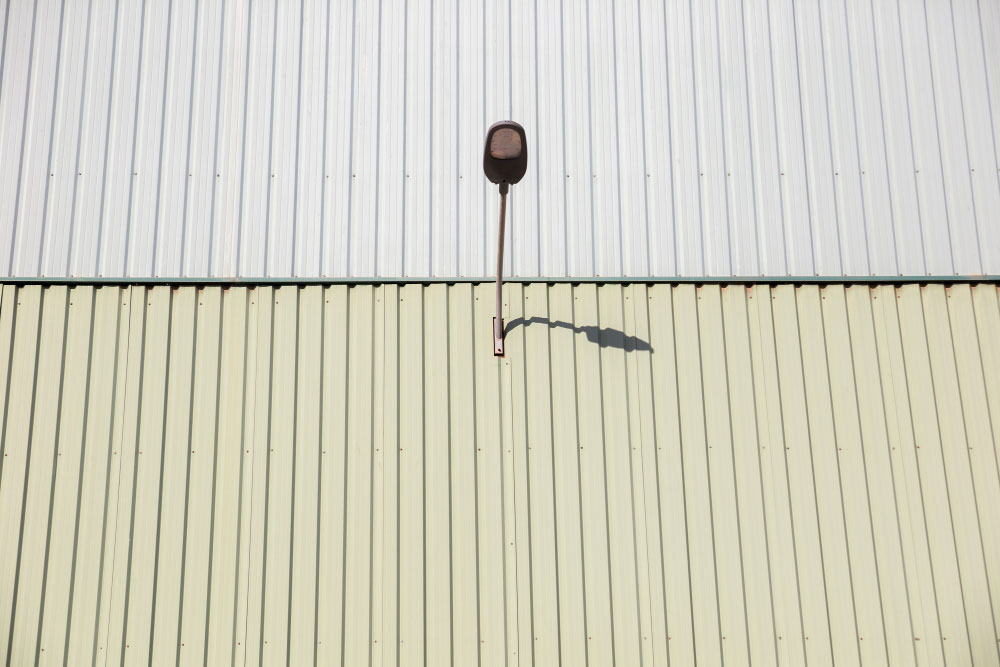
Modern design trends heavily favour sophisticated neutrals. White remains a top choice for several reasons. It offers a clean and crisp appearance that looks permanent and professional. From a functional standpoint, white is the most effective colour for reflecting solar radiation. In warmer climates, a white metal roof and siding can significantly lower the interior temperature of a barn or workshop. This reduces the load on cooling systems and protects sensitive livestock or equipment.
Charcoal gray and matte black have also surged in popularity. These darker tones provide an industrial elegance that feels contemporary. A dark gray building with black trim creates a sleek silhouette that looks expensive and sturdy. While dark colours absorb more heat, modern paint technology includes cool roof pigments. These specialized coatings reflect infrared light even in dark shades. This allows owners to achieve a dramatic look without sacrificing energy efficiency.
Comparing Reflectivity and Performance
When choosing a colour, it is helpful to understand how different shades handle solar heat. This is often measured by a Solar Reflectance Index. Higher numbers indicate better performance in hot weather.
| Colour Selection | Heat Reflectivity | Best Climate Use |
| Polar White | High | Extreme Heat / Sun |
| Light Stone | Medium-High | Warm / Arid |
| Ash Gray | Medium | Temperate / Variable |
| Gallery Blue | Medium-Low | Cool / Northern |
| Burnished Slate | Low | Cold / Snowy |
| Midnight Black | Very Low | Cold / Industrial Style |
Earth Tones and Traditional Roots
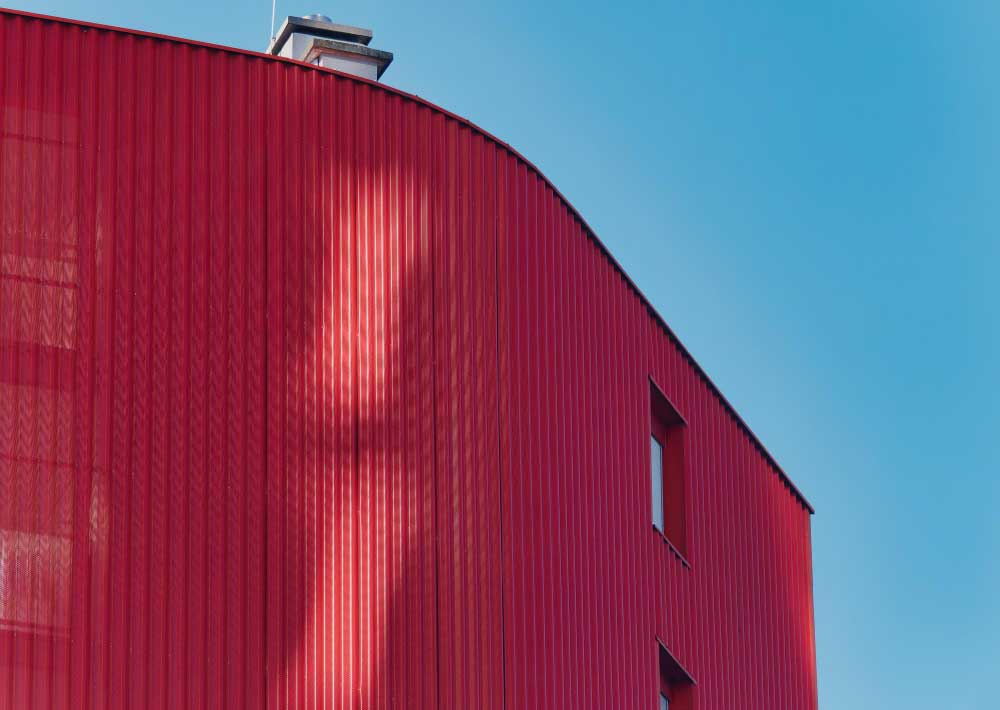
For those who want to honour the heritage of rural architecture, earth tones are the standard. Deep reds remain a classic choice for barns. This colour evokes a sense of history and tradition. When paired with white trim and a galvanized silver roof, a red metal building becomes an instant icon on any property.
Browns, tans, and bronzes offer a different advantage. These colours harmonize with the natural environment. A bronze or burnished slate building disappears into a backdrop of trees or mountains. This is an excellent strategy for property owners who want a large structure to feel less imposing on the land. These tones also hide dust and organic debris better than lighter shades. This makes them a low maintenance option for working farms.
Using Contrast for Architectural Depth
The secret to a visually stunning metal building is not just the primary colour. It is the use of contrast. A monochromatic building can often look flat or overwhelming. Introducing a secondary colour for the trim, gutters, and doors adds three-dimensional depth.
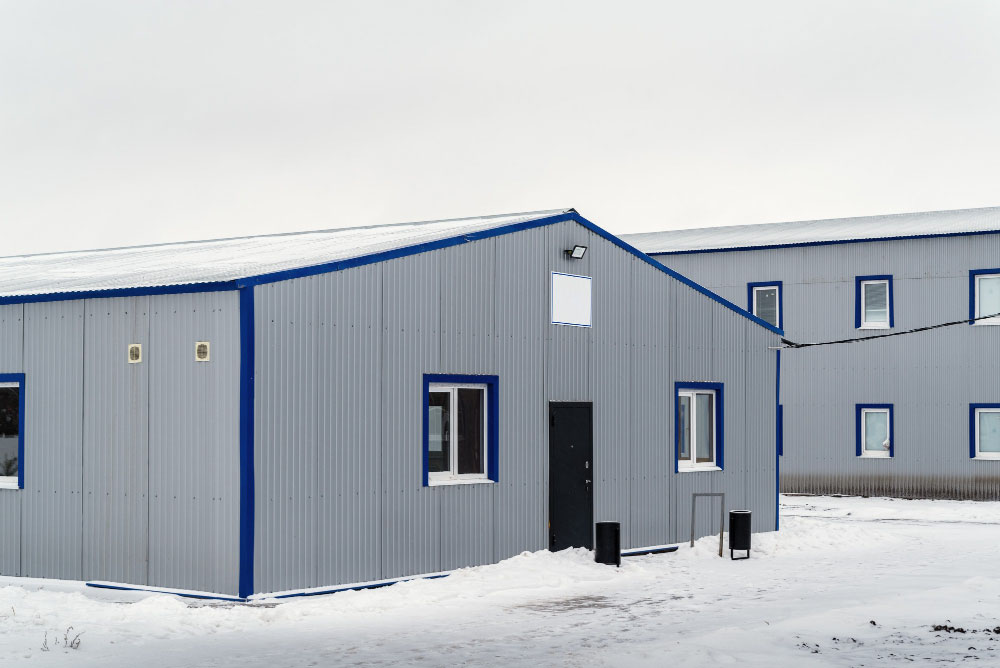
Consider a light gray building with navy blue trim. The blue provides a pop of personality without being garish. For a more aggressive modern look, black trim on a white building creates sharp lines that define the architecture. This high contrast approach emphasizes the height and shape of the structure. It turns a simple rectangular box into a piece of intentional design.
The Science of Coatings and Longevity
When discussing colour for metal buildings, the quality of the paint is just as important as the shade itself. Most manufacturers offer different tiers of coatings. Siliconized Modified Polyester is a common and durable choice for standard agricultural use. However, for maximum longevity, many owners opt for premium resin finishes. These coatings are famous for their resistance to fading and chalking.
In high sun environments, UV rays can break down the chemical bonds in cheaper paints. This leads to a washed-out appearance over time. Investing in a high-quality coating ensures that a deep crimson or a bold forest green stays vibrant for decades. This is particularly important for dark colours. These shades are typically more susceptible to visible fading.
Zoning and Community Harmony
Before finalizing a colour choice, it is vital to consider the surrounding community. Some homeowner’s associations or local zoning boards have specific requirements for outbuildings. They may mandate certain colour ranges to ensure visual harmony across the neighbourhood. Even without formal rules, looking at neighbouring structures is a good practice. Choosing a colour that complements the local landscape and architecture ensures the building adds value to the entire area.
Final Thoughts on Selection
The colour for a metal farm building is a long-term commitment. It is the first thing people notice and the last thing they remember. Whether the goal is the timeless appeal of a white farmhouse or the bold statement of a midnight black shop, the options are nearly limitless. By balancing personal style with functional needs like heat reflection and maintenance, any property owner can create a structure that is both a workhorse and a work of art.
Also Read: Aluminium Paint: All that You Wanted to Know
FAQs on Colour for Metal Farm Building
1. Why is Colour Important for Metal Farm Building?
Colour affects the building’s appearance, temperature control, maintenance level, and how well it fits with surrounding structures.
2. Why are Neutral Colours Popular for Metal Building?
Neutral tones like white, gray, and black create a clean, modern appearance and match many architectural styles.
3. What Paint Coatings are Commonly Used for Metal Building?
Common coatings include Siliconized Modified Polyester (SMP) and premium finishes that resist fading and chalking.
4. Can Colour Help a building blend Into the Landscape?
Yes. Earth tones like brown, bronze, and tan help buildings blend with natural surroundings.
Author & Expert Review
Written By:  Kinjal Mistry | Civil Engineer & Senior Content Writer
| Credentials: B.E. (Dharmsinh Desai University, Nadiad, Gujarat). Experience: Civil Engineer with 9 years of content writing experience, currently writing impactful articles for Gharpedia, part of SDCPL. Expertise: Specializes in writing well-researched content on home improvement, sustainability, building materials, home interior, DIY, and plumbing technology with everyday clarity. Find her on: LinkedIn |
Verified By Expert:  Farhan Shaikh – Senior Manager – Architect, SDCPL | Associate Member – IIA
This article has been reviewed for architectural and interior design accuracy by Farhan Shaikh, Senior Manager – Architect at Sthapati Designers & Consultants Pvt. Ltd. As the lead for all architectural and interior projects at SDCPL and an Associate Member of the Indian Institute of Architects (IIA), he brings hands-on experience in architectural planning, interior design, project coordination, and sustainable strategies. His review ensures the content reflects practical design considerations, industry best practices, and real-world applicability across both architecture and interior spaces.
Find him on : Linkedin