Table of Contents
Quick Overview
Here is the quick overview of how to create a vaulted ceiling:
- Vaulted ceilings are creating openness, allow more natural light, and enhance the aesthetic appeal.
- Structural changes to make vaulted ceiling require structural planning to ensure safety.
- They improve light and atmosphere with higher skylight windows and unique lighting options.
- Material choices impact style, insulation, and energy-efficiency.
- The vaulted ceiling design should harmonize with the home’s layout and features.
- Pest inspections and prevention protect the structure during and after home renovation.
- Maintenance, heating, cooling, and acoustics need consideration for functionality.
Incorporating a vaulted ceiling into your home renovation can dramatically transform the look and feel of your living space. This architectural feature creates a sense of openness, increases natural light, and adds visual interest, making your room feel larger and inviting. For homeowners who are looking for a modern refresh or aiming to enhance a traditional home with added character, vaulted ceilings offer a striking design element.
Home renovation requires exact planning and structural considerations, the result is often a space that feels brighter, more expansive, and architecturally unique. Understanding how to create vaulted ceiling ensures you create a balanced, functional, and visually appealing design that complements your home.
Planning and Understanding Structural Needs
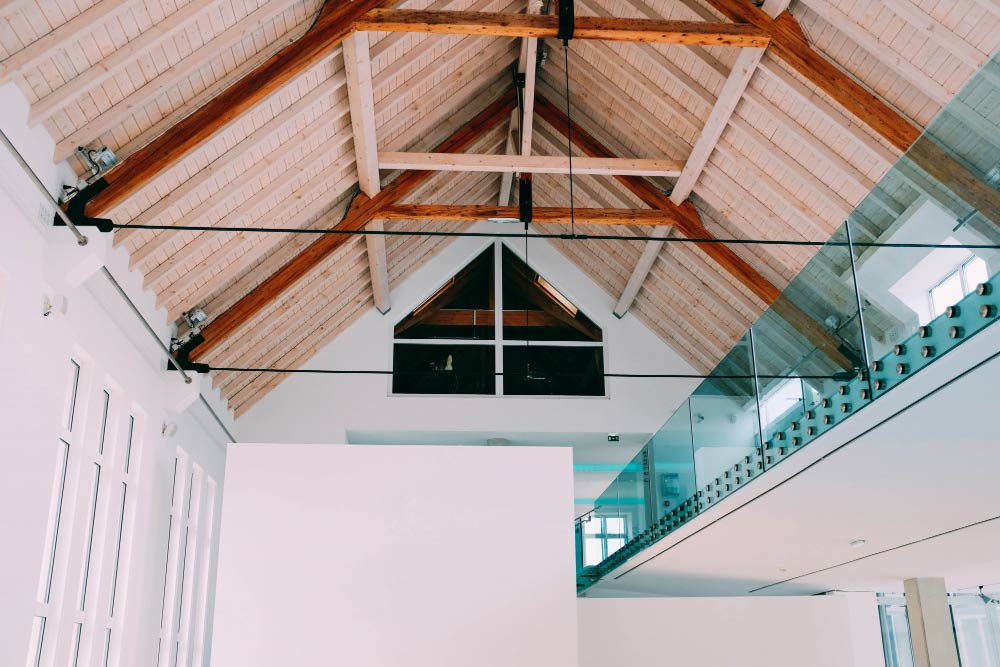
Before adding a vaulted ceiling, it is essential to understand the structural changes required to make this transformation possible. Vaulting a ceiling typically involves altering the roofline or removing sections of attic space to create additional vertical height. The first step is to consult a structural engineer or architect to determine which walls or beams are load-bearing and how they must be supported during the renovation.
Existing HVAC ducts, wiring, and insulation must also be evaluated to ensure they can be relocated safely and without risk to personnel. Some homeowners also take this opportunity to plan other important upgrades, such as flooring and lighting, and to schedule professional pest control services to protect the home’s structure before and after construction. Proper structural planning ensures the ceiling can be raised without compromising the home’s integrity. A well-designed layout also helps determine the type of vault cathedral, barrel, or shed that best suits your existing structure and renovation goals.
Enhancing Light, Space, and Atmosphere
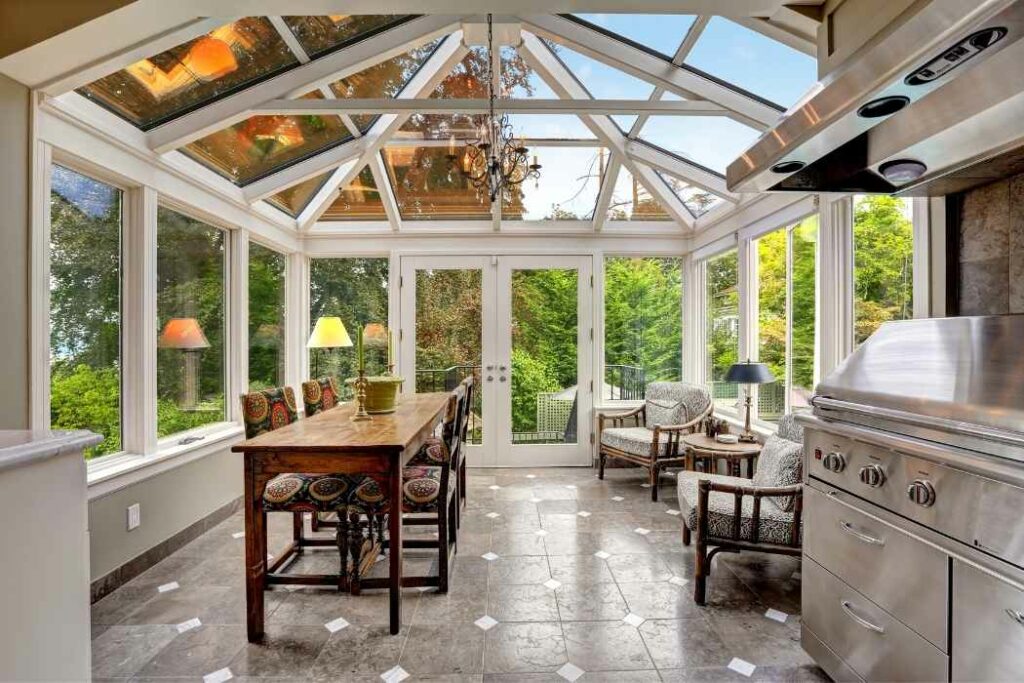
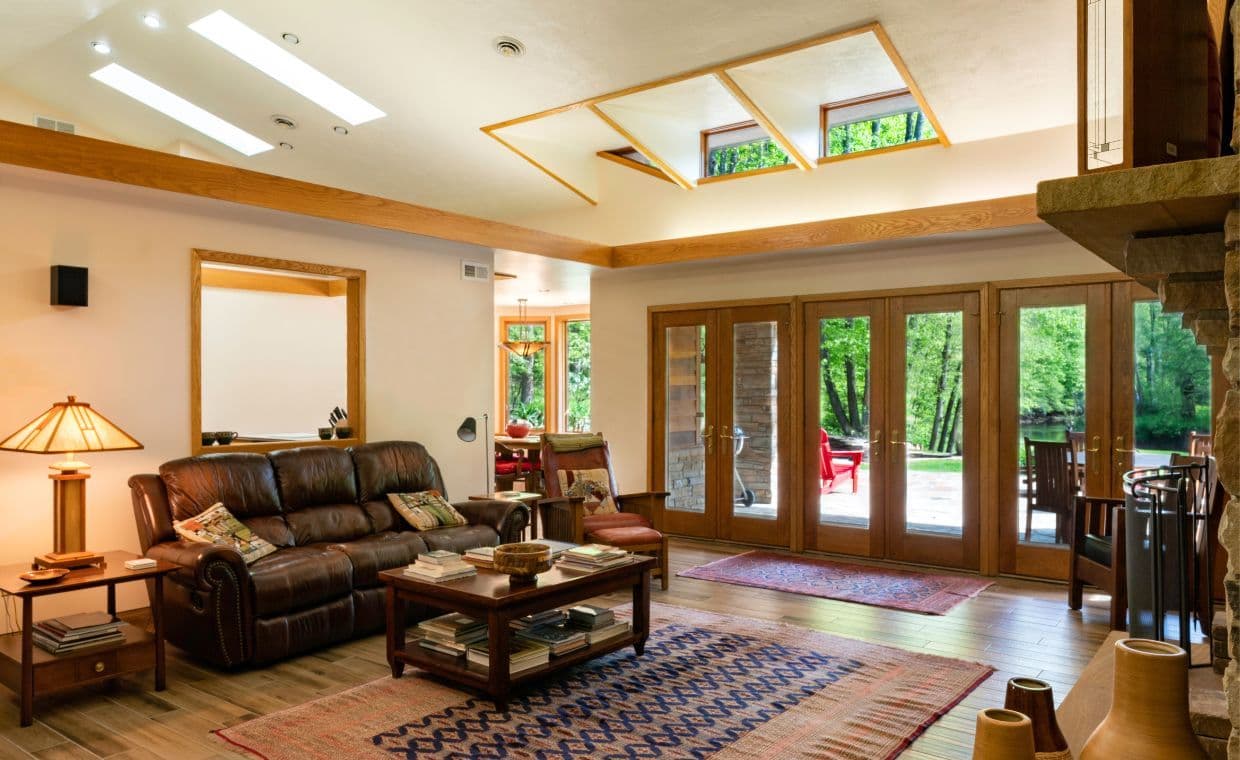
One of the greatest benefits of vaulted ceilings are their ability to enhance natural light and create an airy atmosphere. When the ceiling height increases, windows and skylights can be added or expanded to bring in more sunlight and create brighter living spaces. The additional vertical space allows for unique lighting options, such as chandeliers or pendant fixtures that can become the focal point of your room.
Vaulted ceilings can make even smaller areas feel more spacious and inviting. This design works well particularly in living rooms, kitchens, and master bedrooms where you want a feeling of openness. By combining carefully placed lighting with the vertical dimensions of the ceiling, the room gains a sense of depth and elegance. Changes in acoustics can also alter how sound travels, adding a new dimension to your room’s atmosphere.
Choosing the Right Vaulted Ceiling Materials and Design Elements
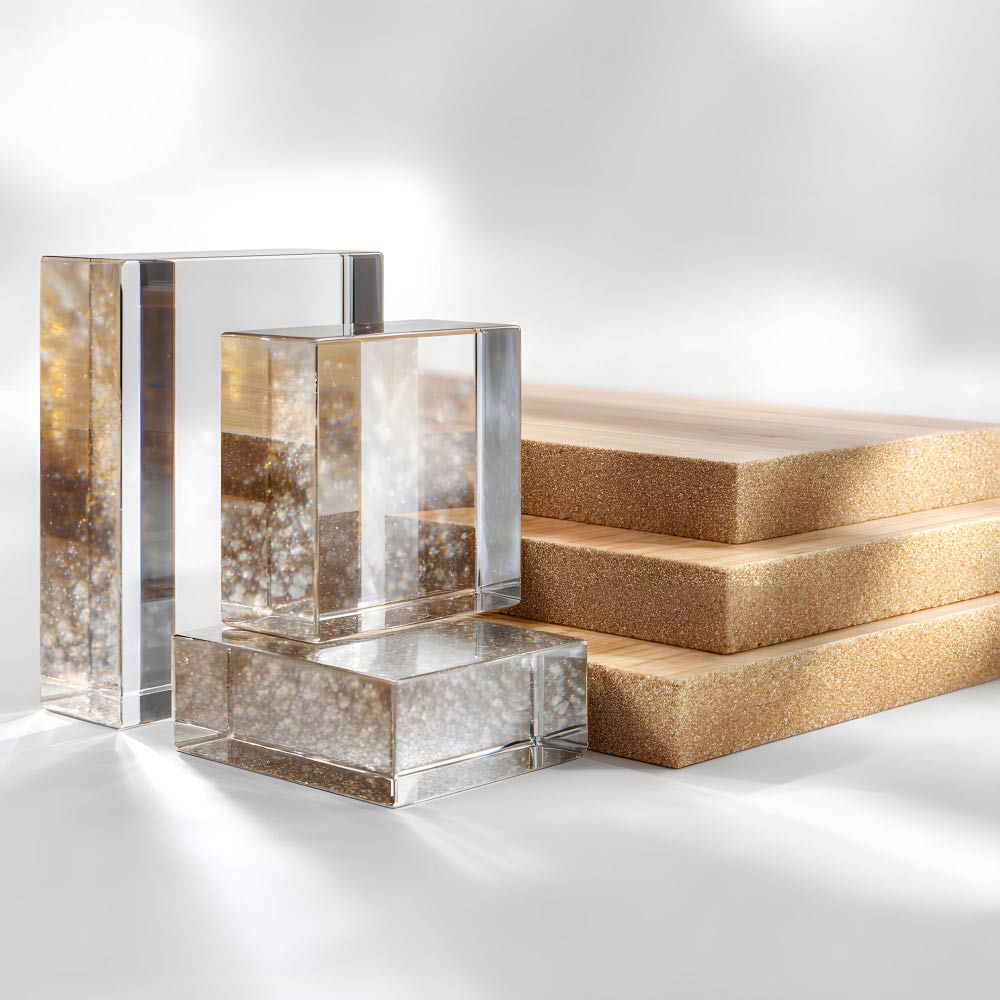
Choosing a right materials and finishes is the most important part of creating a cohesive vaulted ceiling design. Exposed beams which are made up of wood or faux materials, add rustic warmth and character, while drywall finishes offer a clean, modern aesthetic. Wood planks or tongue-and-groove ceilings can introduce texture and natural beauty that complement both contemporary and traditional homes, adding a touch of warmth and character. The chosen materials should align with the room’s overall design theme to create a harmonious look.
Colour selection also plays a key role, lighter colours emphasize spaciousness, while darker tones can add coziness and visual contrast. It is also important to consider insulation and energy-efficiency, as vaulted ceilings can impact how heat circulates within the room. A good insulation keeps energy costs manageable while maintaining a comfortable space year-round. A careful balance of materials, colours, and design elements creates a vaulted ceiling that enhances the home’s character while maintaining practical functionality.
Integrating the Vaulted Ceiling with the Home’s Layout
A vaulted ceiling should flow seamlessly with the home’s overall design. This means considering how the new height interacts with adjacent rooms, hallways, and architectural features. Vaulted areas can serve as focal points, drawing attention to gathering spaces and adding drama to open-concept designs. However, they should not create an imbalance where some rooms feel disproportionately small or visually disconnected.
Transition areas may require trim details or subtle design elements to maintain harmony throughout the home. The vaulted ceiling can also highlight architectural features such as fireplaces, built-in shelving, or feature walls, adding dimension and depth. By integrating the vault thoughtfully, homeowners maintain a cohesive aesthetic that enhances both comfort and functionality.
Protecting Your Home Renovation from Pests
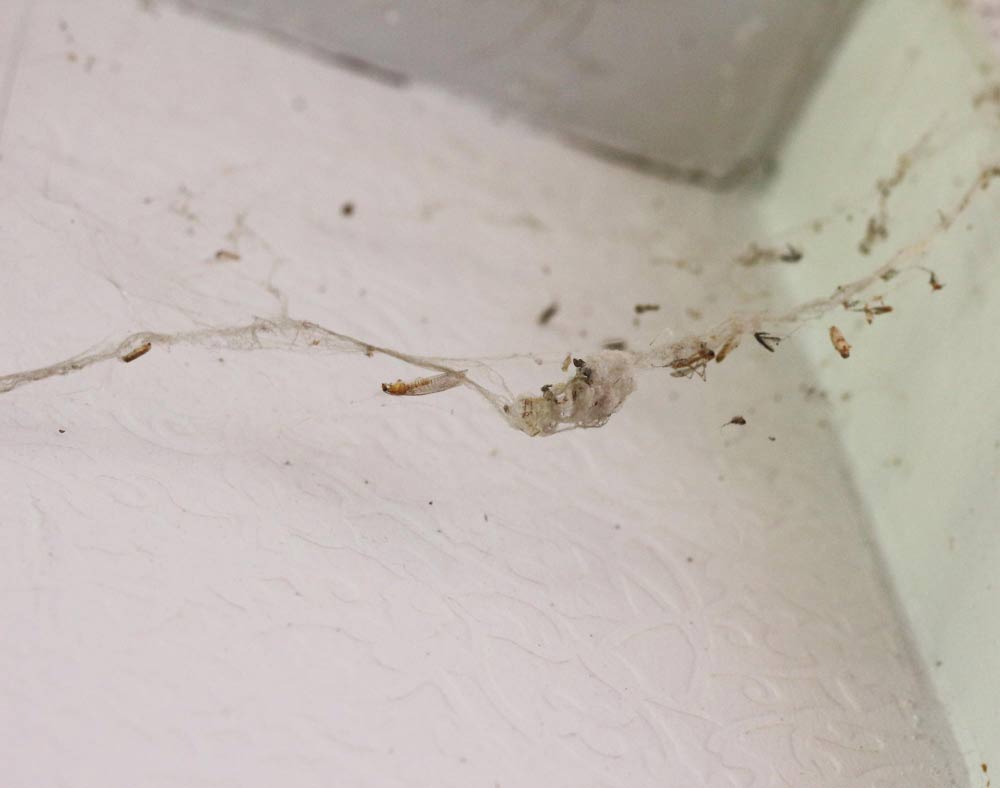
When opening up ceilings and walls, it is an ideal time to check for any hidden pest activity that could damage the home’s structure. Termites, carpenter ants, rodents, and other pests can weaken framing, chew through wiring, and affect insulation, all of which may compromise the long-term integrity of a newly vaulted ceiling. Identifying and addressing these issues early helps ensure that the renovation rests on a solid, healthy foundation.
Before construction begins, many homeowners schedule a professional pest inspection with a local pest control company to look for signs of damage or infestation. Partnering with a professional pest control service in Texas allows you to treat any active problems and put a prevention plan in place. This step protects your investment and reduces the risk of needing costly repairs after the renovation is complete.
Ongoing pest prevention is also important once the vaulted ceiling is finished. Sealing gaps, maintaining proper ventilation, and scheduling periodic pest control treatments can help keep unwanted pests out of attics and other structural cavities. By incorporating pest protection into the overall renovation plan, homeowners can enjoy the beauty of their vaulted ceilings while also preserving the home’s safety and durability.
Balancing Practicality and Long-Term Maintenance
While vaulted ceilings add undeniable beauty, they also require careful consideration of practical aspects such as maintenance and energy efficiency. Higher ceilings make cleaning, painting, and changing light fixtures more challenging, often necessitating the use of ladders or professional assistance. Homeowners should plan for these long-term needs during the renovation.
Additionally, heating and cooling a room with increased vertical space may necessitate adjustments to the HVAC system to ensure year-round comfort. Ceiling fans, improved insulation, and strategically placed vents help maintain balanced temperatures. It is also important to consider how the vaulted ceiling affects sound, as the increased height may create echoes in some spaces. Addressing these factors in advance ensures the vaulted ceiling remains both beautiful and functional for years to come.
Incorporating a vaulted ceiling into your home renovation offers a dramatic and transformative upgrade that enhances light, space, and architectural appeal. By carefully planning structural changes, selecting appropriate materials, and considering how the design integrates with the rest of the home, homeowners can create a visually stunning and comfortable living environment.
Vaulted ceilings elevate ordinary rooms into standout features, adding value and a sense of openness that makes the home feel more inviting. With thoughtful execution and long-term planning, this renovation creates a timeless design element that continues to impress while supporting the home’s functionality and charm.
Also Read: Vaulted Ceilings: Versatile Designs to Elevate Your Space
FAQs on How to Create a Vaulted Ceiling
01. What is a Vaulted Ceiling?
A vaulted ceiling raises the ceiling height creating openness, increased natural light, and visual interest, making rooms feel larger and more inviting.
02. How does a Vaulted Ceiling Affect Natural Light and Atmosphere?
The increased height allows for larger windows or skylights, bringing in more sunlight. It also enables striking lighting fixtures that enhance spaciousness and design.
03. How to Ensure the vaulted ceiling Fits with the Home’s Layout?
The ceiling should harmonize with adjacent spaces without causing imbalance, often serving as a focal point while blending with architectural features and trim details.
04. What Types of Vaulted Ceilings are There?
Common styles include cathedral, barrel, and shed vaults. The choice depends on the existing structure and renovation goals.