Table of Contents
Quick Overview
Here is the quick overview on how to maintain decorative metal screens:
- Marine environments boost the corrosion of decorative metal screens due to salt, humidity, UV, and temperature changes.
- Proper material selection of marine-grade metals and coatings greatly improves durability.
- Regular cleaning, inspections, and protective treatments are essential to maintain decorative metal screen.
- Early maintenance can prevent rust, structural damage, and costly replacements of screen.
- Professional and DIY maintenance both can help to extend lifespan and reduce environmental impact.
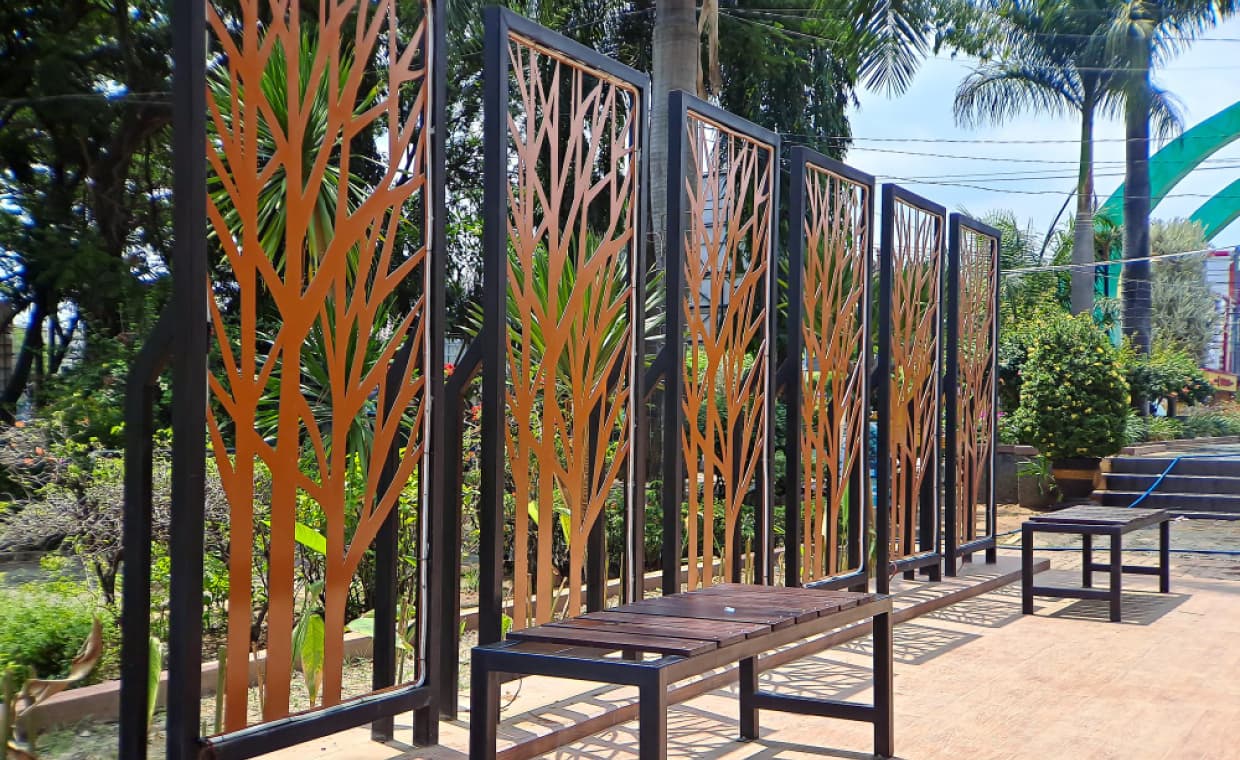
In the coastal and waterfront development setting, decorative metal screens are a growing trend in architecture. They do double duty as aesthetic elements and functional solutions, which are used for shade, privacy, and to add visual interest to very much the modern design point of view. But the marine environment also is a tough environment, which sees to it that even the finest metal screens do not last. Salt spray, constant high humidity, temperature changes, and unrelenting UV exposure create a perfect environment for corrosion, which in turn puts the structure and look of these elements at risk.
Proper care of Decorative metal screens in marine settings is a must for property owners looking to protect their investment and preserve the visual appeal of their spaces. It is often observed that improper care leads to unsightly rust marks, pitting, and structural weakness in a matter of months, which may void the warranty. In this article the focus is placed on the unique issues present in marine settings, and practical action steps on how to maintain decorative metal screens to make it beautiful and functioning for many years.
Introduction to Decorative Metal Screens

Creating screens for balconies and patios that provide shade at the same time as they improve air flow, which also serve as decorative elements to buildings, and which define outdoor spaces without blocking ocean views. In waterfront properties they do well, which is a result of their better performance in harsh conditions when compared to traditional materials like wood; also, they bring a very modern touch, which plays well with coastal design. When picked out and cared for properly, these screens can increase property value and produce amazing visual effects as light plays through the screens’ designs, which in turn cast ever-changing shadows throughout the day.
Understanding the Challenges of Marine Environments
Marine settings present a toxic mix for decorative metal screens, which see their decay accelerated. Salt air, which contains sodium chloride, travels into the metal, which in turn attracts moisture and sets off electrochemical reactions that cause rust and pitting. It is commonly seen that constant high humidity levels, which are over 70%, don’t give metals a chance to dry out, thus creating a constant environment for oxidation. There is also variation between day and night temperatures, which causes metal to expand and contract; this in turn cracks protective coatings and brings to bear the base elements.
Also, there is UV exposure from the intense coastal sun, which over time breaks down surface finishes and protective layers. Windborne sand and debris act as abrasives, which wear down coatings and create micro scratches, which in turn become sites for corrosion. What is observed is that these elements work together, which in turn amplifies their damage beyond what any one element would do by itself. This info is important for property owners to know, which in turn makes them see the value in investing in marine-grade materials and in proactive maintenance programs rather than looking at it as a nice-to-have upgrade for coastal-based structures.
The Importance of Maintenance in Marine Environments
Regular maintenance of decorative metal screens in a marine environment is a practice that goes beyond the cosmetic, it is a requirement for preservation of structure and to avoid expensive replacements. It is found that without consistent care, even marine-grade metals will, in 2 to 3 years, fall to accelerated corrosion, which, in a non-maintained state, would take decades to see that level of damage with proper attention. Early intervention at the first signs of surface oxidation, which if left alone will progress to deeper layers where repair is no longer an option and the screen’s strength is put at risk.
Also, routine maintenance, which should be done proactively, preserves the protective coatings, which are the first line of defense against salt and water, which, if not attended to, will find their way in and cause damage. Beyond function, well-maintained screens also keep their look, which extends to adjacent surfaces like walls and decks that property owners wish to protect also. Proactive care is also a much better economic choice than reactive repairs, which see owners dealing with small issues during scheduled maintenance, which is a fraction of the cost of emergency repair or full-scale replacement.
Materials and Design Considerations
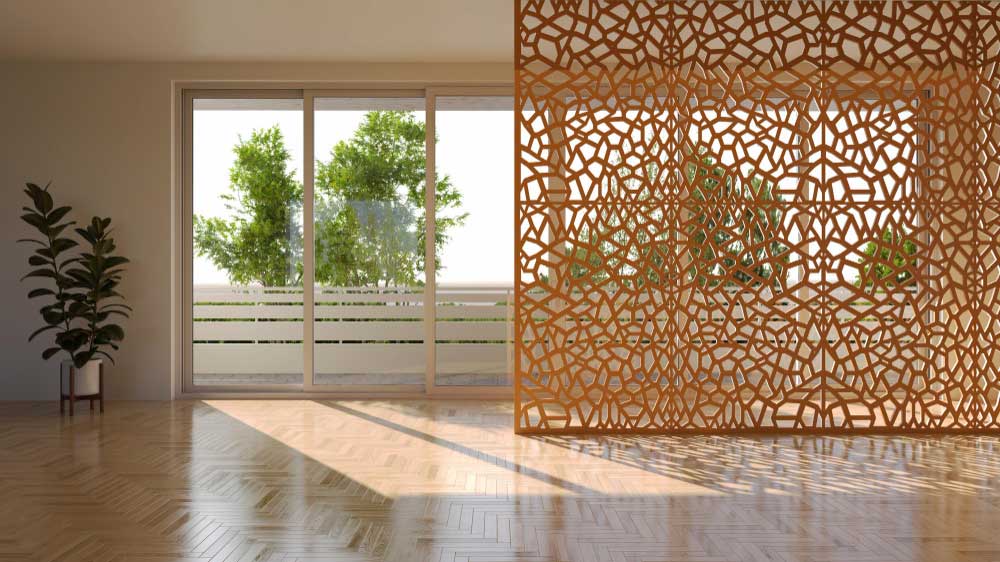
Selecting out which materials and design elements to use greatly reduces maintenance for decorative metal screens in marine settings. Grades 316 and 316L of stainless steel do best in salt water because of the molybdenum that they contain, which in turn gives them superior corrosion resistance. Also very good are the aluminum alloys in the 5000 and 6000 series, which are seen at the same time and are very durable, lightweight, and economic. It is observed that powder-coated finishes put down a very thick and even layer, which outperforms traditional paint in terms of protection against moisture.
Also, into design elements that promote proper water runoff, which in turn prevents water from standing, which causes corrosion. And also, in terms of design, put the screens in a way that minimizes direct salt spray, which in turn will increase their life span. Also avoid using different metals in close contact, which causes galvanic corrosion, so use the same material for fasteners and mounting hardware as you do for the screen itself. Also look to manufacturers that specialize in metal mesh products, like AnsusMetal, which provide in-depth info on what is best to use for marine settings, which in turn helps property owners make informed decisions at the time of purchase. Also, screens that have simple designs tend to collect less debris and are easier to clean, which in turn means less maintenance.
Environmental Impact of Corrosion and Staining
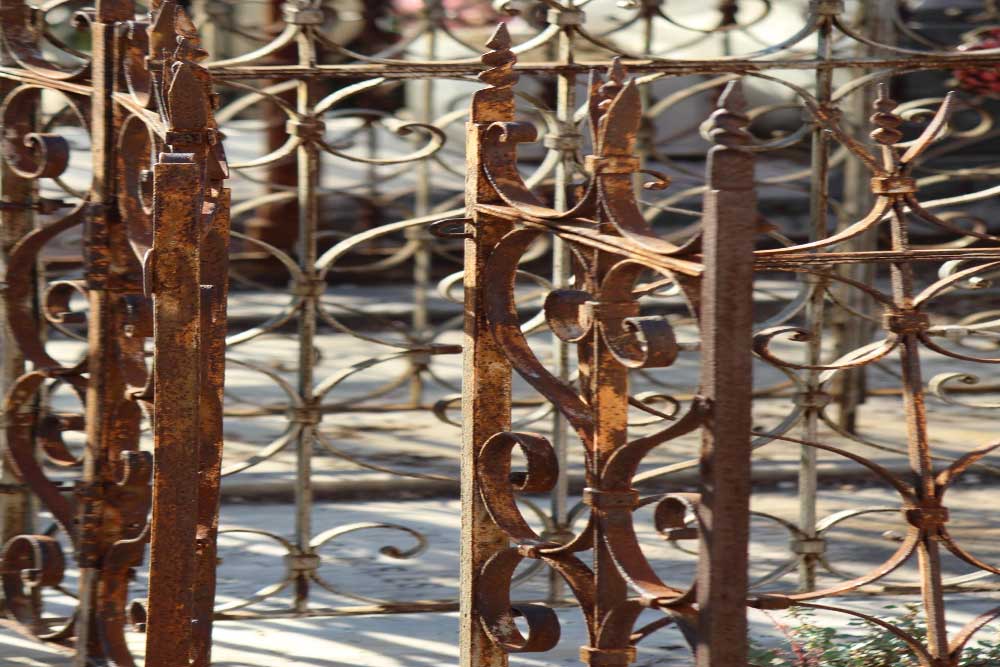
Corrosion of decorative metal screens in the marine environment goes beyond what is aesthetically displeasing to play out in much larger environmental issues. Rust runoff, which is full of iron oxides, is an issue that is often seen staining concrete, stone, and wood with very persistent orange-brown marks, which in turn require either intensive cleanup or replacement. Also, these stains make their way into the soil and waterways, which in turn affect local plant and water ecosystems. Corroded metal particles from breaking down screens add to what is almost like microplastic pollution in coastal areas. As protective coatings fail, there is a release of chemical compounds into the environment, which in particular are the older finishes that have heavy metals or volatile organic compounds.
Also, when screens fail, which they do before the end of their life span, there is an increase in waste and the need for more manufacturing, thus increasing the carbon footprint of coastal development. Also, it is observed that the use of very aggressive chemical cleaners, which are used to try and remove very advanced cases of corrosion, in fact harms marine life once they make their way into waterways. By putting in proper maintenance practices, it is ensured that these environmental issues are minimized, which in turn extends the life of the screens, reduces waste, and also puts forward the use of fewer harsh remedial chemicals.
Maintenance Services Available
Property owners have that which is put forward for maintenance services, which are specific for decorative metal screens in marine settings. There are professional cleaning services that use special equipment and marine-safe cleaning solutions to remove salt deposits and oxidation without putting in damage to protective coatings. There are also services that deal in the reapplication of powder coating or marine-grade sealants when the original finishes show signs of wear. There are reports of corrosion treatment services that get to early-stage rust through methods like electrolytic rust removal and passivation, which in turn restore protective oxide layers.
Also, some companies put forth comprehensive maintenance contracts that include scheduled inspections and cleans and minor repairs at set intervals. There are mobile maintenance services that bring the equipment right to the coastal properties, which in turn eliminates the need to take out and transport screens. For property managers who are in charge of many installments, there are bundle service packages that provide cost-effective solutions with predetermined maintenance schedules and budgets.
DIY Maintenance Tips
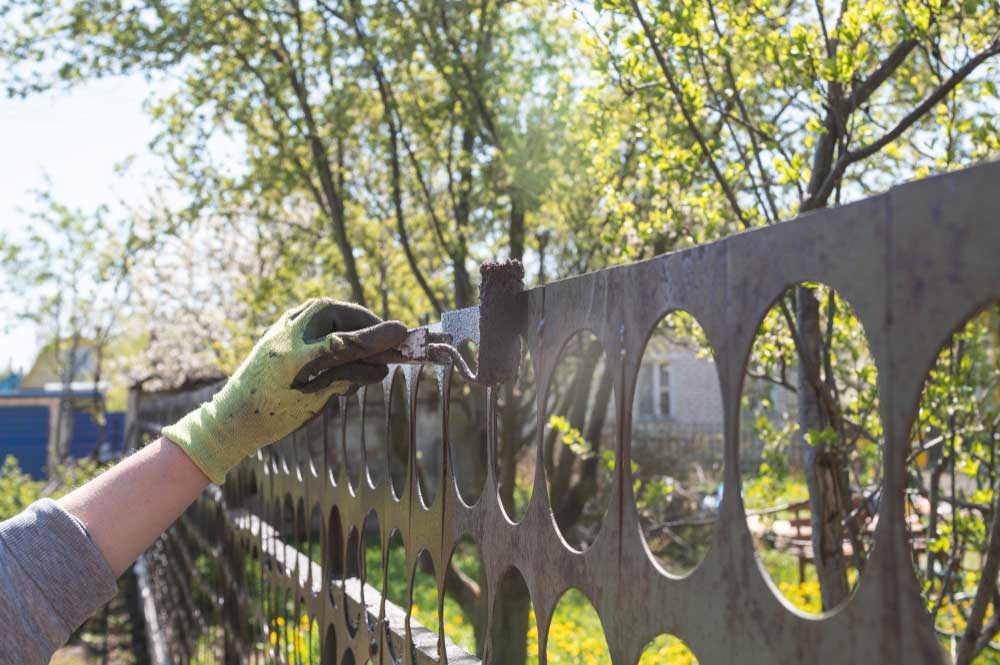
Property owners may do very well at performing maintenance of decorative metal screens with basic tools and what is at hand. Begin each month by washing the screens out with the garden hose to go over salt deposits before they harden and stick to the screen. For a more in-depth cleanup, mix up some soapy warm water from mild dish soap and use it in conjunction with soft bristle brushes or microfiber cloths for the scrubbing; stay away from anything that is abrasive, which will scratch the protective finish.
After the cleaning is done, be sure to rinse the screens out very well with clean water and dry them with a clean towel to avoid water spots. It is recommended to apply marine-grade wax or protective sprays every three months to add an extra layer of protection against moisture. Also check the fasteners and mount points 4 times a year, tighten up any that are loose, and if any are seen rusted out, replace them right away. As soon as minor rust begins to set in, go over it with fine steel wool and then touch it up with touch paint or clear sealant made for marine use to prevent it from going any further.
Professional Maintenance Services
Professional services that are hired in provide the in-depth care of decorative metal screens that outperforms the average do-it-yourselfer. There are trained professionals who are well versed in marine corrosion and are able to see issues that the untrained eye may not. They use commercial-grade pressure washers that are tuned to remove the hard stuff without breaking down fine details.
Also, they perform very in-depth treatments like electrochemical cleaning, which goes in at the molecular level to reverse early signs of corrosion, and also they apply nanoceramic coatings, which give many years of protection. Also, they carry out structural health checks of welds, fasteners, and mounting points to avoid safety issues. In large-scale jobs or with very worn-out screens, doing it yourself will not get the same results as professional help; in fact, these services can restore the function and look of the screen better, which in turn will extend its service life and protect the investment.
Regular Inspections and Cleaning
Instituting a routine of inspection and cleaning is the base of good metal screen care in marine settings. Monthly visual checks are carried out of the screens for the first signs of corrosion, damage to the finish, loose fasteners, and buildup of debris in crevices. Pay special attention to joints, welds, and mounting points, which tend to collect moisture. Results should be documented with photos to track the progress of wear and tear over time.
The screens are cleaned biweekly during high salt seasons and monthly in more calm times using fresh water to wash out salt that has not yet bonded to the surfaces. After storms or high wind events, an immediate inspection and cleaning are advised to remove salt deposits that have concentrated in those areas. Also check drain points to see that water is flowing through them and not pooling, which will in turn damage the metal. This proactive approach addresses issues at the start when the solutions are still easy and cheap, thus preventing the large-scale damage that occurs when problems are ignored for large periods of time.
Protecting Your Coastal Investment
Maintaining decorative metal screens in the marine setting requires an in-depth knowledge of the unique issues presented by coastal conditions and a dedication to proactive care. Salt exposure, humidity, temperature variation, and UV radiation together present a very aggressive environment that may quickly wear out high-quality installations if proper care is not taken.
By choosing appropriate marine-grade materials, putting in regular inspection and cleaning routines, and dealing with small issues before they grow into large ones, property owners may preserve both the aesthetic value and structural integrity of their decorative metal screens for decades. Whether professional maintenance services are chosen or the do-it-yourself route is taken, what is key is that it be a consistent approach. The investment in proper maintenance not only protects the financial value of these installations but also lessens environmental impact by extending product life and reducing waste. With the information put forth in this article, coastal property owners may enjoy the beauty and function of decorative metal screens while at the same time dealing with the marine environment’s challenges.
Also Read: Room Divider Ideas for Your House!
FAQs on How to Maintain Decorative Metal Screens
01. What Happens If Decorative Metal Screens are Not Properly Maintained?
If you don’t keep up with maintenance, metal screens can start to rust, pit, lose their coating, and get weaker in just a few months. In bad cases, corrosion can cancel out warranties and lead to expensive repairs or even full replacement in a few years.
02. Is Maintenance More Cost-Effective Than Replacement?
Yes, preventive maintenance costs only a fraction of emergency repairs or full replacement. Regular care preserves appearance, structural integrity, and warranty coverage while extending service life.
03. Do Decorative Metal Screens Add Value to Coastal Properties?
Yes. When properly selected and maintained, decorative metal screens enhance aesthetics, improve shading and airflow, define spaces without blocking views, and contribute to higher property value and modern coastal design appeal.
04. Are Powder-Coated Finishes Suitable for Marine Environments?
Yes, powder-coated finishes provide a thick, even, and durable protective layer that outperforms traditional paint. When properly maintained, they significantly reduce moisture intrusion and corrosion in coastal conditions.
Author & Expert Review
Written By:  Kinjal Mistry | Civil Engineer & Senior Content Writer
| Credentials: B.E. (Dharmsinh Desai University, Nadiad, Gujarat). Experience: Civil Engineer with 9 years of content writing experience, currently writing impactful articles for Gharpedia, part of SDCPL. Expertise: Specializes in writing well-researched content on home improvement, sustainability, building materials, home interior, DIY, and plumbing technology with everyday clarity. Find him on: LinkedIn |
Verified By Expert:  Ravin Desai – Co Founder – Gharpedia | Co Founder – 1 MNT | Director – SDCPL
This article has been reviewed for technical accuracy by Ravin Desai, Co-Founder of Gharpedia and Director at Sthapati Designers & Consultants Pvt. Ltd. With a B.Tech. in Civil Engineering from VNIT Nagpur and an M.S. in Civil Engineering from Clemson University, USA, and over a decade of international and Indian experience in the construction and design consultancy sector, he ensures all technical content aligns with industry standards and best practices.
Find him on: LinkedIn