Table of Contents
Quick Summary
- Rooftop solar installations are rapidly increasing due to government incentives like PM Suryaghar Yojana and rising demand for clean energy.
- Rooftops provide the best location for solar panels because they receive maximum sunlight and use unused space efficiently.
- A residential solar system mainly includes solar panels, inverters, wiring, connectors, and mounting structures.
- Issues like poor wiring, faulty connectors, overheating inverters, moisture ingress, and loose electrical joints are the common causes of solar-related fires.
- Using certified components and professional installers significantly reduces fire risks.
- Proper inverter placement with good ventilation is a necessity. It prevents overheating and electrical hazards.
- Homeowners should perform routine visual checks: it is important to monitor the system for loose cables, burn marks, and unusual smells.
- Simple safety practices and regular maintenance ensure rooftop solar systems remain safe, reliable, and efficient.
Rooftop solar fire safety is a trending topic these days, as the demand for solar energy as an alternative clean energy source continues to rise among environmentally conscious homeowners. Under the PM Suryaghar Yojona, approximately 24 lakh households had adopted rooftop solar systems by December 2025. This has added nearly 7 GW of clean energy capacity, with subsidies totalling ₹13,464.6 crore released. With that kind of proliferation, one must be aware that even a solar-powered house is vulnerable to fire mishaps: solar safety is important. The objective of this blog is to highlight the best preventive measures and practical tips to help homeowners make informed, safe, and confident decisions while installing solar panels.
There are two primary reasons behind the increasing popularity of residential sun power solar units.
- In sunny areas, solar power production is easy and significantly helps reduce electricity bills.
- In many countries, governments provide substantial subsidies for installing solar panels in homes to promote clean energy and, at the same time, to enable solar units to contribute to the power grid. For example, in India, Suryaghar Yojona offers financial support to citizens for installing solar panels in their residences.
Why Rooftops are Chosen? Why Fire Safety Becomes Crucial?
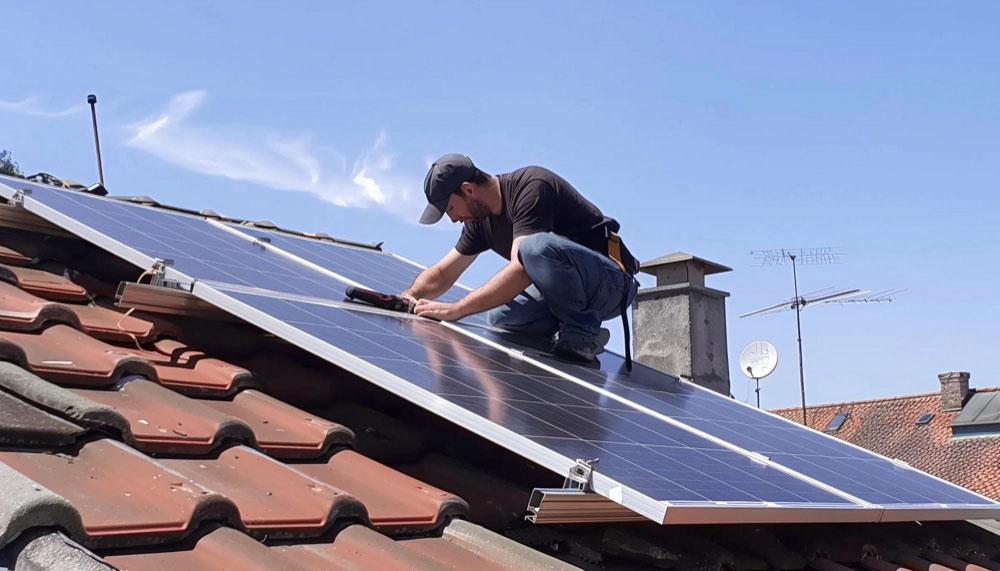
Advantages of selecting Rooftop for Solar Panel installation
- The rooftop is the most sun-exposed area, enabling optimal productivity.
- Maximises the use of unused rooftop space.
- Reduces electricity bills through on-site power generation.
- Enables faster installation with minimal land issues.
- Increases property value by adding renewable energy infrastructure.
How Solar Panel Systems Work?
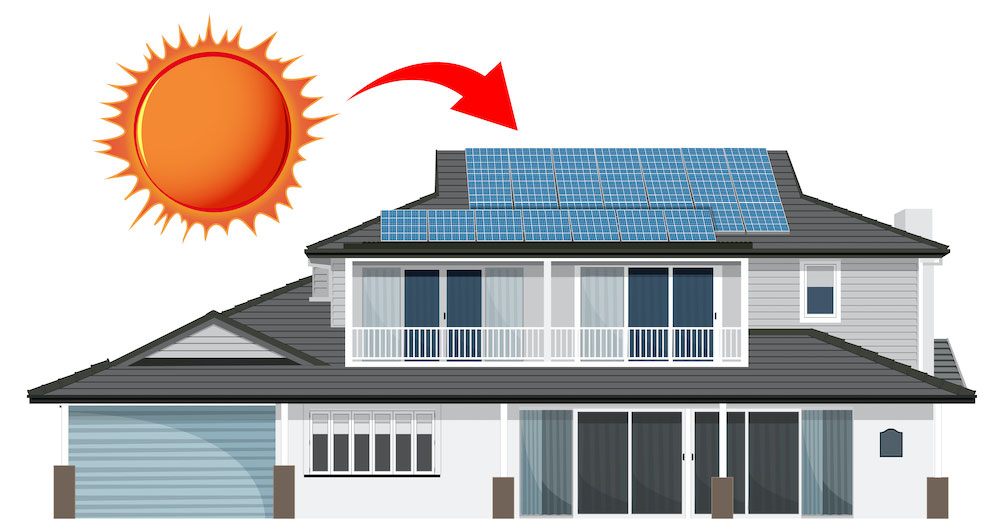
Essential Components of a Residential Solar System
1. Solar Panels
- Capture sunlight and convert it into DC electricity
- Installed on rooftops for maximum sun exposure
2. Inverter
- Converts DC electricity into AC power
- Required for running household appliances and lighting
3. Wiring and Connectors
- Transfer electricity from panels to the inverter and the distribution board
- Proper insulation and routing prevent electrical faults and fire risks
4. Mounting Structures
- Secure panels firmly in place
- Protect against wind, rain, and structural movement
5. Flow of Electricity to the Household Supply
- Sunlight activates sun power solar panels to generate DC power.
- DC power travels through wiring to the inverter.
- Inverter converts DC into AC electricity.
- AC power flows to the main distribution board.
- Excess energy is exported to the grid or stored in batteries, if available.
Common Causes of Fire in Residential Solar Installations
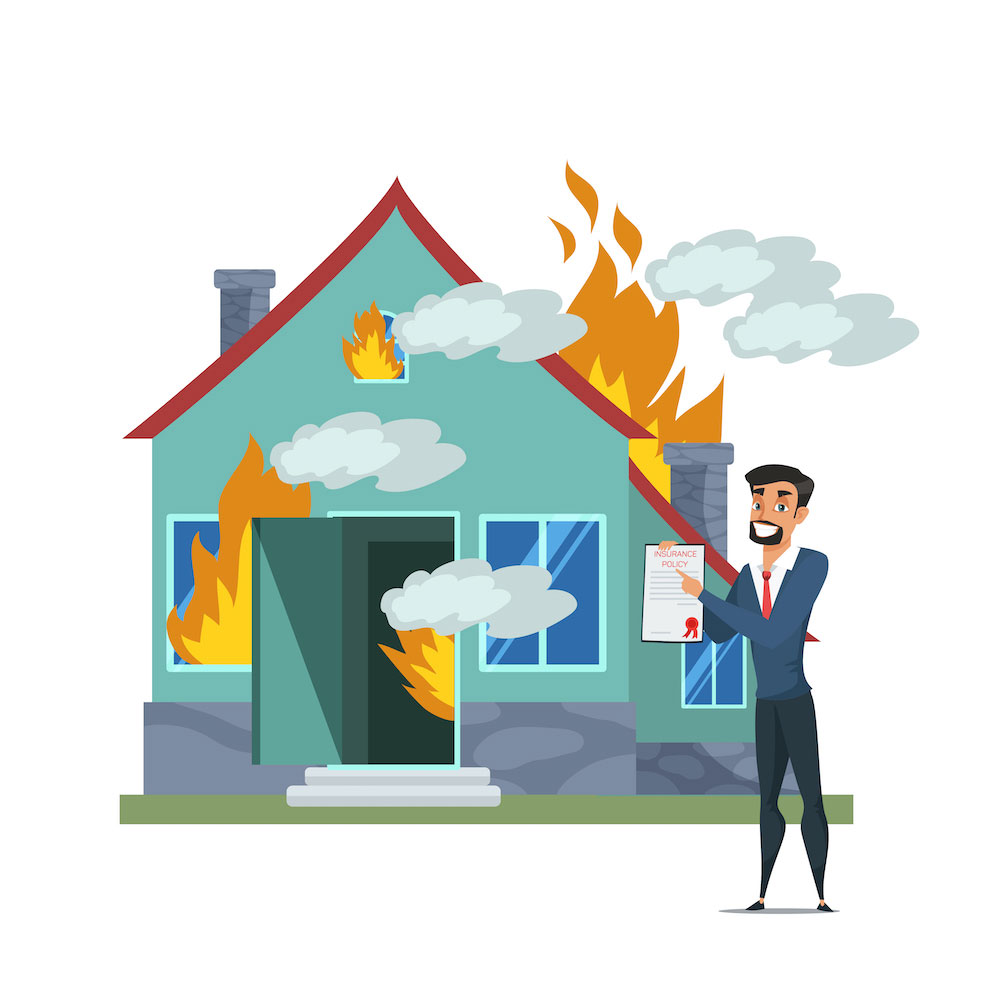
Analysis of reported incidents reveals recurring technical and installation-related failures that often lead to rooftop solar fire hazards in residential solar installations hampering solar safety.
We have listed a few of them here to ensure residential solar fire safety:
- Substandard wiring loses insulation strength, builds excess heat, and often turns normal current flow into a potential fire risk.
- Weak connectors and poorly made junction boxes warp under heat, spark at contact points, and fail unexpectedly.
- Inverters operating under continuous stress can overheat for long periods. It can damage internal parts and ignite nearby surfaces.
- Daily temperature fluctuations can loosen the fittings of the sun power solar system over time. It leads to arcing and gradual insulation damage.
- Water seeping into electrical points causes corrosion, sudden short circuits, and unexpected fire incidents.
- Faulty DC connectors and loose electrical joints trigger overheating and arcing. If left unattended, it may cause ignition under prolonged load conditions.
- Incorrect cable and connector sizing or damaged insulation can increase resistance, leading to heat buildup and potential fire hazards.
- Faulty earthing may pose a fire hazard, especially during a lightning strike.
Key Fire Safety Standards: A Homeowner’s Guide
1. Use of Approved Solar Panels, Inverters, and Cables
- It ensures compatibility between panels, inverters, and cables and connectors.
- The arrangement meets prescribed fire and electrical safety standards.
- The best quality panel components abruptly reduce the risk of overheating, arcing, and system failure.
- Supports manufacturer warranties and insurance compliance.
2. Role of Certified Installers and Licensed Electricians
- Experienced professionals can ensure correct sun power solar system design, layout, and load calculations for rooftops.
- Licensed electricians and solar installers are well aware of the local electrical codes and approved installation practices to ensure home solar panel fire prevention.
- Professional installers and electricians carry out proper earthing and insulation to prevent the risk of system failure or fire hazards.
3. Fire Safety Inspection and Compliance
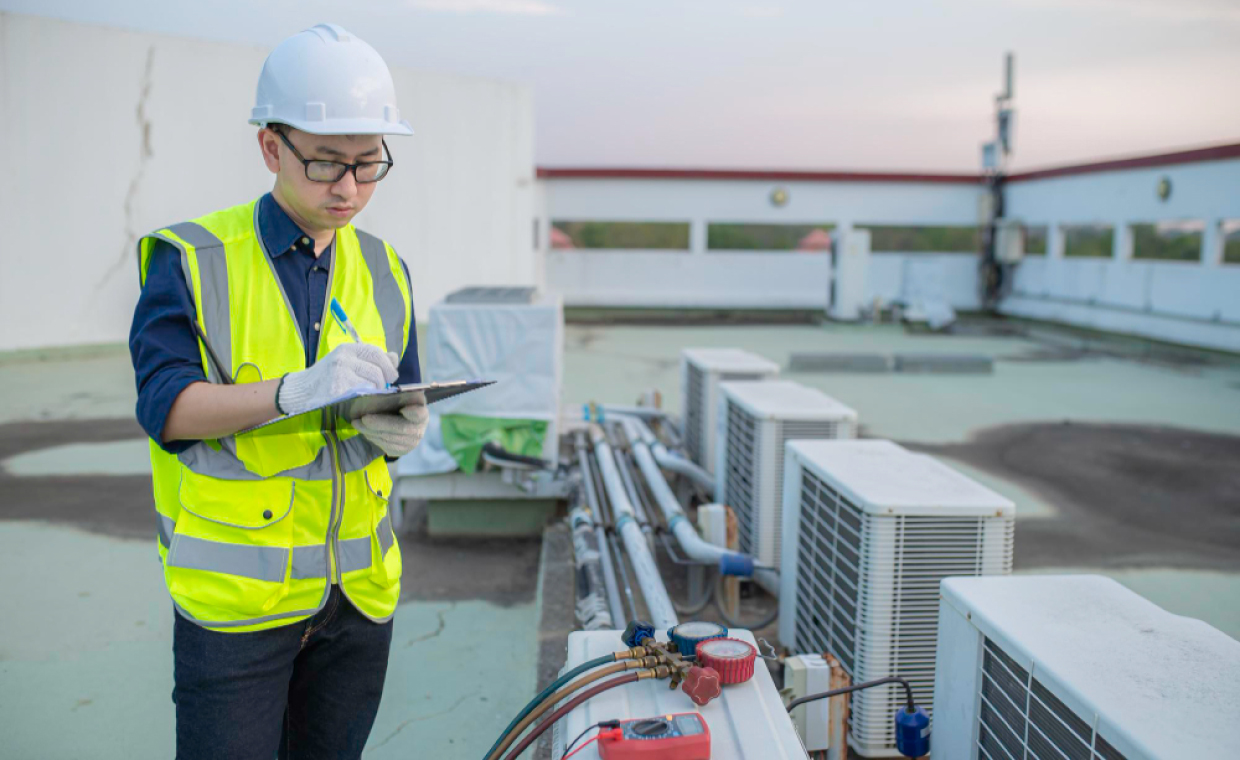
- Once operational, it is wise to arrange system checks to identify loose connections, insulation wear, or moisture ingress.
- Proper labelling of DC isolators and emergency shut-offs is important. It helps in providing a quick response during emergencies.
- Ongoing compliance verifies that rooftop solar installations operate safely, efficiently, and without compromising household fire protection standards.
Tips for Safe Solar Panel Installation Practices for Homes
- Choose the Correct Rooftop Location; Selecting the right rooftop location is important for both system performance and safety.
- Maintain Safe Distances from Edges, Vents, and Water Tanks: Adequate clearance from roof edges, plumbing vents, and water tanks prevents physical damage and fire hazards.
- Use Proper Cable Routing and Insulation: Cables must be routed neatly and kept away from sharp edges and heat sources. Secure fastening is helpful because it prevents sagging and abrasion.
- Install Fire-Resistant Mounting Structures: Strong, non-combustible mounts reduce fire spread risks, support panel stability, and maintain system integrity during extreme heat conditions.
- Ensure Adequate Ventilation around Inverters: Inverters always generate heat during operation and require unrestricted airflow to function safely. Proper ventilation prevents overheating and premature failure.
Fire-Safe Inverter Placement: A Critical Decision
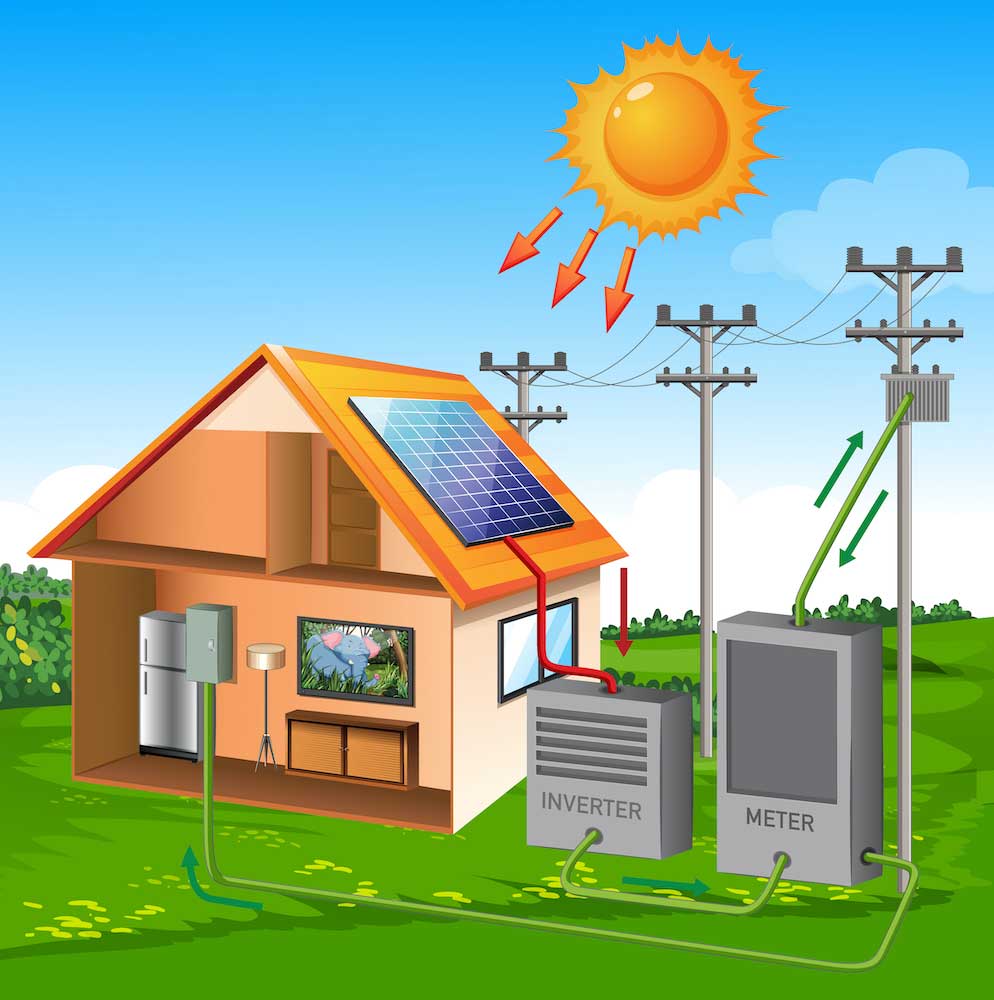
The inverter handles a high electrical load and generates heat continuously. Poor placement significantly increases fire risk; hence solar inverter fire safety is important.
1. Why Inverter Location Matters in Reducing Fire Hazard Risk?
Placing the inverter away from combustible surfaces reduces ignition hazards according to the rooftop solar installation safety guidelines.
As one of the solar panel users noted, “the inverter should be placed close to the solar panel, and connections should be made using high-quality cables without any joints.”
Additionally, you should arrange smoke detectors and fire extinguishers near inverter areas. Smoke detectors enable early fault detection, and fire extinguishers help in rapid fire control, reduce damage, prevent escalation, ensure compliance with safety norms, and improve emergency readiness.
2. Avoid Enclosed and Poorly Ventilated Spaces?
Enclosed or poorly ventilated areas are unsuitable for inverter placement because these spots trap heat easily, raising inverter temperatures beyond safe limits. Excess heat not only increases fire risks but can also damage the inverter’s internal components.
3. Keep Clear Access for Inspection and Emergency Response
Unobstructed access to the inverter is necessary for routine checks and emergencies. Clear pathways allow solar installers and technicians to identify faults quickly and enable first responders to shut down power without delay.
4. Importance of Avoiding Stairwells and Escape Routes for Inverter Placement
- Ensures stairwells and escape routes remain unobstructed during emergencies and evacuations.
- Reduces fire, heat, and electrical hazards in designated exit pathways.
- Complies with building safety codes and fire authority regulations.
Importance of Regular Inspection and Maintenance
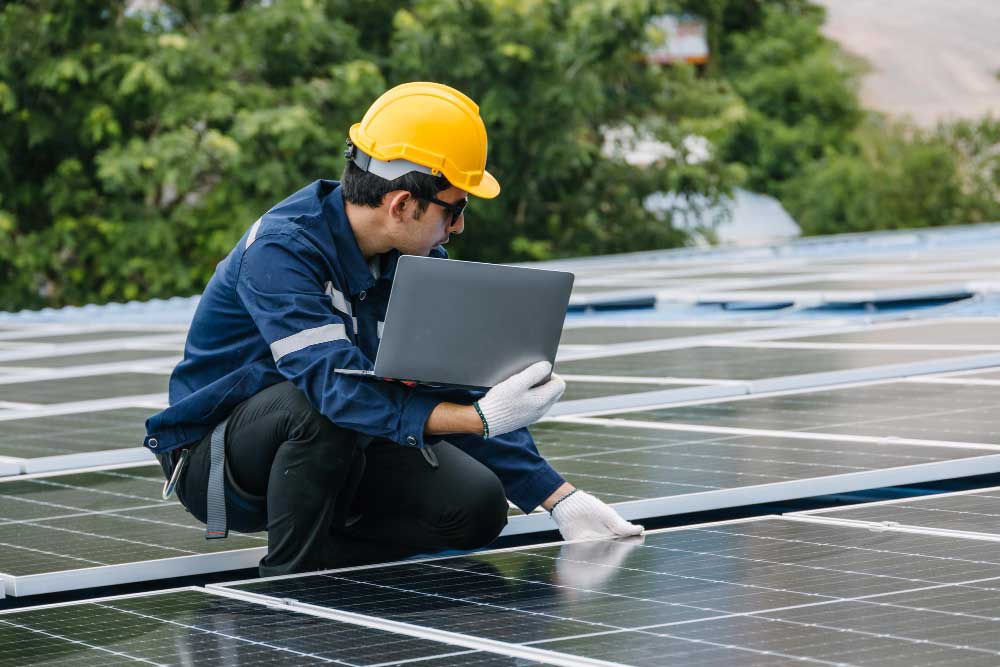
Solar panel installation on rooftops is beneficial for homeowners for multiple reasons. However, optimum performance and safety can be achieved only by following proper maintenance and safety practices.
1. Visual Checks Homeowners Can Perform
Not all homeowners are experts in solar panel installation and maintenance. However, there are a few simple checks that anyone can perform regularly:
- Check for loose or dangling cables around panels and ducts.
- Check panels for visible cracks, burn marks, or discolouration. These may signal electrical stress.
- Observe mounting frames for rust, bending, or loose bolts after heavy rain or strong winds.
2. Signs of Potential Fire Hazards
It is important to recognise early warning signs that may lead to fire hazards. Common signs include:
- Burn Spots: Call a solar maintenance expert if burn marks appear on panels, their edges, or inverters.
- Unusual Smells: Any strange odour from the solar unit should be taken seriously and reported immediately for solar safety.
- Tripped Breakers: Frequent tripping may indicate circuit overload or wiring problems and requires inspection by a certified electrician.
Fire Safety Tips for Homeowners with Rooftop Solar
Homeowners should take a few measures to enhance fire safety of home solar systems:
1. Use Only High-Quality Circuit Breakers and Isolators.
2. Keep Combustible Materials Away from Inverters.
3. Avoid DIY Electrical Modifications.
4. Learn Emergency Shut-Off Procedures and isolator locations.
Myth Vs Facts: Solar panel and Fire safety
Myth: Solar panels may attract lightning during thunderstorms
Fact: Solar panels do not attract lightning. Proper grounding and surge protection safely dissipate electrical energy, minimising damage risks during storms
Myth: Rooftop solar can damage the roof
Fact: Proper installation protects the roofing and securely seals mounting points
Myth: Solar panel on the rooftop works only in strong sunlight
Fact: Solar panels generate power even on cloudy days
Myth: Rooftop solar needs recurring maintenance
Fact: Systems require minimal cleaning and periodic inspection if you use certified products.
Myth: Solar panels overload home wiring
Fact: A well-designed system integrates safely with existing electrical systems
Myth: Rooftop solar is not cost-effective
Fact: Long-term savings often outweigh installation costs
Conclusion
Fire safety in rooftop solar installations depends on informed choices, proper installation, and ongoing vigilance. According to Mr Vijay Krishna, a user of a solar system in his house for more than 5+ years, it is not only an upgrade, it is a conscious step towards financial savings and creating an active green concept for the neighbourhood.
From using certified components to understanding emergency actions, every step plays a role in reducing risk in solar safety. With regular inspections and responsible homeowner practices, solar energy can remain a safe, reliable, and sustainable power source for residential rooftops.
Also Read: Solar-Powered Home Design Trends: A Green Future Ahead
FAQs on Rooftop Solar Fire Safety
1. Are Rooftop Solar Panels Safe for Older Homes?
Yes, rooftop solar panels are safe for older homes when roofs are structurally sound, and when certified professionals install systems that adhere to electrical codes and fire safety standards.
2. Are Rooftop Solar Panels Safe During Extreme Heat?
Yes, solar panels are designed to withstand high temperatures. Proper ventilation, high-quality components, and proper installation prevent overheating and reduce fire risks in extreme hot climates.
3. Do Solar Panels Increase Fire Risk During Storms or Lightning?
No, properly installed solar systems do not significantly increase fire risk during storms. Grounding, surge protection, and lightning arrestors help protect panels and connected electrical systems.
4. Are Rooftop Solar Panels Safe during Extreme Heat?
Solar inverters are safe when certified and correctly installed. Fire risk usually arises from poor ventilation, low-quality equipment, or improper wiring rather than the inverter itself.
5. Do Solar Panels Increase Fire Risk during Storms or Lightning?
Solar panels do not inherently increase fire risk during storms and lighting or even if thunderbolt strikes when systems are properly earthed. It includes the inclusion of surge protection devices, best earthing, and careful installation adhering to national electrical and safety standards.
References
PM Surya Ghar: Muft Bijli Yojana National Portal [Online] Available from https://pmsuryaghar.gov.in/#/
Kiran Siraj, Hassan A. Khan (2020) in DC distribution for residential power networks—A framework to analyze the impact of voltage levels on energy efficiency November 2020Energy Reports 6:944-951, DOI:10.1016/ j.egyr.2020.04.018, License CC BY-NC-ND 4.0 [Online] Available from: https://www.researchgate.net/publication/340791981_DC_distribution_for_residential_power_networks-A_framework_to_analyze_the_impact_of_voltage_levels_on_energy_efficiency
Mohamad Nassereddine, Khaled Ali, Chadi Nohra (2020)in Photovoltaic solar farm; earthing system design for cost reduction and system compliance, June 2020, International Journal of Electrical and Computer Engineering (IJECE) 10(3):2884, DOI:10.11591/ijece.v10i3.pp2884-2893, License CC BY-NC 4.0 [ Online] Available from https://www.researchgate.net/publication/341796654_Photovoltaic_solar_farm_earthing_system_design_for_cost_reduction_and_system_compliance
D. Johnson (2008) in Cables and connectors [ Online] available from https://www.researchgate.net/publication/293207222_Cables_and_connectors
Author & Expert Review
Written By:  Swagata Chatterjee | SEO Content Writer & Editor
| Credentials: MA (Calcutta University, Kolkata). Experience: Content Writer and Editor with 19 years’ experience of business content writing and editing, currently writing SEO-optimized, readers’-friendly articles for Gharpedia, part of SDCPL. Expertise: Specializes in writing well-researched content on lifestyle, home décor, , lifestyle, safety, home appliances and gadgets, on-site SEO Optimization, blending technical accuracy with general reader’s ability to learn the topics. Find her on : Linkedin |
Verified By Expert: Avni Desai Environmental Engineer, SDCPL | M.E. (Environmental Engineering)
This article has been reviewed for environmental, MEP, and building services accuracy by Avni Desai, an Environmental Engineer at Sthapati Designers & Consultants Pvt. Ltd. (SDCPL). With over 8 years of experience in water supply, wastewater management, infrastructure design, and building services, she brings practical expertise in MEP services, sustainable solutions, design planning, and on-site practices. Her professional services include planning and design of water supply systems, sewage and wastewater treatment systems (STP/WTP), drainage, rainwater harvesting, and other sustainable building services. Her review ensures the content aligns with environmental standards, efficient services planning, and real-world applicability.
Find her on: LinkedIn