





Table of Contents
Quick Summary
- Scandinavian decor style originates from the North European countries of Norway, Sweden, Denmark, and Iceland, collectively known as Scandinavia.
- The region’s climate, landscape, and traditional building materials influence the style’s clean, simple aesthetic.
- Scandinavian architecture often uses timber, bright exterior colours, and cool, sophisticated interior tones.
- The Gustavian style was named after King Gustav III. Scandinavian interior styles, known for its elegant furniture, pastel interiors, and antique elements.
- Scandinavian interiors blend minimalism with traditional charm, focusing on functionality, uncluttered spaces, calm colours, and natural materials.
- Typical decor elements include pale pine flooring, soft blue/yellow upholstery, pale blue walls, striped patterns, and antique chandeliers or gilded mirrors.
- Bringing Scandinavian decor home can be achieved by a few tips.
- Using hand-painted wall stripes,
- Adding antique functional furniture & Reupholstering wooden chairs
- Incorporating warm artificial lighting and candles
- Placing rugs (wool, cotton, jute) for cosiness, indoor plants in earthy pots
- The overall goal is to create a warm, cosy, minimalist, nature-inspired environment.
The Scandinavian decor style is ideal for anyone with a penchant for everything simple! Through this blog, we bring you an insight into the fundamentals of this interior decor style, which is fast gaining popularity, especially with Gen Z.
Scandinavia
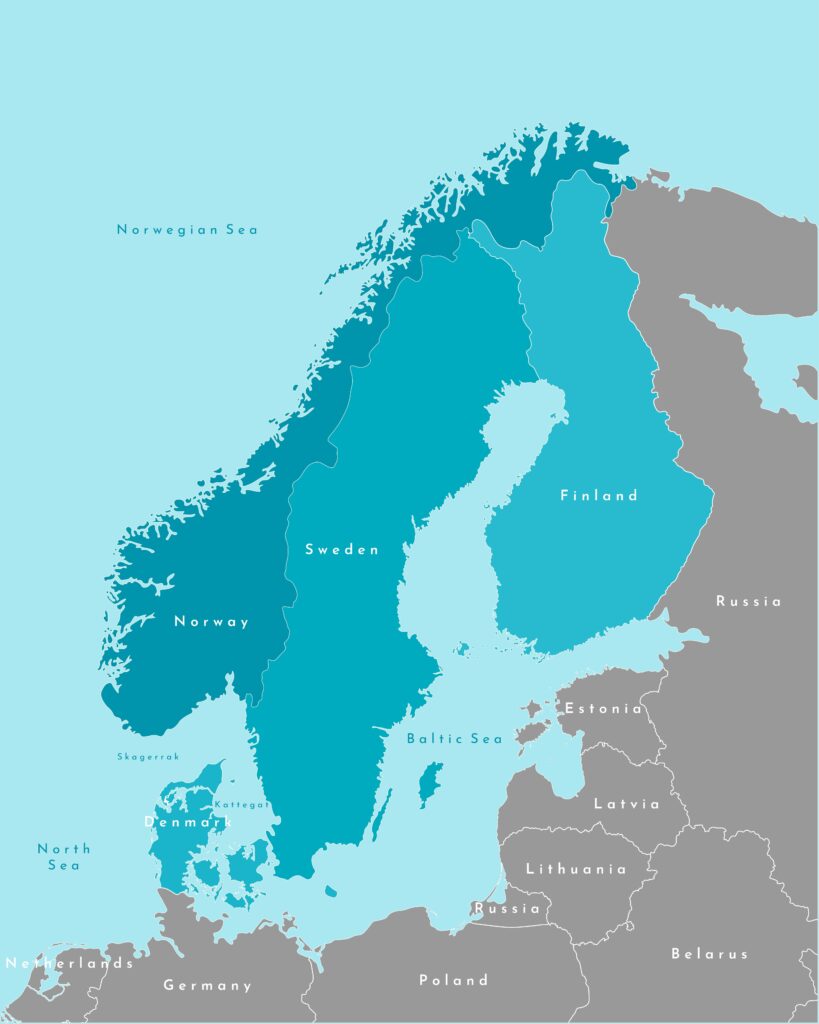
The North European countries of Norway, Sweden, Denmark, and Iceland are collectively known as Scandinavia. Much of the area lies inside the Arctic Circle, and the sea separates four countries from mainland Europe. Although each country has preserved its national identity, the similarities in climate, landscape, and building materials make it possible to bind the regional differences together as Scandinavian interior style – bright colours on the outside and cool, sophisticated colours on the inside.
Scandinavian Style
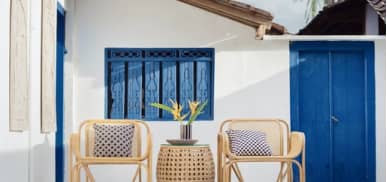
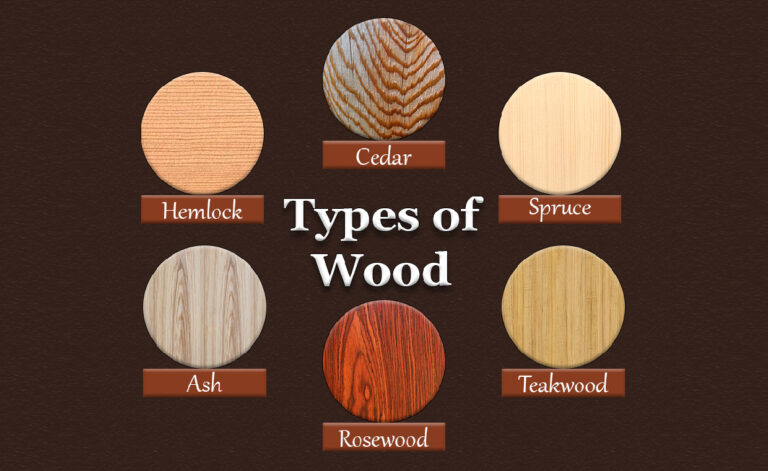
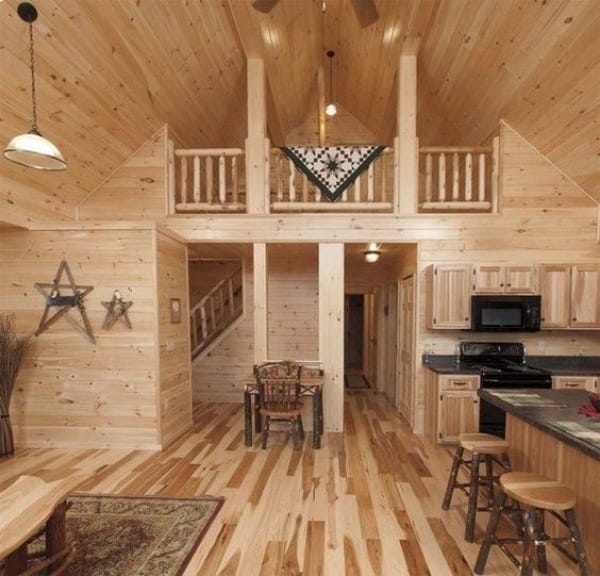
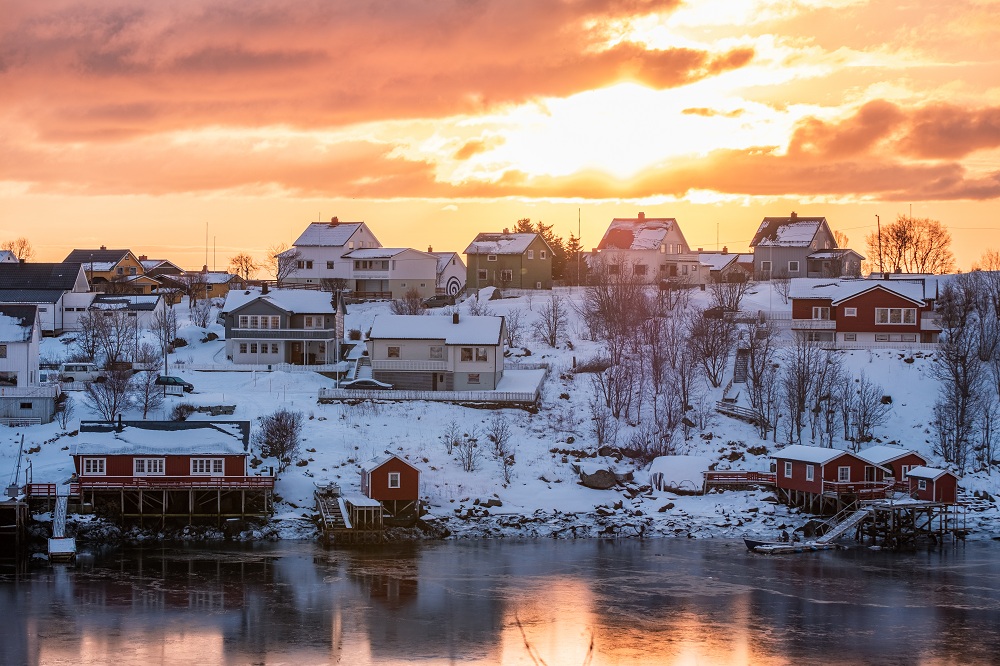
Timber is Scandinavia’s traditional building material, used both inside and out. The extensive pine forests provide a ready supply of construction timber. Country houses are built-in traditional styles and are painted in vivid colour combinations. The colours used to decorate the outside are very likely to be stronger than those used on the inside. Houses are painted in rich brick red with bright blue, yellow ochre with sea green, or bright blue with yellow and white, all rubbing happily against each other. The logic here is that houses need to stand out to be seen in cold northern countries where the landscape is often snow-covered.
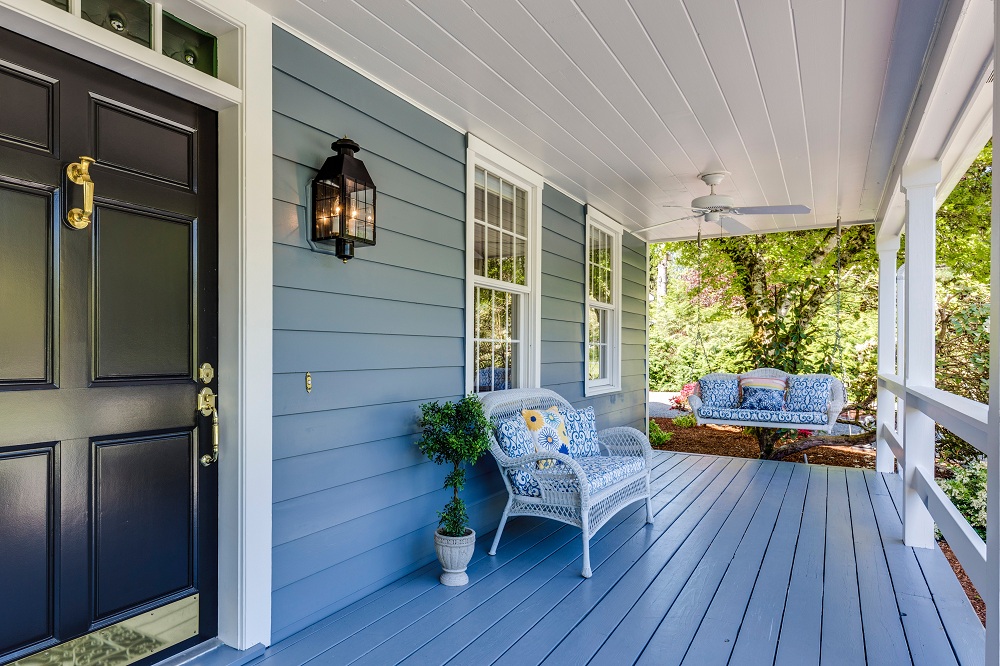
Moreover, the Gustavian style gets its name from King Gustav III, who fell in love with English and French interiors in the late eighteenth century. In those days, what met with the King’s approval became the fashion of the day, and Gustavian remains one of the most recognisably Scandinavian interior styles.
Scandinavian Cities
Cities in Scandinavia have larger structures with exquisite, classically-inspired architecture. Scandinavia didn’t industrialise as quickly as other large cities; therefore, its surroundings are less chaotic, and its architecture is less frantic. Instead, they approach the construction of their towns in a more organised, aspirational “lifestyle” manner. Their interior design included furniture, glassware, ceramics, and traditional crafts, reflecting their superior knowledge of external design.
What is Scandinavian Decor Style?
Scandinavian decor style combines minimalist and traditional elements. Georgio Daccache, in his book ‘Create your Home Interior Design Styles Like a Pro: Interior Design Styles Demystified (2019)’ mentioned that ‘one of the truest characteristics of Scandinavian interior design is making sure spaces are well used and limited in unnecessary clutter.’
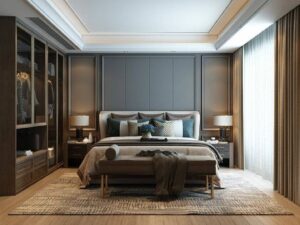
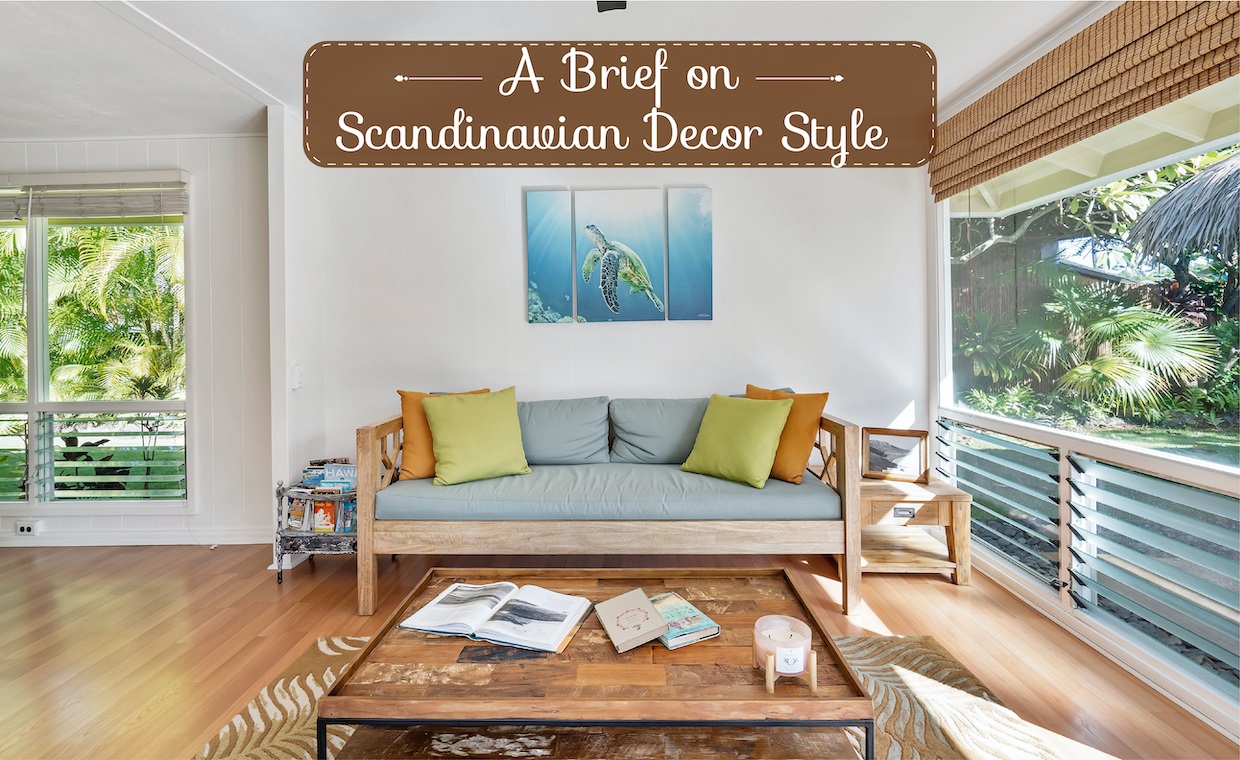
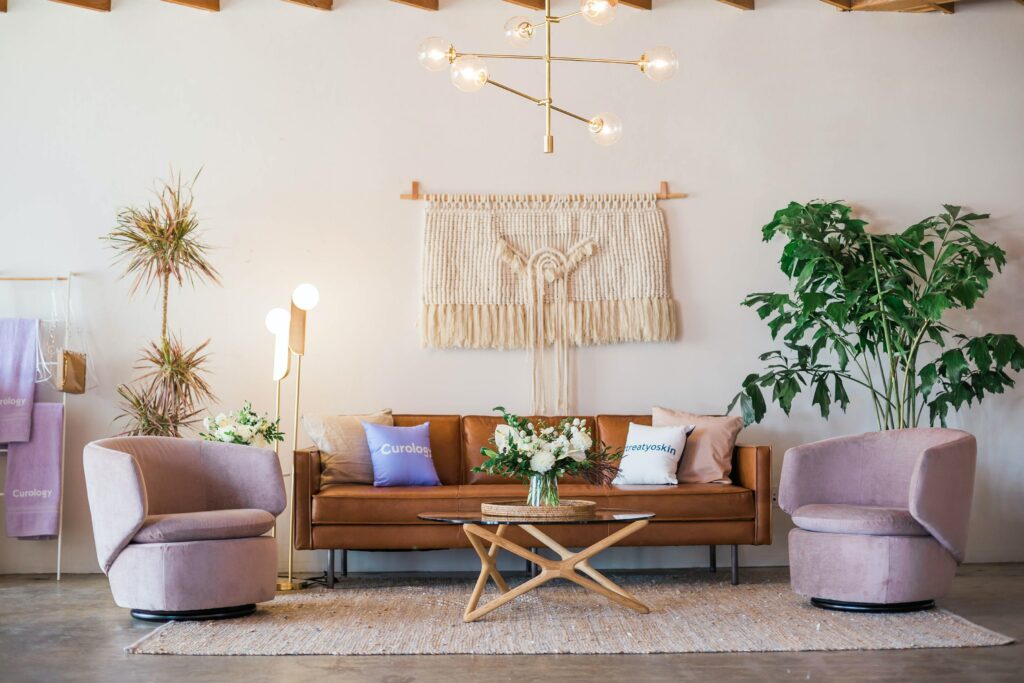
Furniture is upholstered in soft blue or yellow checks; walls are pale blue, sometimes striped with white; floors are polished pale pine, and magnificent and elegant chandeliers provide the lighting. People who respect the minimalist approach in theory but cling to a more conventional style of interior design have taken a shine to this look. It combines the best of both worlds, being perceived as modern for its cool, calm, uncluttered style and limited colour palette; and traditional for the inclusion of accessories such as antique chandeliers and gilded mirrors, which are central to a successful Gustavian look.
Scandinavian Decor Style at Your Home
In order to get the Scandinavian look, just make a few little changes, like Scandinavian wall decor or add Scandinavian design elements. Below are points for Scandinavian-style living room decor.
- Go for a popular wall treatment such as hand-painted wall stripes.
- Choose some antique and functional furniture pieces.
- Renovate wooden chairs with reupholstered seats or place small, frilly, skirted cushions on them.
- Add artificial lights to keep the room’s environment warm and cheerful. As mentioned in book ‘Scandi Rustic: Creating a cozy & happy home (2020)’, written by Rebecca Lawson and Reena Simon ‘Create a cozy ambient lighting scheme using natural light sources like flames and candlelight combined with dimmable lamps for a laidback, restful mood. ‘
- Roll out a wool, cotton or jute rug to create a cosy feel. Invite nature by placing some plants in terracotta or earthenware pots.
So go on and unclutter your life and try a little Scandinavian decor style…!
Maybe if you are interested in other decor styles then check out the below link:
Country Style Decor: Home Decor Styles in Different Countries.
Interior Design Styles 101 – Redefining The Decor Ideas In 2020
FAQs on Scandinavian Décor Style
1. What is Scandinavian Decor Style?
Scandinavian decor style blends minimalist principles with traditional Scandinavian elements, emphasising simplicity, functionality, natural materials, and uncluttered, soothing spaces.
2. What Colours are Commonly Used in Scandinavian Interiors?
The palette typically includes pale blues, whites, soft yellows, muted neutrals, and light wood tones, creating a calm and airy interior atmosphere.
3. What Materials Define Scandinavian Design?
Timber, especially pale pine, is a key material, along with natural fabrics, ceramics, glassware, wool, cotton, and jute.
4. How Can I Add Scandinavian Decor Style To My Home?
You can use hand-painted stripes, antique furniture, warm lighting, natural rugs, indoor plants, and a minimal, decluttered layout to achieve the look.
5. What is the Gustavian Style in Scandinavian Interiors?
The Gustavian style features elegant antique furnishings, pastel colours, striped walls, polished pine floors, and accessories like chandeliers and gilded mirrors, blending tradition with Scandinavian simplicity.
References
Georgio Daccache (2019) in Create Your Home Interior Design Styles Like a Pro: Interior Design Style Demystified [Online] 10 East 53rd Street, New York. Harper Design. Independently published [Online] Available from: https://www.google.co.in/books/edition/Create_your_Home_Interior_Design_Styles/g0_sDwAAQBAJ?hl=en&gbpv=1&dq=scandinavian+interiors&pg=PT70&printsec=frontcover
Rebecca Lawson and Reena Simon (2020) in Scandi Rustic: Creating a cozy & happy home. [Online] Ryland Peters & Small [Online] Available from: https://www.google.co.in/books/edition/Scandi_Rustic_Style/aCT_DwAAQBAJ?hl=en&gbpv=1&dq=scandinavian+decor+style&printsec=frontcover
Author Bio
Huta Raval – An English Literature and Journalism Topper, Huta Raval has graduated from the L D Arts College, Ahmedabad. Post serving for 23 years in the NBFC and Public Library Sectors her desire for ‘writing the unwritten’ brought her to the creative field of content writing. Her clientele comprises of NGOs, Blogging Platforms, Newspapers, Academic Institutions, et al.