Table of Contents
Quick Summary
- Adding texture is an essential part of interior design because it creates interest, warmth, and a more comfortable atmosphere.
- Textured wall décor such as macramé, baskets, and unique hangings can instantly transform blank walls and elevate the space.
- Layering rugs adds visual depth while providing practical benefits like warmth, floor protection, and noise reduction.
- Incorporating greenery and indoor plants brings life, colour, and freshness to any room; low-maintenance plant options work even for beginners.
- Pillows and throws in different fabrics, colours, and patterns add cosiness and softness; however, comfort should always be tested before buying.
- Embracing balanced imperfection—through vintage pieces, natural-looking materials, and rustic textures—adds character and makes décor feel authentic.
- While texture elevates a space, overusing it can make interiors look cluttered; a balanced approach is key.
When you first hear of adding texture to a home, you might be a little confused. It’s certainly difficult to grasp, but it’s an incredibly important aspect of interior design.
In short, it adds interest to a space and takes away that clinical feel. The correct elements generate warmth and liveliness while creating an overall more comfortable environment.
Amazing Tips to Add Texture to Your Home
Below we are going to discuss five tips to add texture to your home.
Are you interested in learning more about texture in home decor? Then let’s get started.
01. Hang Unique Textured Wall Decor


Your walls are the perfect blank canvas to add texture, so it’s one of the best places to begin. Unique wall art, such as macrame, baskets, and other decorate hangings, can completely transform the appearance of a space.
If you like keeping things fairly minimalistic, that’s fine too! Something like this antique white shiplap still adds texture without overwhelming the area.
02. Layer Beautiful Rugs

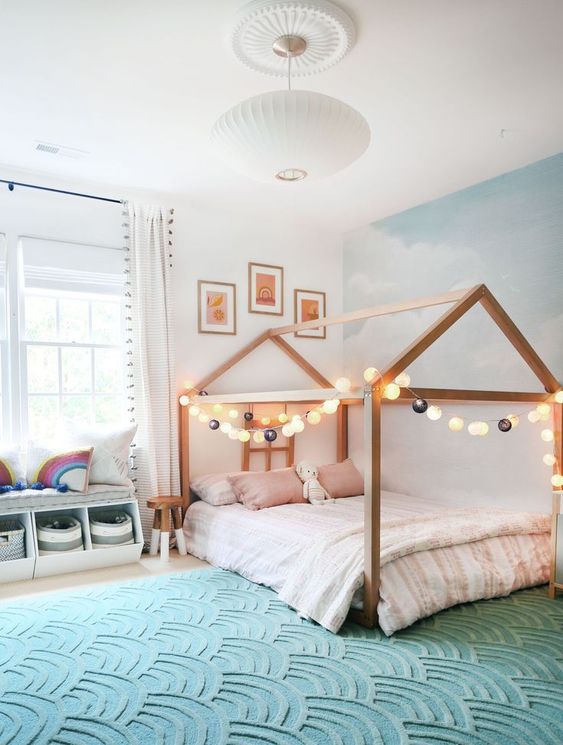
One easy way to add texture that is often most recommended is to layer different rugs. Not only do they look great, but they have a range of additional benefits.
Alongside keeping your feet extra toasty in the winter, your floors will be protected from damage, and they even assist with noise reduction. Check out these different rug styles for some inspiration. There are options for everyone!
03. Add Plenty of Greenery

You can never go wrong when decorating with greenery. Foliage can breathe life into any room, and the splash of colour can be just what you need to cheer up your day.
While you might be tempted to go with fake plants, it’s certainly worth considering a few low-maintenance options like those listed here. You would be surprised at how easy they are to care for – no green thumbs needed!
04. Decorate with Pillows and Throws

Much like rugs, pillows and throws are other accessible items that can add a lot of depth to a space. You can mix and match fibers, colours, and prints to create a cozy atmosphere perfect for relaxing.
Just make sure that you feel everything in advance before you commit a purchase! If you’re spending money on things, you want to be sure that you can still use them! Some items may look great, but they can be itchy and uncomfortable.
05. Aim for Balanced Imperfection

Finally, when adding the final touches to your space, remember that things don’t have to be perfect. One of the most interesting parts of texture is that nothing is the same.
Try decorating with vintage pieces from your local thrift store and favour materials that are natural-looking. Those bumps, curves, and lines will all work to add more interest. Not to mention the right piece can be the perfect focal point.
Final Words
And that’s it! As you can see, there are so many different ways to add texture to your home. Just remember that you don’t want to overdo it. Adding too much can make the area appear cluttered or untidy. It’s all about finding balance.
If you want to read more articles, then refer following links:
FAQs on Tips to Add Texture to Your Home
1. What Does Adding Texture to a Home Mean?
Adding texture involves using materials, patterns, and layered elements that create visual and tactile interest, making a space feel warm and dynamic.
2. How do I Add Texture to a Room Without Making it Look Cluttered?
Use a mix of textiles (rugs, throws, pillows), natural décor (plants, baskets), and one or two statement pieces, while keeping the rest of the room simple and balanced.
3. What is the Easiest Way to Add Texture to a Home?
Layering rugs and adding textured wall décor like macramé or woven baskets are the quickest and most effective methods.
4. Can Plants be Used to Add Texture to Interiors?
Yes. Indoor plants add organic texture, colour, and depth. Even low-maintenance foliage can significantly brighten and soften a room.
5. What Materials Give a Space a Textured, Cosy Feel?
Natural fibres, knitted throws, woven baskets, vintage items, macramé, layered fabrics, and rugs all contribute to a warm and textured interior aesthetic.