





Table of Contents
Quick Overview
Here is the quick overview of the advantages and disadvantages of vitrified tiles:
- Pros:
- They are suitable for high-traffic areas and are highly durable.
- Available in a variety of patterns, designs, colours and finishes.
- They are dense and non-porous, making them resistant to moisture and bacterial growth.
- Easy to clean and maintain by regular sweeping and mopping.
- Cons:
- They are more expensive than ceramic tiles.
- Required a skilled professional for their installation.
- Slippery when wet if the tiles have glossy finish.
- Feels cold barefoot, especially in colder regions.
- They will get a chip or break if a heavy object drops.
- Grout lines become dirty over a period of time.
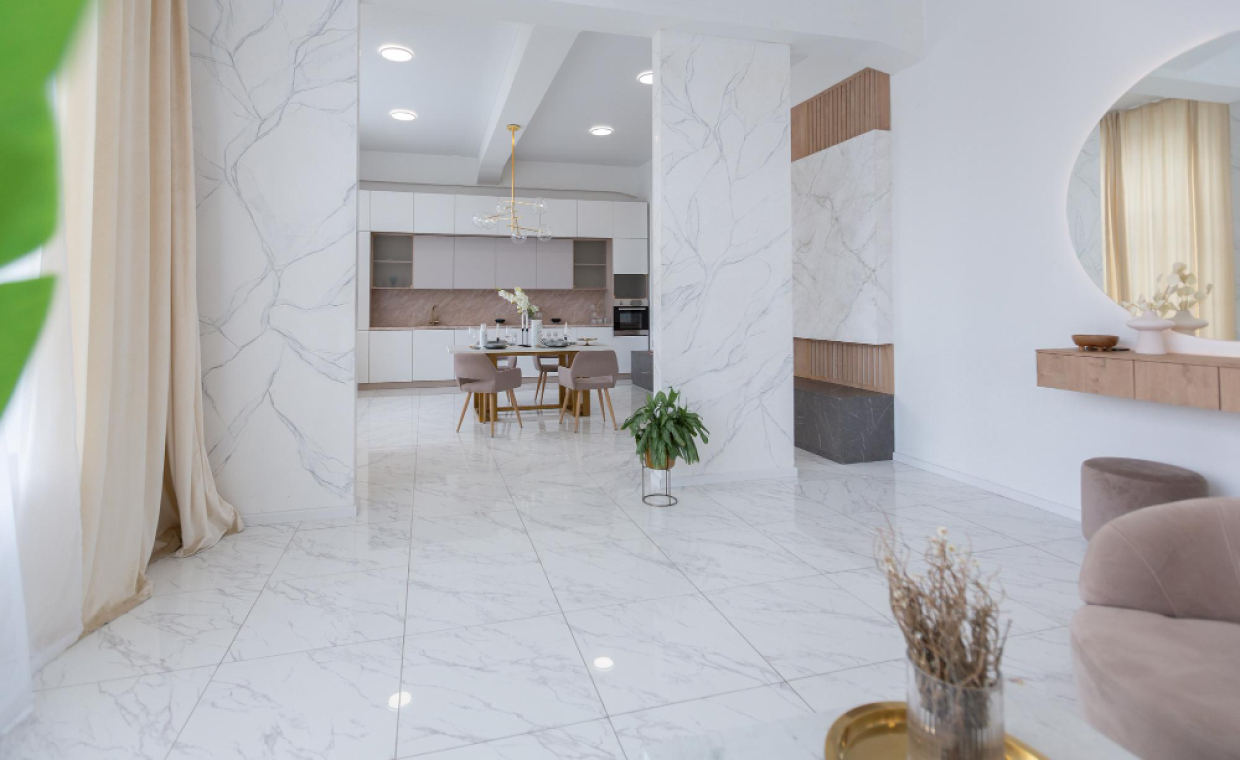
Vitrified tiles are becoming an increasingly popular option for homes as they can be used as on both floors and walls. They have become a reliable substitute for marble and granite because of their elegance and durability.
Vitrified tiles provide a sleek appearance, require low maintenance and have many other benefits. However, like any other material, vitrified tiles also have their disadvantages. So, it is important to consider both pros and cons of vitrified tiles before making any decision. Here we will discuss several advantages and disadvantages of vitrified tiles.
Advantages of Vitrified Tiles

1. Durability
One of the most significant advantages of vitrified tiles is their durability. They are made through the vitrification process (fusion of silica and clay at high temperatures), which creates a dense and non-porous material. Therefore, vitrified tiles are ideal for high-traffic areas and are water, stain and scratch-resistant.
2. Aesthetic Appeal
Vitrified tiles come in a variety of colours, patterns, designs and finishes, making it easier for you to choose the perfect style to complement your room. They offered versatility due to their sleek and contemporary look.
3. Water and Stain Resistance
The non-porous properties of vitrified tiles make them resistant to stains and water. This is especially beneficial in areas prone to moisture and spills, such as bathrooms, kitchens, or backyards. Unlike other flooring materials that absorb water and eventually get damaged, vitrified tiles remain unaffected by moisture. This helps prevent the growth of bacteria and fungi, making them suitable for a wide range of projects.
4. Easy to Maintain
The most popular advantage of vitrified tiles is their low maintenance requirements. Thanks to their resistance to water and moisture, they are easy to clean and maintain. Regular sweeping and mopping are usually enough to keep them looking shiny and bright.
5. Hardness
Vitrified tiles have a hard surface, which contributes to their durability. But the same hard surface may get damaged if heavy objects drop on it, potentially damaging both the tiles and the dropped item. Moreover, standing or walking on vitrified floors for a long time gets very uncomfortable.
Disadvantages of Vitrified Tiles
1. Cost
Vitrified tiles can be more expensive than other flooring materials, such as ceramic tiles. This higher cost of vitrified tile is due to their complex vitrification process and the quality of materials used.
2. Installation Challenges
The installation of vitrified tiles requires professional help due to their heavy weight and precise requirements. Due to their hardness, cutting and fitting these tiles can be a challenging task, calling for skilled workers and specialised tools. Improper installation can lead to various problems, such as uneven surfaces or cracked tiles. Therefore, it is always recommended to hire a skilled professional to ensure a sleek and flawless finish.
3. Slippery
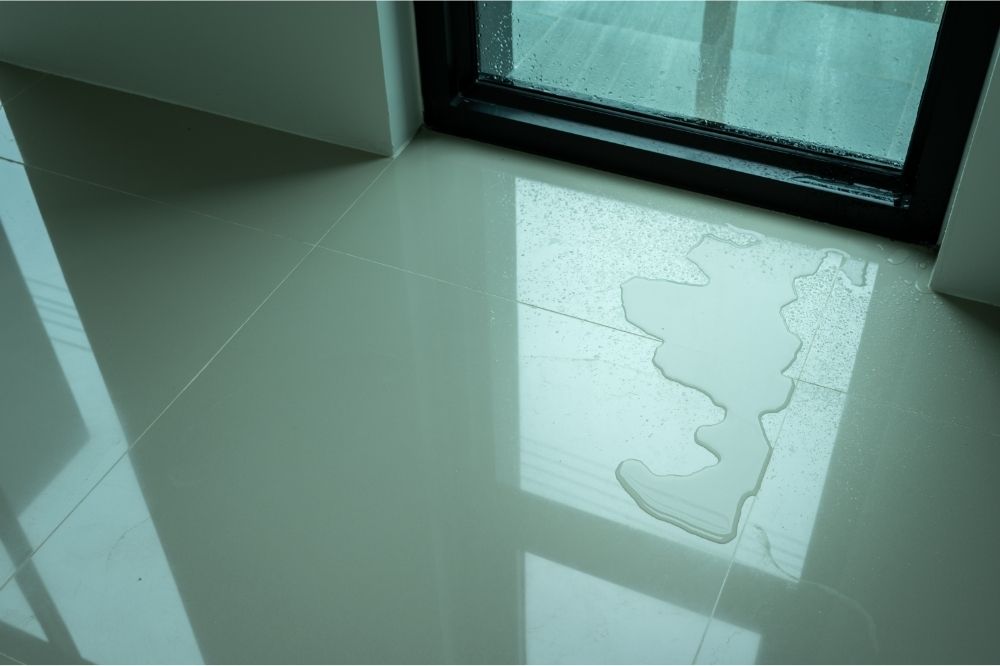
Vitrified tiles are slippery when wet due to their glossy surface finish. Therefore, it is important to choose tiles with anti-skid properties, especially for moisture-prone areas, such as bathrooms, kitchens or swimming pool surroundings.
4. Cold Underfoot
Vitrified tiles tend to retain the temperature of the surroundings. That is, they turn cold in cooler climates, which makes walking on them specifically uncomfortable during winter. However, this can be addressed by using area rugs or underfloor heating systems to enhance comfort.
5. Environmental Impact
Vitrified tiles are not environmentally friendly, as their manufacturing process consumes a significant amount of energy and releases carbon dioxide. So, if you are a nature lover, you probably don’t want to install this flooring option in your home.
6. Limited Lifespan
If a vitrified tile floor gets chipped or broken accidentally, it will require complete replacement, unlike marble, which can be repolished. So, when you buy tiles, always purchase extra pieces and reserve them for future use.
7. Dirty Grout Lines
After a few years, grout must be resealed as it may begin to look shabby. The sealant will create a hazy finish on vitrified tiles if allowed to dry.
Conclusion
By weighing the pros and cons of vitrified tiles, you can make an informed decision that aligns with your requirements and preferences, ensuring beautiful and functional flooring for your home.
FAQs on Advantages and Disadvantages of Vitrified Tiles
1. Where Can You Use Vitrified Tiles?
Vitrified tiles are most suitable for high traffic areas, moisture-prone areas like bathrooms and kitchens, and outdoor areas like patios, where durability is most important.
2. Can Vitrified Tiles Get Repaired?
If vitrified tiles are broken or chipped, you need to replace them with new ones, so always keep extra tiles for future use when buying. They cannot be repolished like marble or granite.
3. Can Vitrified Tiles be Used in a Bathroom?
They can be used in the bathroom but glossy vitrified tiles are slippery when wet. So, you can use anti-skid vitrified tiles for safety purposes.
4. How to Remove Stains from Vitrified Tiles?
You can remove basic stains by using home remedies, such as applying household cleaners like baking soda paste, white vinegar solution or hydrogen peroxide to remove stains of tea or coffee.
5. Are Vitrified Tiles Long Lasting?
Yes, their non-porous or dense property makes them durable and resistant to stains, moisture or scratches, making them suitable for long term use.
Author & Expert Review
Written By:  Kinjal Mistry | Civil Engineer & Senior Content Writer

| Credentials: B.E. (Dharmsinh Desai University, Nadiad, Gujarat). Experience: Civil Engineer with 9 years of content writing experience, currently writing impactful articles for Gharpedia, part of SDCPL. Expertise: Specializes in writing well-researched content on home improvement, sustainability, building materials, home interior, DIY, and plumbing technology with everyday clarity. Find him on: LinkedIn |
Verified By Expert: Ravin Desai – Co Founder – Gharpedia | Co Founder – 1 MNT | Director – SDCPL

This article has been reviewed for technical accuracy by Ravin Desai, Co-Founder of Gharpedia and Director at Sthapati Designers & Consultants Pvt. Ltd. With a B.Tech. in Civil Engineering from VNIT Nagpur and an M.S. in Civil Engineering from Clemson University, USA, and over a decade of international and Indian experience in the construction and design consultancy sector, he ensures all technical content aligns with industry standards and best practices.
Find him on: LinkedIn