Table of Contents
Quick Summary
- Modern kitchens are expected to function nowadays as social hubs in a residential place.
- Modern kitchens are likely to blend daily cooking needs with entertaining and family interaction.
- Residential kitchen designs increasingly borrow efficiency, durability, and performance from commercial kitchens.
- Larger prep areas, islands, professional appliances, and strong ventilation are used to improve workflow and safety of residential kitchens.
- Warm materials, balanced colours, lighting, and decorative elements soften industrial features of a homely kitchen.
- Durable materials like quartz, quality fixtures, and smart appliances reduce maintenance issues, which is helpful for homeowners.
- Thoughtful layouts and zoned work areas enhance movement, comfort, and usability of a residential kitchen.
Modern kitchen architecture is widely used in today’s kitchens. Today’s kitchens are the gathering hubs in most homes. While kitchens used to be focused primarily on functionality, they’re increasingly blending essential elements with aesthetic awareness. Modern kitchens may feature appliances of a quality more commonly associated with commercial kitchens. But to feel like inviting spaces, kitchen designers need to be mindful of everything from the layout to materials choices and colours.
Keep reading to learn more about how the latest modern kitchen architecture is fusing commercial functionality with residential style.
Investing in Commercial Features
Any restaurant kitchen must be ready for an onslaught of use. While residential kitchens don’t face the same durability requirements, they do need to be ready to withstand nightly meal prep and dinner parties. The best residential kitchens are integrating commercial elements that can help them function more efficiently and safely.
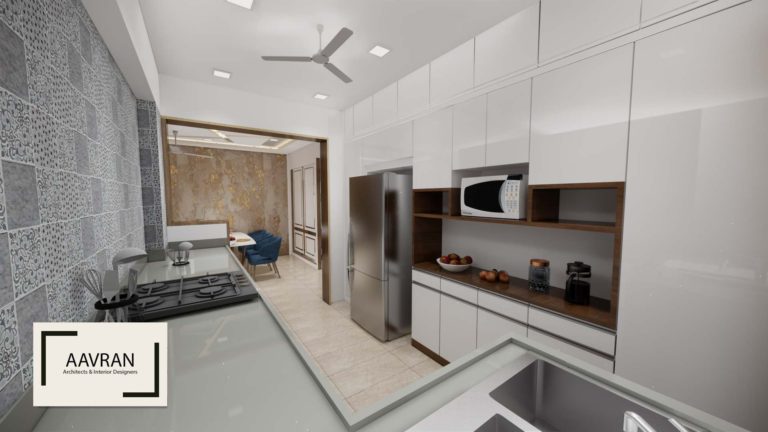
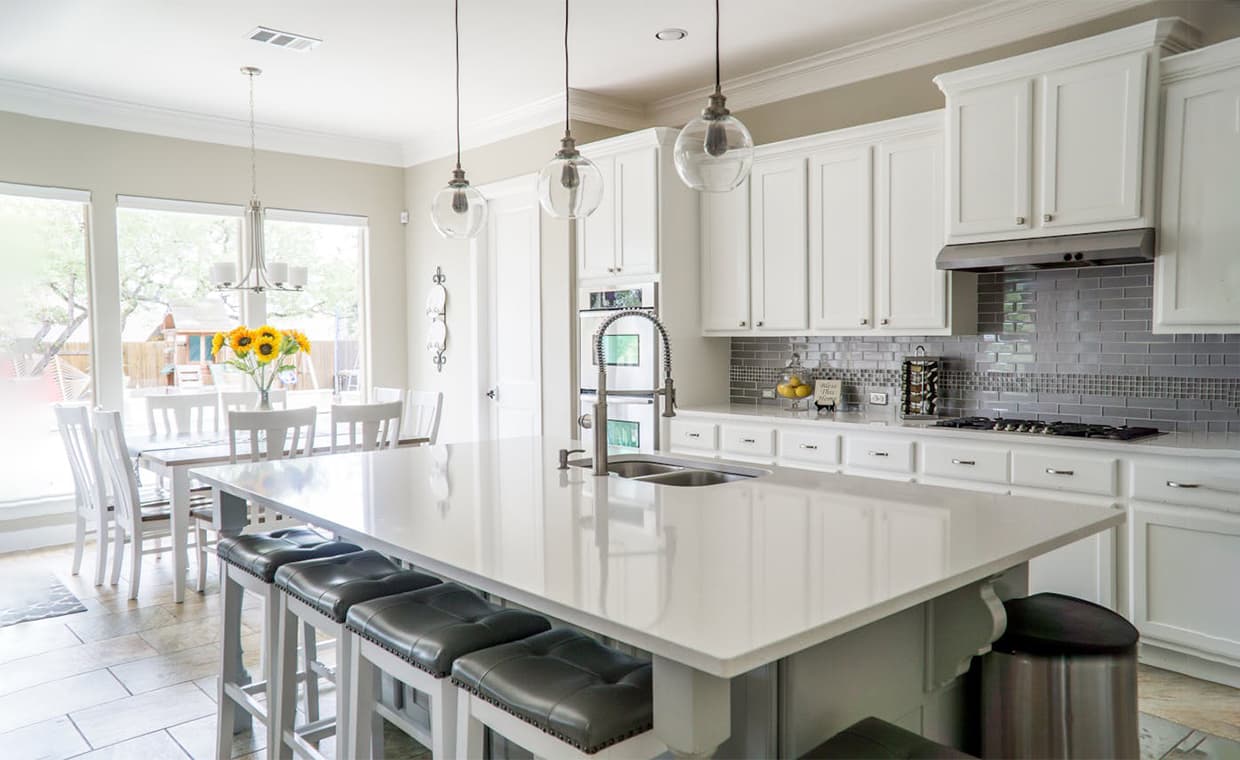
Bigger prep areas, including standalone islands, offer home chefs more space to chop and sort ingredients. Sturdier, professional-grade restaurant cooking equipment from sources like Restaurant Supply and stronger ventilation systems make the cooking process easier and more predictable. And sleek stainless-steel appliances as professional kitchen appliances for homes and surfaces elevate the visuals to create a more sophisticated cooking experience.
Weaving in Softer Design Elements
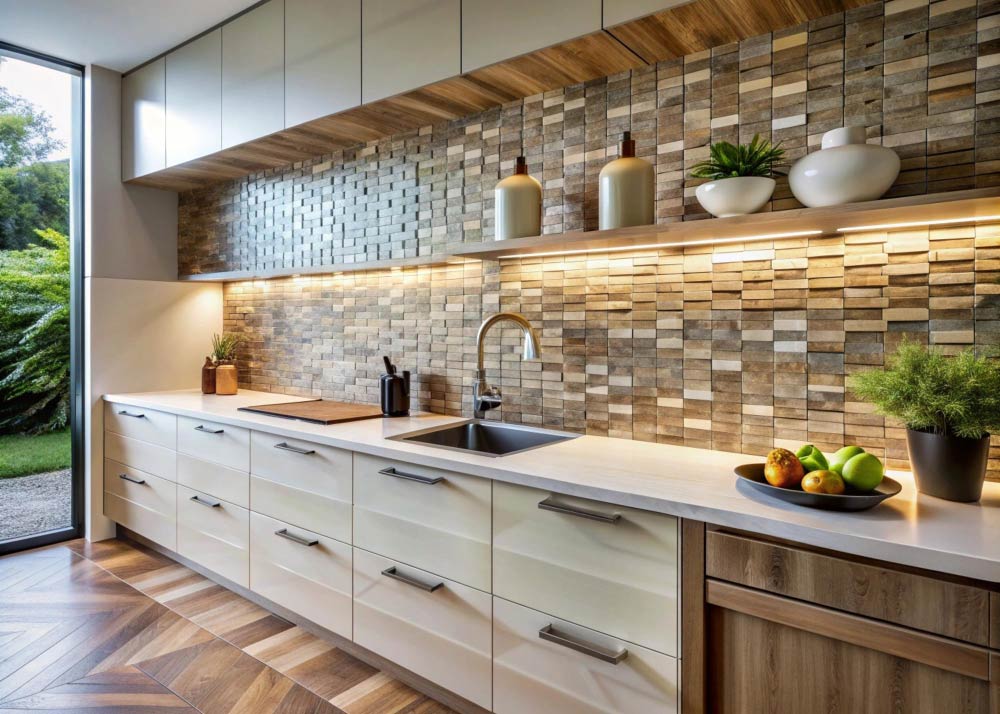
Yes, commercial kitchens are robust and efficient. But they can also feel cold and austere. The metal surfaces and utilitarian designs won’t exactly be a perfect fit in entertaining-focused residential kitchens. That’s why the modern kitchen architecture introduces warmer materials and colours alongside commercial features to work as commercial-style home kitchens.
Lively backsplashes, handsome wooden cabinetry, and stunning stone countertops can bring warmth to any kitchen as durable kitchen materials and finishes. Similarly, open shelves with decorative objects and cohesive colours can help a kitchen feel more appealing. With some ambient and focused light sources, the space can become a place for both cooking and entertaining, which is the specialty of the modern kitchen architecture and its global acceptance.
Choosing Long-Lasting Materials
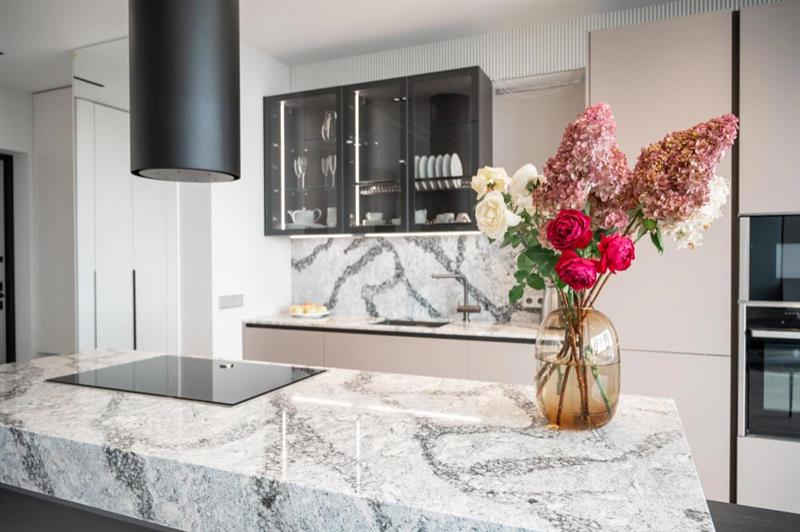
Restaurant kitchens can stand up to fluctuating humidity, moisture, and repeated use. Home cooks don’t need to invest in this level of resilience in their kitchens. But they can tap into more durable materials that can hold up to frequent cooking sessions, kids, and dinner parties. Opting for quartz countertops during a kitchen makeover, for instance, offers stronger resistance to scratches. And upgrading to better faucets can reduce the chances of leaks and malfunctions that require a visit from the plumber. Homeowners should look into better, water-resistant flooring, smart ovens that can regulate temperatures, and cooktops that ensure even cooking, as well to implement modern kitchen design trends.
Ultimately, better materials and appliances can translate to fewer kitchen problems. Stronger materials won’t need to be replaced as often, either. This can result in a more sustainable approach to running a residential kitchen.
Creating a Better Kitchen Layout
Before choosing appliances and building materials, anyone designing a fresh kitchen should consider its residential kitchen layout ideas. Professional kitchens account for workflow needs as they determine where to place prep stations, ranges, and fridges. Residential kitchens should do the same. Islands, for example, can be prime workstations for dinner prep. They can also function as attractive hubs for appetizers and drinks during a gathering. Kitchens can be organised according to zones to maximize space and avoid crowding.
Building a Welcoming and Functional Kitchen Space
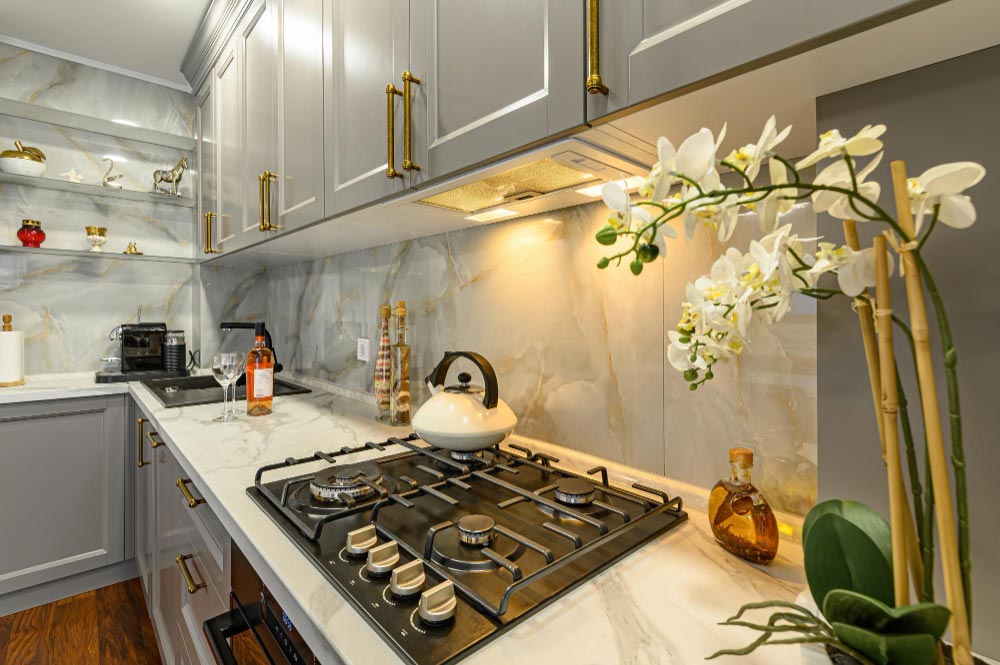
The best kitchen architecture strikes a balance between functionality and aesthetics. Kitchens must offer home chefs a comfortable place to prepare dinner or bake a dessert for an upcoming event. And this requires investing in professional-grade appliances that provide the perfect sear or optimal baking experience. At the same time, modern kitchen architecture should be creative enough as inviting spaces where family members can mingle as they cook or guests can sit and talk. An ideal kitchen can perform well as a culinary hub and serve as a central gathering point where everyone enjoys spending time together.
Conclusion
The objective of modern kitchen architecture actualises where functionality matches the personality. If we blend commercial-grade efficiency with positive elements like warm materials, thoughtful layouts, and lasting finishes, it is easily possible to create a space that cooks skilfully and hosts effortlessly. It can turn a kitchen into a functional showpiece and the true heart of the home.
Also Read: Essential Things One Must Know About Modular Kitchens
FAQs on Modern Kitchen Architecture
1. What are the Benefits of Using a Commercial-Grade Appliances in a Home Kitchen?
Commercial-grade appliances offer higher performance, faster cooking, better heat control, improved durability, and consistent results, making every day cooking and entertaining more efficient and enjoyable.
2. Do Commercial Kitchen Features Make a Home Kitchen Look Too Industrial?
No, certainly it is not like that. If commercial elements are paired with warm cabinetry, textured backsplashes, stone countertops, and layered lighting, the combo effect can enhance functionality without zero-compromise on residential comfort or style.
3. What Materials are Best for a Long-Lasting Residential Kitchen?
The list of long-lasting elements for a modern kitchen is quite extended. However, some of thee elements are quartz countertops, stainless-steel appliances, water-resistant flooring, quality faucets, and heat-stable cooktops. Thes elements provide durability, easier maintenance, and better resistance to daily wear.
4. How Important is Kitchen Layout in Modern Home Design?
Kitchen layout is critical and it is always customised. In general, well-planned zones for prep, cooking, and storage improve workflow and reduce crowding. These elements make a modern kitchen functional, safer and more comfortable.
5. Are Professional Kitchen Features Worth the Investment for Homeowners?
Yes. They improve cooking performance, reduce long-term repairs, support frequent use, and add lasting value while making the kitchen more efficient and enjoyable.
Author & Expert Review
Written By:  Swagata Chatterjee | SEO Content Writer & Editor
| Credentials: MA (Calcutta University, Kolkata). Experience: Content Writer and Editor with 19 years’ experience of business content writing and editing, currently writing SEO-optimized, readers’-friendly articles for Gharpedia, part of SDCPL. Expertise: Specializes in writing well-researched content on lifestyle, home décor, , lifestyle, safety, home appliances and gadgets, on-site SEO Optimization, blending technical accuracy with general reader’s ability to learn the topics. Find her on : Linkedin |
Verified By Expert:  Ravin Desai – Co Founder – Gharpedia | Co Founder – 1 MNT | Director – SDCPL
This article has been reviewed for technical accuracy by Ravin Desai, Co-Founder of Gharpedia and Director at Sthapati Designers & Consultants Pvt. Ltd. With a B.Tech. in Civil Engineering from VNIT Nagpur and an M.S. in Civil Engineering from Clemson University, USA, and over a decade of international and Indian experience in the construction and design consultancy sector, he ensures all technical content aligns with industry standards and best practices.
Find him on : Linkedin