





Table of Contents
Quick Summary
- Fences define property boundaries while improving security, privacy and kerb appeal.
- Unlike a compound wall, a fence is generally lighter, quicker to install and available in various materials and styles.
- Popular fence materials include wood, chain-link, bamboo, vinyl, wrought iron, aluminium, composite and precast concrete.
- The best type of fencing for a home depends on whether your priority is privacy, security, aesthetics or simply marking a property boundary.
- In India, RCC/precast concrete fences, chain-link fencing and bamboo fencing are among the most practical choices for residential plots, farmhouses and gardens.
- Maintenance requirements vary widely. Wooden fences need regular sealing, while vinyl, aluminium and precast concrete require comparatively less upkeep.
- Before installing a fence, always check your local municipal or housing society regulations regarding property boundaries and permissible fence heights.
Courtesy - Magnific
A fence is often the first thing people notice about a property. It defines your property’s edge, improves security and, when chosen wisely, enhances the overall landscape.
With so many types of fences available today, choosing the right one can feel difficult, but once you understand that the best fence fits your budget, is easy to maintain, suits local conditions, and serves its purpose, choosing one becomes easier. Depending on the material, a fence can provide privacy, improve security, protect gardens or create a decorative border.
This guide compares 11 different types of fencing for homes, explaining where each works best, its advantages, limitations and the situations in which it makes the most sense.
What Is a Fence and How Is It Different from a Boundary Wall?
Very often, people use “fence” and “compound wall” interchangeably, but they are not. Understanding the distinction between a boundary wall vs fence can help you choose the right solution for your property.
A boundary wall or a compound wall is usually built using brick, stone or reinforced concrete. It is a permanent structure designed to enclose a property and provide privacy and security.
A fence, on the other hand, is generally made from timber, steel, aluminium, bamboo, vinyl or precast concrete panels. Depending on its design, it may offer full privacy, partial screening or define the property line.
Fence vs Boundary Wall Comparison
| Feature | Fence | Boundary Wall |
| Construction | Wood, Steel, Aluminium, Bamboo, Vinyl, RCC Panels | Brick, stone or RCC masonry |
| Installation | Faster | More time-consuming |
| Cost | Budget to Premium | Usually higher |
| Appearance | Decorative and Versatile | Solid and permanent |
| Privacy | Depends on Design | Excellent |
| Best Use | Gardens, villas, farmhouses, plots, decorative boundaries | Residential compounds and high-security properties |
Many Indian homeowners also combine a low masonry plinth with chain-link, metal or precast fencing above it to balance cost, security and appearance.
What Are the Main Types of Fences?
Choosing the right fence materials for home use comes down to balancing budget, durability, climate suitability and how much upkeep you’re willing to commit to. The following fence types are among the most commonly used worldwide, with several being particularly popular in India.
1. Wooden Fence
Courtesy - Magnific
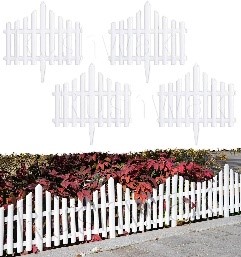
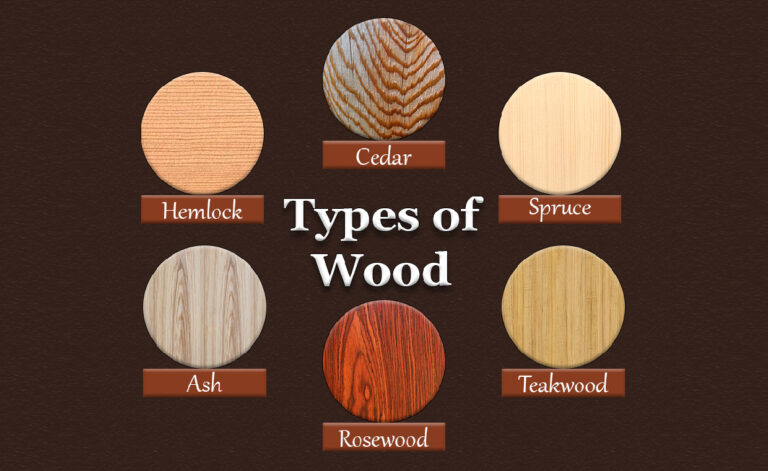
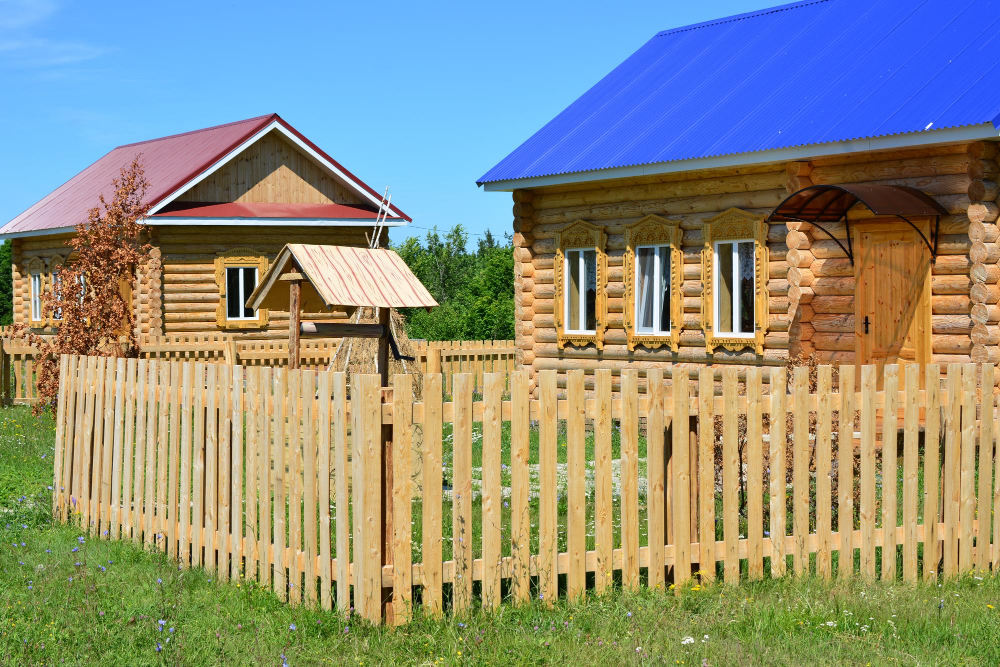
Wood remains one of the most timeless types of fencing for homes. Its natural appearance makes it a perfect match for cottages, villas, traditional residences and landscaped gardens. Wooden fences are customizable in terms of height, colours and finishes. Depending on the construction, they can serve either a decorative purpose or provide a reasonable level of privacy.
Best For
- Traditional homes
- Villas
- Garden boundaries
- Decorative front yards
Advantages
- Natural appearance
- Customisable designs
- Good privacy when built with solid panels
- Renewable material
Limitations
- Requires periodic staining or sealing
- Vulnerable to termites if untreated
- Can warp or swell in humid climates
- Needs more maintenance than metal or vinyl fencing
Maintenance Tip: In regions with heavy monsoon rainfall, inspect wooden fences annually and reseal exposed surfaces every few years to improve durability.
Also Read: Best Wood Fencing Ideas for Your Home
2. Chain-Link Fence

Courtesy - Canva

A chain-link fence is one of the most practical and affordable fencing options available. Made from galvanised steel wire woven into a diamond-shaped mesh, it is widely used around residential plots, schools, factories, sports facilities and farmhouses.
In some places, chain-link fencing is often installed over a low masonry plinth to improve durability while reducing construction costs.
Best For
- Residential plots
- Farmhouses
- Industrial premises
- Large property boundaries
Advantages
- Budget-friendly
- Quick installation
- Weather-resistant
- Long service life
- Low maintenance
- Allows visibility
Limitations
- Offers little privacy
- Basic appearance
- Can eventually corrode if the protective coating is damaged
Useful Tip: For increased privacy, combine chain-link fencing with privacy slats, climbing plants or hedge plantations.
3. Vinyl (PVC) Fence
Courtesy - Canva
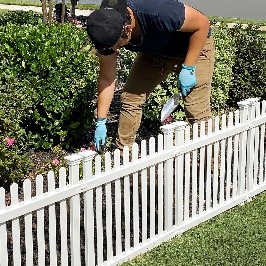
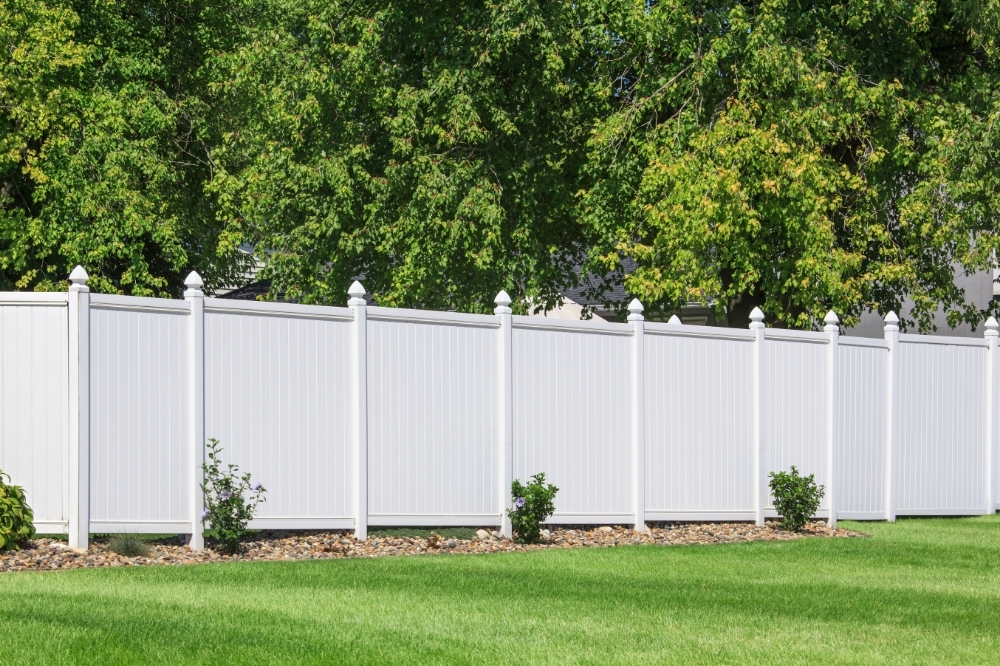
Vinyl fencing has become increasingly popular because it combines a clean appearance with minimal maintenance. Unlike timber, it does not require painting, polishing or sealing.
PVC fences are resistant to moisture, termites and most weather conditions, making them suitable for many parts of India.
Best For
- Modern homes
- Low-maintenance properties
- Residential privacy fencing
Advantages
- Resistant to rot and termites
- No painting required
- Easy to clean
- Weather-resistant
- Available in multiple styles
Limitations
- Higher initial investment
- Difficult to repair if damaged
- Can crack under severe impact
Note: Vinyl costs more than wood initially. But its lower maintenance requirements often offset the higher purchase price over time.
4. Wrought Iron Fence
Courtesy - Canva
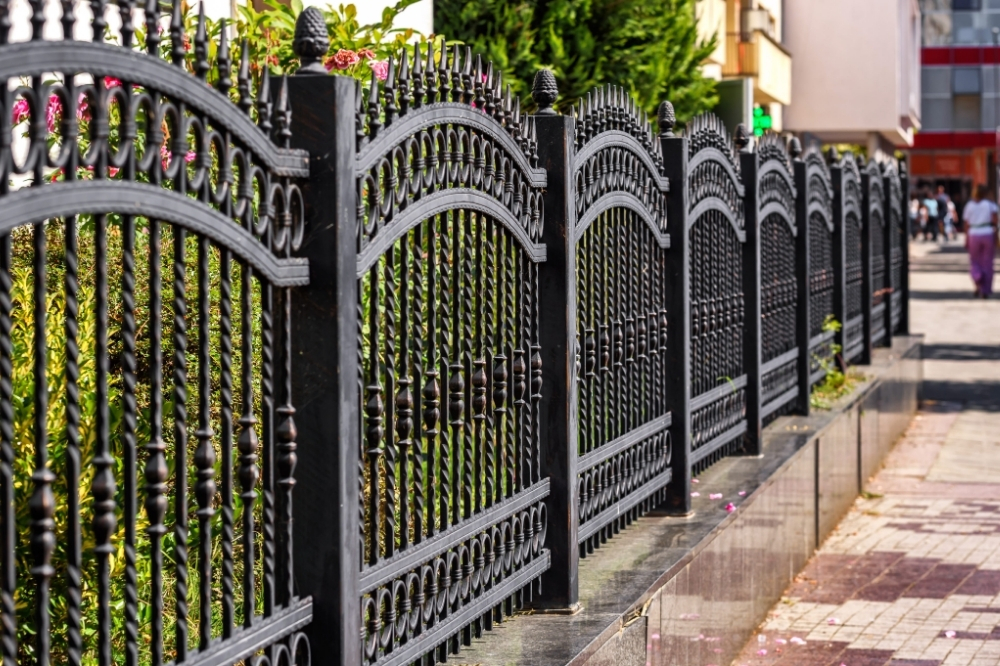
If security and elegance are equally important, a wrought iron fence is difficult to beat. Its ornamental designs add architectural character to a property while its strength creates a substantial physical barrier.
Best For
- Luxury homes
- Villas
- Institutional buildings
- Decorative front boundaries
Advantages
- Extremely strong
- Excellent security
- Elegant appearance
- Long service life
- Highly customisable
Limitations
- Expensive
- Heavy to install
- Requires periodic rust protection and repainting
Remember: For coastal areas where corrosion is a concern, powder-coated finishes significantly improve durability.
5. Aluminium Fence
Courtesy - Canva
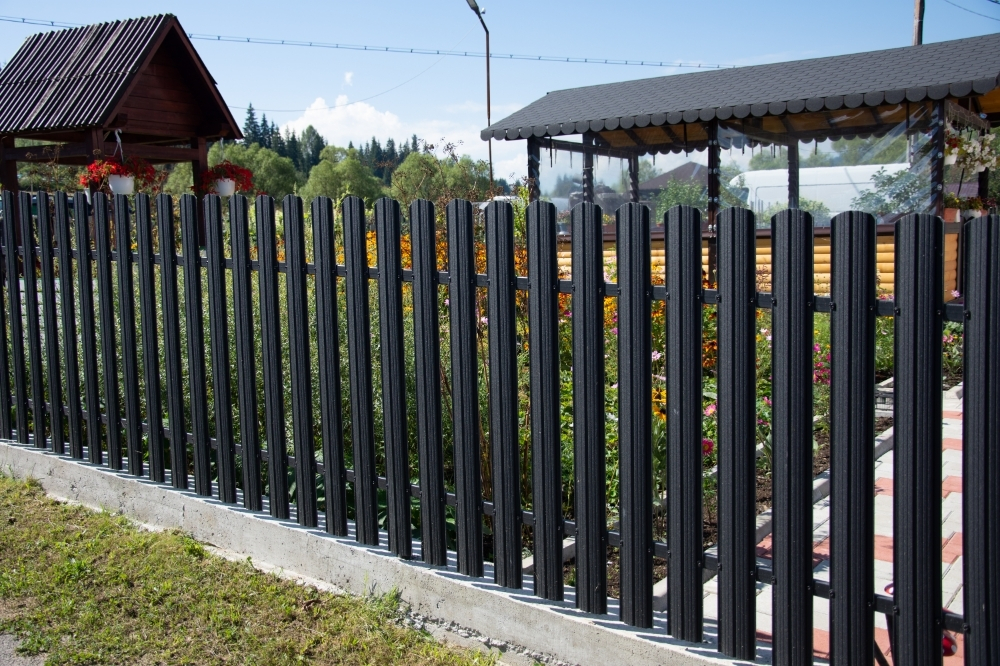
If you want to retain the appearance of wrought iron but want to do away with the weight, choose aluminium fencing. It looks great, just like wrought iron and weighs considerably less. It resists rust naturally and requires very little maintenance, making it an excellent choice for humid and coastal environments.
Although it is not as strong as wrought iron, it performs well for decorative boundaries, gardens and swimming pool enclosures.
Best For
- Modern residences
- Gardens
- Swimming pools
- Coastal regions
Advantages
- Rust-resistant
- Lightweight
- Low maintenance
- Modern appearance
- Easy installation
Limitations
- Less impact-resistant than iron
- Limited privacy
- Can bend under heavy force
6. Bamboo Fence
Courtesy - Magnific
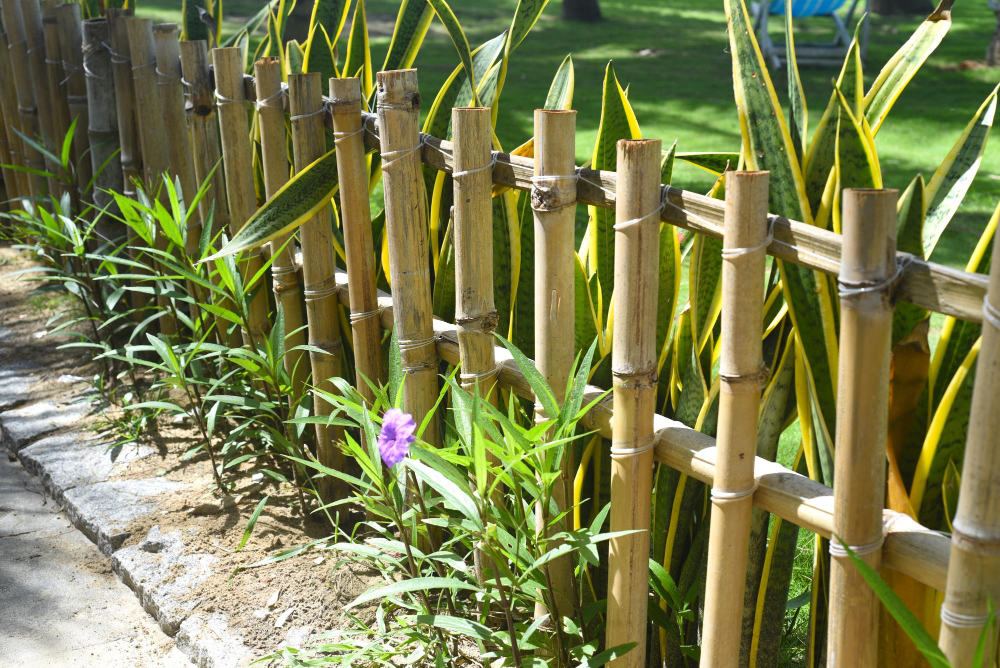
A bamboo fence is a wonderful option for homeowners seeking an eco-friendly fencing solution. Its relaxed appearance works particularly well in landscaped gardens, patios and farmhouse settings.
Bamboo is lightweight, affordable and renewable, making it particularly attractive for tropical landscapes. However, proper treatment is essential to improve resistance against moisture, insects and fungal attack.
Best For
- Gardens
- Farmhouses
- Tropical landscaping
- Patio screening
Advantages
- Sustainable material
- Affordable
- Lightweight
- Natural appearance
- Easy installation
Limitations
- Shorter lifespan than metal or concrete
- Requires periodic treatment
- Susceptible to termites if untreated
- Not ideal for high-security boundaries
Maintenance Tip: For a longer service life, use treated bamboo and apply weather-protective coatings regularly.
Also Read: Bamboo Fencing: An Alternative Solution of Wood Fencing!
If you love to plant saplings near the fence that can enhance the aesthetic appeal of the fence, then check these.
7. Precast Concrete (RCC) Fence
Courtesy - Magnific
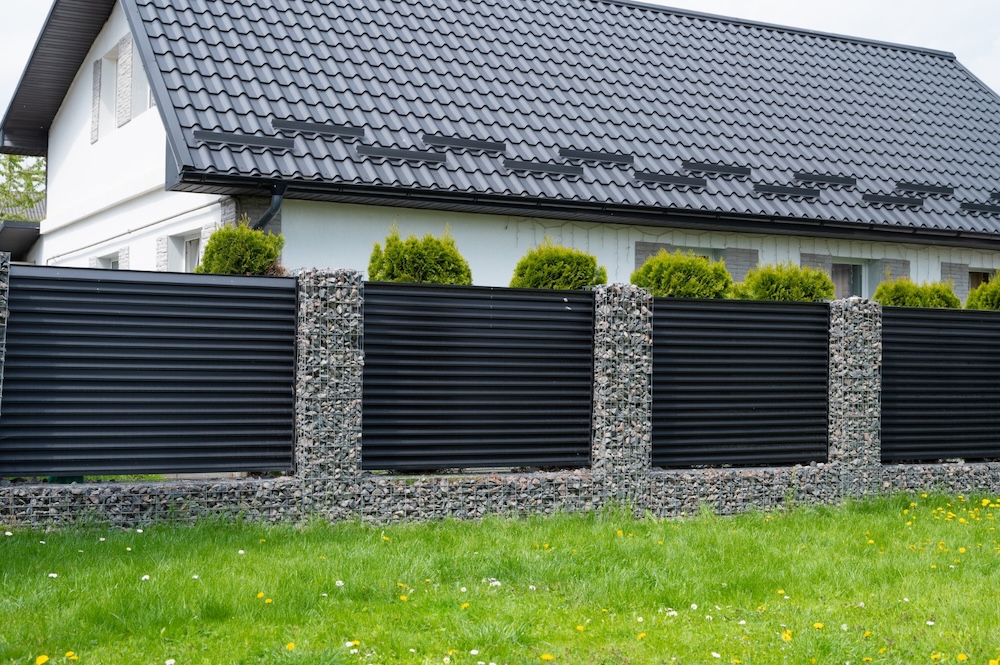
When it comes to durability and security, precast concrete fences, also known as RCC fences, are among the most practical choices. Unlike traditional masonry walls that are built on-site, precast fence panels are manufactured in a controlled environment and installed quickly at the site.
Because they are resistant to weather, pests and fire, RCC fences require very little maintenance and can withstand harsh climatic conditions, making them especially suitable for regions with heavy rainfall or extreme temperatures.
Best For
- Residential plots
- Independent houses
- Industrial premises
- Schools and institutions
- Farm boundaries
Advantages
- Excellent durability
- High level of privacy and security
- Resistant to termites, fire and corrosion
- Minimal maintenance
- Faster installation than conventional masonry walls
- Good sound insulation
Limitations
- Heavy components require specialised installation
- Difficult to modify once installed
- Higher initial investment than chain-link fencing
Precast RCC fencing has become increasingly popular because it offers the strength of a compound wall with much faster installation. It is commonly used to secure vacant plots before construction begins.
8. Barbed Wire and Electric Fence
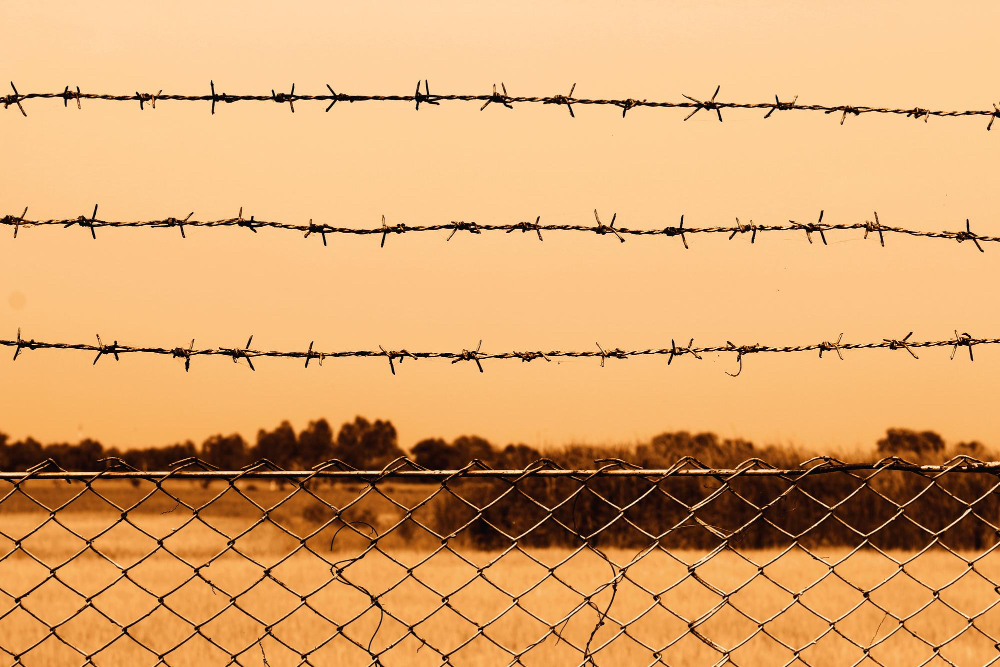
Courtesy - Magnific
Barbed wire fencing is designed primarily for security rather than aesthetics. It consists of steel wires fitted with sharp barbs that prevent trespassing and animal intrusion.
Electric fencing operates by delivering controlled electrical pulses instead of a continuous current. It is widely used on farms, agricultural land and livestock enclosures.
Neither option is generally suitable for residential front boundaries because they offer no privacy and can present safety concerns.
Best For
- Agricultural land
- Farms
- Large estates
- Industrial security
Advantages
- Economical
- Quick installation
- Effective perimeter protection
- Low maintenance
Limitations
- No privacy
- Poor visual appeal
- Not a good option for homes with children
- May be restricted by local regulations, particularly electric fencing
Important: Before installing electric fencing, check applicable local regulations and safety requirements, as rules vary across states and municipalities.
If you are a resident of Cornwall, fencing is easy with some reliable fence contractors.
9. Picket Fence
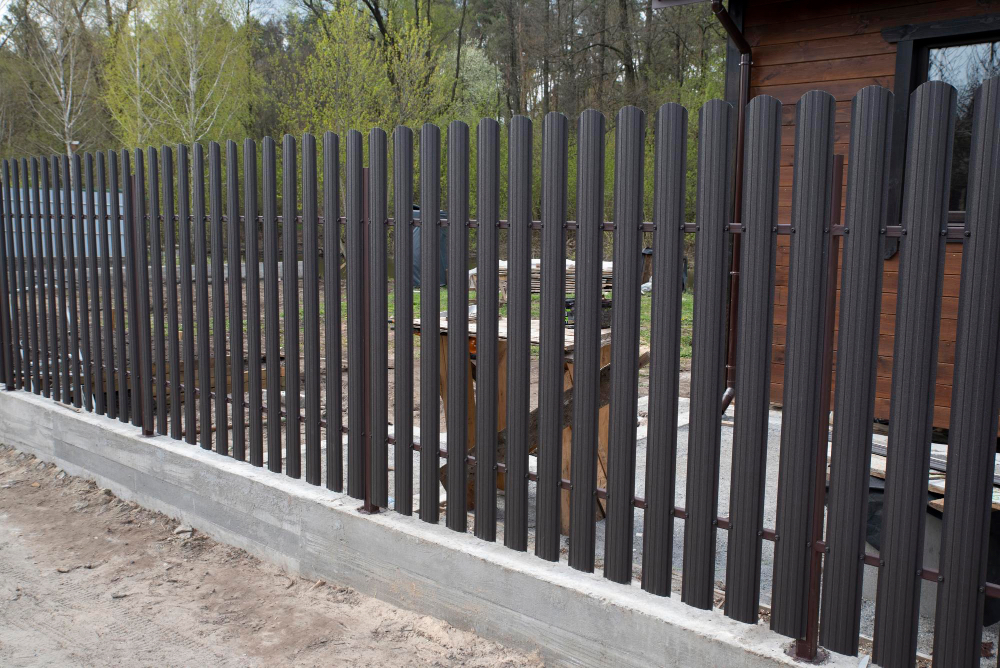
Courtesy - Magnific
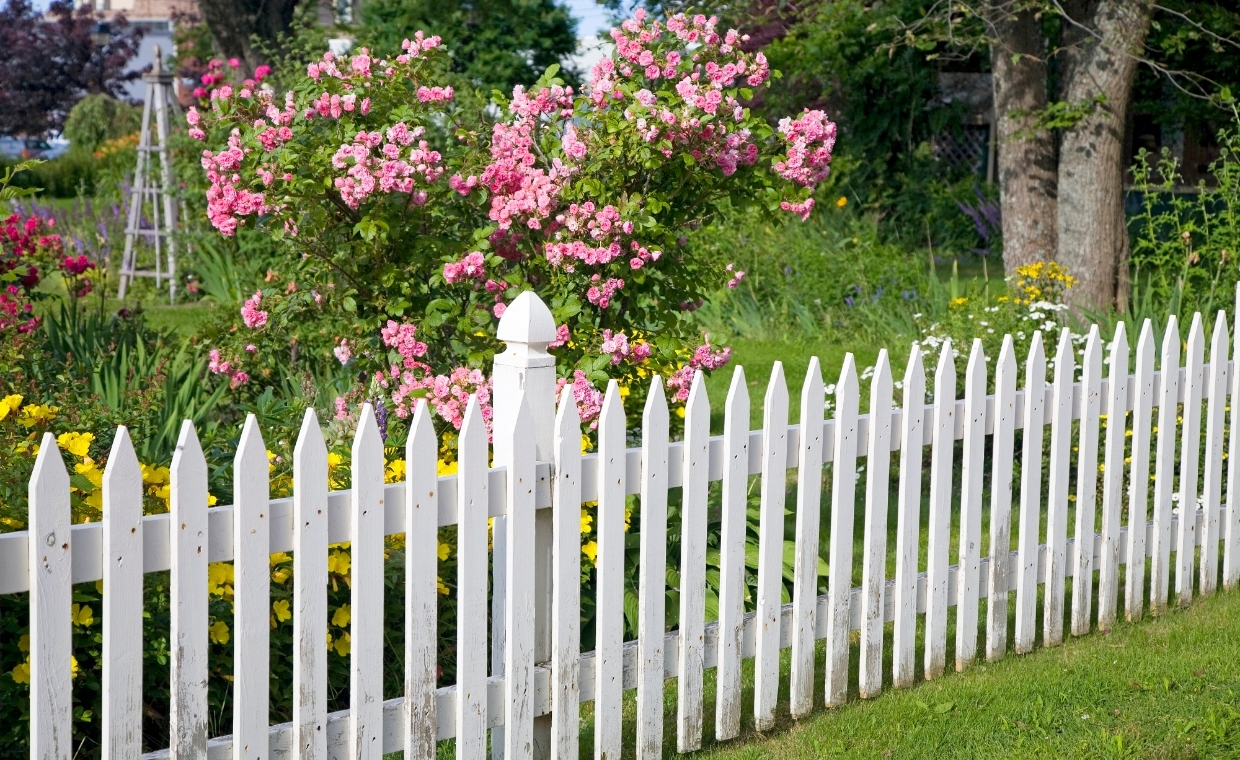
The classic picket fence is recognised by evenly spaced vertical boards topped with pointed or rounded edges. Although traditionally associated with cottages, picket fencing also complements landscaped gardens and modern homes looking for a welcoming appearance.
Rather than acting as a security barrier, it primarily serves a decorative purpose while defining property boundaries.
Best For
- Front gardens
- Cottages
- Villas
- Decorative landscaping
Advantages
- Attractive appearance
- Easy to customise
- Allows airflow and sunlight
- Relatively simple installation
Limitations
- Limited privacy
- Moderate security
- Wooden versions require regular maintenance
If you want to create visual appeal without completely enclosing your property, a picket fence remains one of the most charming options.
10. Split Rail Fence
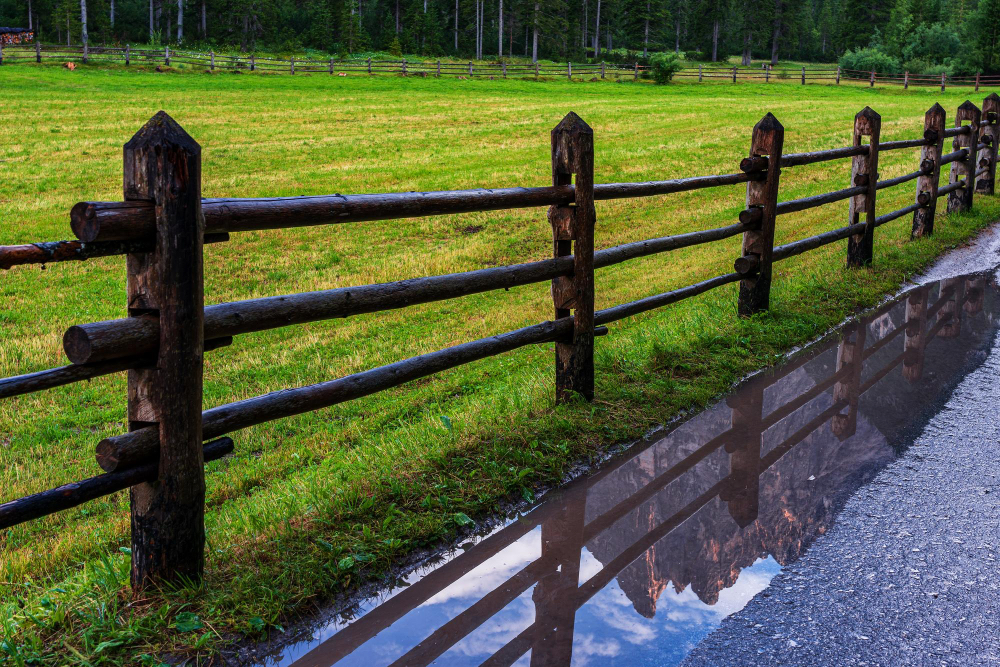
Courtesy - Magnific
A split rail fence consists of horizontal timber rails supported by evenly spaced posts. Originally used for farms and ranches, it continues to be an excellent option for marking large property boundaries without obstructing views.
Although not commonly used in urban India, split rail fencing works well for farmhouses, resorts and countryside landscapes.
Best For
- Farmhouses
- Agricultural land
- Resorts
- Large open properties
Advantages
- Rustic appearance
- Clearly defines boundaries
- Uses fewer materials
- Easy installation
Limitations
- Very little privacy
- Limited security
- Wooden rails require periodic maintenance
If your objective is simply to define land rather than secure it, split rail fencing offers an economical and visually appealing solution.
11. Lattice or Trellis Fence
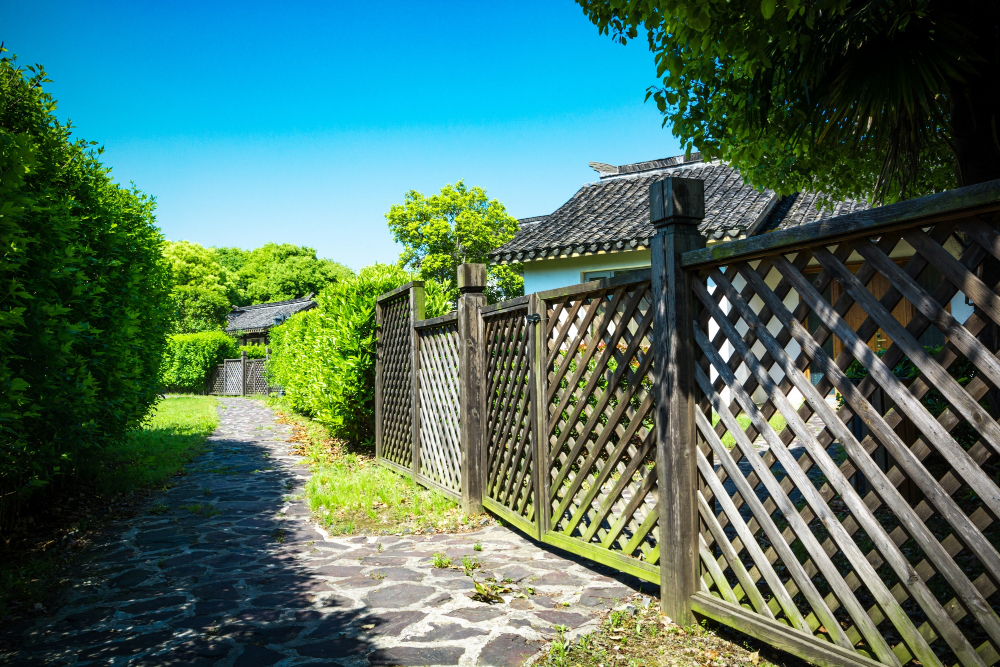
Courtesy - Magnific
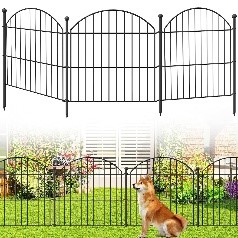
A lattice fence features criss-cross wooden, metal or PVC strips that create a semi-open pattern. It offers partial privacy while allowing sunlight and air circulation, making it particularly suitable for gardens and outdoor living spaces.
Lattice fencing also provides excellent support for flowering vines and climbing plants, transforming an ordinary boundary into a green feature wall.
Best For
- Gardens
- Patios
- Decks
- Balcony screening
Advantages
- Decorative appearance
- Supports climbing plants
- Improves ventilation
- Creates partial privacy
Limitations
- Limited security
- Not suitable for complete boundary protection
- Wooden versions require periodic maintenance
How to Choose the Right Fence for Your Home
There is no single “best” fence for every property. The right choice depends on your priorities, budget and local conditions. Here is a glance
| Privacy | RCC, Vinyl/ PVC, wooden, brick or stone boundary |
| Security | Wrought iron, RCC, Chain-link with masonry plinth, barbed wire fencing |
| Affordability | Chain-link fencing, bamboo fencing, barbed wire fencing, split rail fencing |
| Low Maintenance | Vinyl PVC, Aluminium, precast concrete. |
| Appearance | Wrought iron, wooden and picket |
| Sustainable | Bamboo and Living fence |
If your top priority is fencing for security and privacy together, precast concrete (RCC), wrought iron, and vinyl fencing tend to strike the best balance — combining strong physical barriers with limited visibility from outside.
Consider Your Local Climate
India’s diverse climate also influences fence performance.
- Coastal regions benefit from aluminium or PVC because they resist corrosion.
- Areas with heavy monsoon rainfall require treated timber or moisture-resistant materials.
- Dry regions can comfortably accommodate wooden fencing with periodic maintenance.
- Bamboo fencing performs best when properly treated and protected from prolonged moisture exposure.
Don’t Ignore Local Regulations
Before constructing any boundary fence:
- Verify property boundaries carefully.
- Check municipal development regulations.
- Review housing society guidelines where applicable.
- Confirm any restrictions on fence height or design.
Since regulations vary between cities and states, avoid assuming a universal standard.
Final Thoughts
A fence contributes to security, privacy, landscaping and the overall character of your home. That is why selecting the right type of fence ensures long-term value and functionality.
While attractive designs are important, practical considerations such as maintenance, climate, durability and local regulations should guide your decision. For many Indian homeowners, precast concrete fences, chain-link fencing, and RCC fencing strike the best balance between strength, longevity and cost. Those prioritising aesthetics may prefer wooden, wrought iron or bamboo fences, while low-maintenance homes benefit from vinyl or aluminium fencing.
Before making a final decision, compare your options carefully, evaluate your budget and think beyond the initial installation cost. A well-planned fence will not only protect your property but also enhance its appearance and value for years to come.
Also Read: Also Read: Choosing the Perfect Fence: A Guide for Every Homeowner
Frequently Asked Questions
1. Which fence is best for a residential plot boundary in India?
For most residential plots, precast RCC fencing and chain-link fencing with a masonry plinth offer an excellent balance of durability, security and cost. If complete privacy is required, a compound wall or solid precast concrete fence is a better choice.
2. How long does a chain-link fence last?
A galvanised chain-link fence can typically last 20–30 years with proper installation and periodic maintenance. Its lifespan depends on the quality of the protective coating and local environmental conditions.
3. Is bamboo fencing durable enough for permanent use?
Treated bamboo can provide several years of service, but it generally requires more maintenance than metal or concrete fencing. It is best suited for gardens, patios and decorative landscaping rather than high-security boundaries.
4. Can I install a fence myself or should I hire a contractor?
Simple bamboo, picket or chain-link fences may be suitable for DIY installation if you have the necessary tools and experience. However, wrought iron, RCC and precast concrete fencing require professional installation to ensure proper alignment, structural stability and long-term performance.
5. Is a fence cheaper than a compound wall?
In most cases, yes. Chain-link, bamboo and PVC fencing are generally more economical than constructing a full brick or RCC compound wall. However, the overall cost depends on the material, boundary length, site conditions and installation method.
Also Watch the video for types of fences at a glance.
Courtesy - Featured Image(Canva)
Author & Expert Review
Written By:  Nidhi Patel | Civil Engineer & Content Writer

| Credentials: B.E. (Mahatma Gandhi Institute of Technical Education and Research Centre), Registered with Gujarat Technological University (GTU). Experience: Civil Engineer with 3+ years of content writing experience, currently writing blogs for Gharpedia, part of SDCPL. Expertise: Specializing in SEO-optimized blogs and long-form articles focused on home improvement, construction, interiors and architect topics. I create well-researched, reader-focused content that balances technical accuracy with clarity, making complex subjects easy to understand. Find her on: LinkedIn |
Verified By Expert: Ravin Desai – Co Founder – Gharpedia | Co Founder – 1 MNT | Director – SDCPL

This article has been reviewed for technical accuracy by Ravin Desai, Co-Founder of Gharpedia and Director at Sthapati Designers & Consultants Pvt. Ltd. With a B.Tech. in Civil Engineering from VNIT Nagpur and an M.S. in Civil Engineering from Clemson University, USA, and over a decade of international and Indian experience in the construction and design consultancy sector, he ensures all technical content aligns with industry standards and best practices.
Find him on: LinkedIn